


Balance & Dizziness
This page covers the symptoms that travel with vertigo. To learn what vertigo is, read our page on what vertigo is and what to do about it. To sort dizziness from an eye twitch, read dizziness and eye twitching.
At a glance
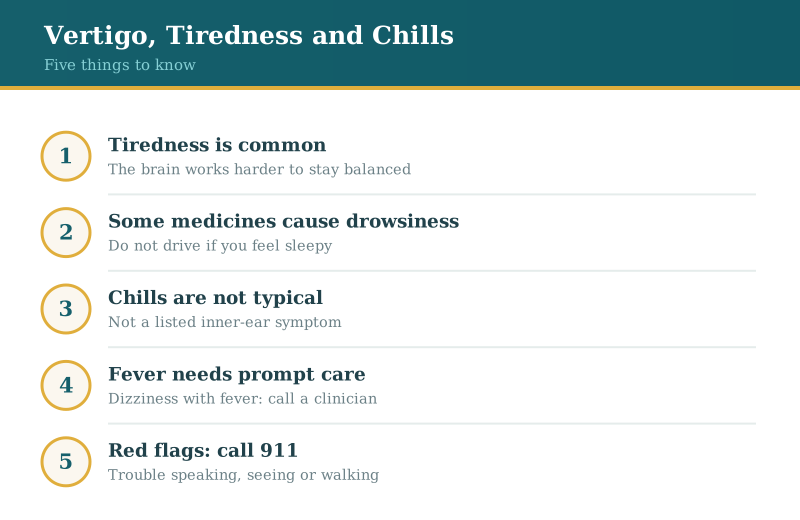
- Tiredness is common with vertigo. The brain works harder to stay balanced, and poor sleep makes it worse.
- Some vertigo medicines cause drowsiness. Do not drive if you feel sleepy, and ask your prescriber.
- Chills are not a listed symptom of the common inner-ear causes. Chills or fever with dizziness need medical advice.
- Call 911 for dizziness with trouble speaking, seeing or walking, weakness, numbness, or a severe headache.
Get help first: signs that need urgent care
The Mayo Clinic says to see a health professional right away if dizziness or vertigo comes with a new, different or severe headache, fever, double vision or trouble seeing clearly, hearing loss, trouble talking, weakness in an arm or leg, passing out, falling or trouble walking, or numbness or tingling. The Centers for Disease Control and Prevention (CDC) lists abrupt dizziness with trouble walking or seeing, numbness or weakness, confusion or trouble speaking, or a severe headache with no known cause as stroke signs, and says to call 9-1-1 right away. Do not drive yourself. If you have any of these, stop reading and call.
Why vertigo can make you tired or sleepy
VeDA explains that the eyes, inner ears and the body's position sense all send information to the brain. In inner-ear disorders such as Meniere's disease, BPPV and vestibular neuritis, the signals are wrong or confusing. In central disorders such as vestibular migraine, the signals are sound but the brain handles them poorly. Either way, VeDA says people use more energy just to judge where they are in space. VeDA also lists repeated stress and poor sleep as contributors to fatigue, and describes brain fog, where ordinary tasks take more effort. The National Institute on Deafness and Other Communication Disorders (NIDCD) says balance problems can lead to fatigue and depression. After a hard spell of vertigo, feeling wiped out is common.
Medicines that cause drowsiness
Some medicines for vertigo make you sleepy. The Mayo Clinic says prescription antihistamines and anticholinergics can give fast relief from vertigo and nausea but often cause drowsiness, and that benzodiazepines used for anxiety-related dizziness can cause drowsiness and be habit forming. Over-the-counter antihistamines like meclizine may help dizziness with an upset stomach, but they can cause drowsiness. MedlinePlus lists drowsiness or fatigue as a common side effect of meclizine, and says to tell your doctor if it is severe or does not go away. If sleepiness began when you started a medicine, tell the prescriber. Do not stop a prescribed medicine on your own, and do not drive if you feel drowsy.
Sleep, vertigo and migraine
Poor sleep can set off dizziness as well as follow it. Cleveland Clinic lists fatigue and stress as triggers for vestibular migraine, and lack of sleep among the triggers for episodes of vestibular disorders. It says vestibular migraine episodes can last from five minutes up to 72 hours. Keeping a regular sleep and wake time is one of the steps VeDA suggests for fatigue, along with morning sunlight and dimmer lights and fewer screens in the hour or two before bed.
Can vertigo cause chills?
In the sources we read, chills are not named as a symptom of BPPV, vestibular neuritis, labyrinthitis or vestibular migraine. Cleveland Clinic lists nausea, vomiting, balance trouble and eye movements for these conditions. So if you have chills with vertigo, think about what else is going on. Cleveland Clinic says viral infections, including colds, flu and COVID-19, may trigger vestibular neuritis, and says labyrinthitis is mostly caused by viral infections. An infection can bring fever and chills on its own. NIDCD also lists changes in heart rate and blood pressure, and fear, anxiety or panic, among the symptoms that can come with dizziness. We did not find a source that ties chills to any of these, so we cannot say why chills happen in your case. Because the Mayo Clinic names fever as a reason to be seen right away, call your provider the same day if you have chills or a fever with vertigo.
Other symptoms that can come with vertigo
NIDCD lists nausea, vomiting, diarrhea, changes in heart rate or blood pressure, blurred vision, confusion, and fear, anxiety or panic. VeDA adds that nausea and ringing in the ears (tinnitus) can occur as secondary symptoms, and that people with vestibular conditions often have anxiety or depression. If you have ringing or fullness in one ear with the dizziness, or any drop in hearing, get a hearing evaluation. Our page on balance and hearing health explains why hearing and balance changes travel together.
What helps while you wait to be seen
The Mayo Clinic suggests that at the first sign of dizziness you sit or lie down, and lie still in a dark room during a severe spell. It suggests limiting caffeine, alcohol, salt and tobacco, staying hydrated, sleeping well and managing stress. VeDA suggests keeping a diary for a few weeks to spot energy patterns and triggers, pacing activities, and building rest time between demanding tasks. Do not drive when you feel dizzy without warning. The Mayo Clinic advises against it.
When to book a visit
Book a visit if vertigo keeps coming back, lasts a long time, or leaves you too tired to do your normal day. Book one if you have new ringing, fullness or hearing change. Our hearing evaluation can show whether the ear is involved, and our page on audiologists and balance problems explains what to expect. If your dizziness keeps happening with eye movements you cannot control, see dizziness and eye twitching.
Sources and last update
Last updated October 7, 2026. This page has not been reviewed by a clinician yet. Sources: Mayo Clinic: Vertigo, Mayo Clinic: Dizziness treatment, NIDCD: Balance Disorders, VeDA: 8 Steps to Managing Fatigue, VeDA: Vestibular Symptoms, Cleveland Clinic: Vestibular Neuritis, Cleveland Clinic: Labyrinthitis, Cleveland Clinic: Vestibular Disorders, Cleveland Clinic: Vestibular Migraine, MedlinePlus: Meclizine and CDC: Signs and Symptoms of Stroke.
Medical information notice
This page is for general information and is not medical advice. To book a hearing evaluation, call 650-342-9449 at our San Mateo office, 88 N. San Mateo Drive, or our San Carlos office, 1008 Laurel Street.
Frequently asked questions
Questions patients ask us
Does vertigo make you sleepy?
It can make you tired. VeDA says the brain uses more energy to judge position when balance signals are wrong. Medicines for vertigo, such as meclizine, can also cause drowsiness.
Can vertigo cause chills?
Chills are not listed as a symptom of the common inner-ear causes in the sources we read. They can come from an illness such as a viral infection, or from panic or anxiety. The Mayo Clinic says fever with dizziness needs a health professional right away.
Why am I so tired after a vertigo attack?
VeDA describes fatigue as common with vestibular disorders, because the brain works harder to keep you balanced, and stress and poor sleep add to it.
Is it safe to drive if my vertigo medicine makes me drowsy?
No. MedlinePlus lists drowsiness as a common side effect of meclizine, and the Mayo Clinic says such medicines often cause drowsiness. Do not drive if you feel drowsy, and ask your prescriber.
When is vertigo with tiredness an emergency?
Call 911 if it comes with trouble speaking, seeing or walking, weakness or numbness, or a severe headache with no known cause. See a health professional right away for fever, hearing loss, or passing out.