


Insurance & Payment
The reason is more about history than logic. Hearing aids were long treated as an optional, out-of-pocket item in the way policies were written, so coverage grew up unevenly instead of following one clear standard. What a friend's plan includes can bear little resemblance to yours, even when the two look similar on paper. Our insurance overview lays out the situations we see most.
Coverage gaps rarely have to be the end of it. Between benefits you might not realize you have, tax-advantaged accounts, and payment plans, most people find a route they can manage, and it starts with knowing what your particular policy actually promises.
At a glance
- Hearing aid coverage is set plan by plan, so what one person's insurance includes may look nothing like yours.
- Original Medicare generally does not cover hearing aids, though some Medicare Advantage plans add a benefit.
- HSA and FSA funds, financing, and payment plans give you workable options even when a plan pays little or nothing.
Why the rules are such a patchwork
Hearing aids sit in an odd spot in American health coverage. For decades they were filed under elective or routine care, the same bucket as reading glasses, rather than treated as core medical equipment. That framing stuck, and it still shapes how policies read today. Because there is no single national standard, each payer sets its own terms: some private plans fold in a modest device allowance, others skip hearing entirely, and a handful of states require certain plans to include a benefit while most do not. The upshot is that two people with similar-looking coverage can get completely different answers at the counter.
Where Medicare and Medicaid land
This is where a lot of the confusion starts. Original Medicare (Parts A and B) generally does not pay for hearing aids or the fitting exams that go with them, which catches many people off guard the year they enroll. A good number of Medicare Advantage (Part C) plans do add a hearing benefit, though the amount and the conditions vary from plan to plan and year to year. Medicaid coverage depends on your state and tends to be broader for children than for adults. If you are comparing plans, the hearing benefit is worth reading closely, especially for older adults who rely on their devices every day.
A benefit versus paying out of pocket
When there is some coverage, it usually arrives as a fixed allowance toward the devices, and it may come with strings: a short list of approved models, a designated clinic, or a wait before you qualify again. Paying out of pocket flips those trade-offs. You cover the full cost, but you keep full say over which technology fits your life and when you upgrade, and you are not boxed into a narrow catalog. Neither path wins automatically. A generous benefit can save real money, while open-market shopping can mean a better match across hearing aid brands and a fitting built around your ears rather than your plan's fine print. Price both before you decide.
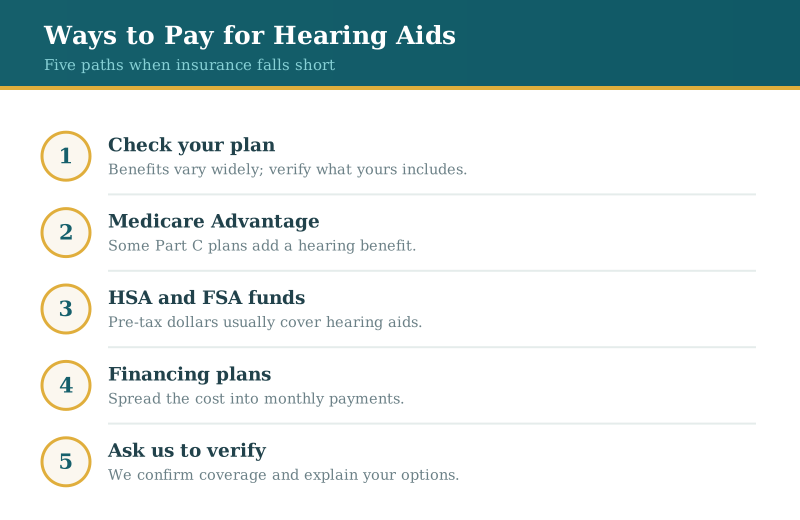
Putting HSA and FSA dollars to work
One option people overlook is money they have already set aside. Hearing aids, batteries, repairs, and related care are generally qualified expenses for a Health Savings Account or Flexible Spending Account, so you can pay with pre-tax dollars even when insurance offers nothing. FSA funds often run on a use-it-or-lose-it calendar, so timing a purchase before your plan year closes can help you get more from them. If you are unsure what qualifies, your plan administrator can confirm, and we are glad to provide whatever documentation you need.
Getting a straight answer, and a plan
The honest truth is that no one can tell you what you will owe until someone checks your specific policy, so that is where we begin. Our team verifies your benefits before you commit to anything, spells out any allowance you have, and explains the out-of-pocket picture in plain numbers. When a gap remains, financing and monthly payment plans can turn a large one-time cost into something steady and manageable. A hearing test at our San Mateo or San Carlos offices is an easy first step, and you are welcome to contact California Hearing Center with coverage questions before you ever book.
Frequently asked questions
Your questions, answered
Does Medicare cover hearing aids?
Original Medicare usually does not, and that catches many new enrollees off guard. It leaves out both the devices and the fitting exams tied to them. Some Medicare Advantage plans do include a hearing benefit, so if you are enrolled in one, it is worth checking the details for the current year.
Can I use my HSA or FSA for hearing aids?
In most cases you can. Hearing aids and related supplies are generally treated as qualified medical expenses, which lets you pay with pre-tax dollars. Because account rules differ, a quick confirmation with your plan administrator settles any doubt before you buy.
Do any private insurance plans cover hearing aids?
Some do, often as a set dollar allowance rather than full coverage, and a few states require certain plans to include a benefit. The only reliable way to know is to read your policy or let us verify it for you, since two similar plans can still differ.
What are my options if nothing is covered?
You still have several. Many people combine HSA or FSA dollars with a financing plan to spread payments over time, and treatment stays well worth pursuing either way. Start with a hearing aid fitting conversation so you know exactly what you need before comparing costs.