


Tinnitus Research
Below, we explain the research in plain language: what the team did, what it found, and what it does not show. This page is accurate as of October 12, 2026.
At a glance
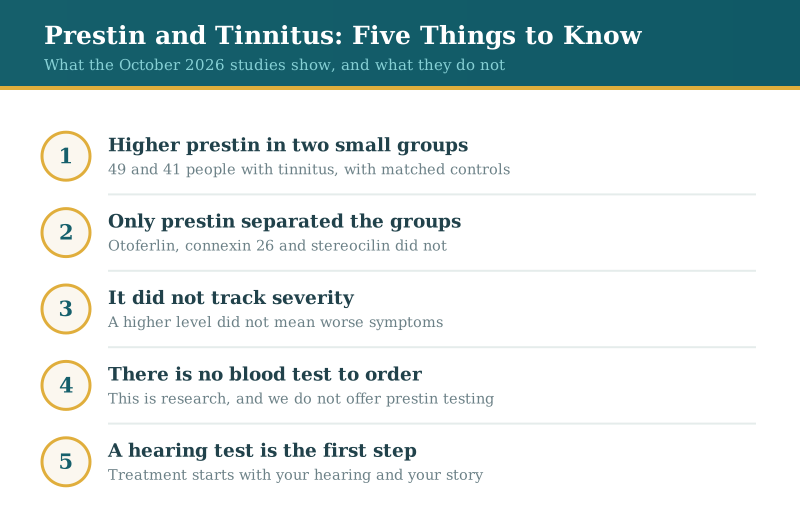
- A research group at UConn Health measured prestin, a protein from the inner ear, in blood samples. People with chronic tinnitus had more of it, on average.
- This is not a test you can get. No tinnitus blood test is available, and California Hearing Center does not offer prestin testing.
- The samples were small. The protein level did not rise and fall with how loud or how upsetting the tinnitus was.
- You can act on tinnitus today. It starts with a hearing test.
The news in plain words
In early October 2026, news outlets reported two studies from Dr. Kourosh Parham's lab at UConn Health. The lab looked for inner-ear proteins in blood. In both studies, people with ringing in the ears carried more prestin than people without it. About 11% of Americans live with tinnitus, according to UConn. A pooled analysis in JAMA Neurology (2022) put adult prevalence higher, at 14.4%, with 2.3% having severe tinnitus. Numbers differ by how researchers ask the question. Either way, tens of millions of people are affected, and doctors have no objective way to confirm what they hear.
What is prestin?
Your cochlea holds about 12,000 outer hair cells. They act like tiny amplifiers. When sound arrives, they change length and push the vibration along. Prestin is the protein that makes that movement possible. When researchers say prestin may be a "biomarker," they mean it could signal that those cells are under stress.
The two studies
| Study 1 | Study 2 | |
|---|---|---|
| Journal | Otology & Neurotology | Otolaryngology–Head and Neck Surgery |
| Who | 49 adults with chronic tinnitus, 40 controls | 41 adults with bilateral tinnitus, 41 controls |
| Method | Western blot; a 97 kDa form of prestin stood out | Compared four proteins: prestin, otoferlin, connexin 26, stereocilin |
| Result | Higher prestin in the tinnitus group | Only prestin differed; about 330 pg/mL higher |
| Adjustments | Not applicable | Age, hearing thresholds and noise exposure (a week of dosimeter wear) |
What we cannot conclude yet
We want to be careful here, because headlines can run ahead of the data. Small groups. Dozens of people, not thousands. Mostly mild tinnitus. We do not know what happens in severe cases. No link to severity. A higher level did not mean worse symptoms. (UConn's release suggests prestin may help gauge severity. The reported data did not show that link, and we follow the data.). Prestin lives elsewhere too. The heart is one example. So the source of the blood prestin is not proven. It does not settle where tinnitus begins. Brain pathways may play a role as well as the ear. Not yet a diagnostic. The test, as studied, did not reach the accuracy a doctor would need. A patent exists. Dr. Parham holds a patent on the blood test. That does not make the work wrong. It is a fact readers should have. Other teams must repeat the work before it moves toward clinics.
What this means for you
Waiting for a blood test is not a plan. If you hear ringing, buzzing or hissing that bothers you, a hearing test is the useful first step. Most people with tinnitus also have some change in hearing, even if they have not noticed it. Finding that change opens the door to treatment, including hearing aids with built-in sound features. Read more on our tinnitus hub, our page on sound therapy, and our guide to what causes tinnitus. Seek prompt medical care if your tinnitus began suddenly, affects only one ear, beats with your pulse, or comes with dizziness or sudden hearing loss. See when to see a doctor. A related story this week: a new trial on sound therapy for tinnitus with mild hearing loss. Request a hearing test at our San Mateo or San Carlos office.
Status and last update
Last updated October 12, 2026. What changed: this is the first version. We will update this page if the final paper, replication studies or clinical guidance change the picture. Sources: UConn Today: UConn study strongly links blood prestin with tinnitus, MedicalXpress, Oct 6, 2026, New Atlas, JAMA Neurology 2022: global prevalence and incidence of tinnitus (doi:10.1001/jamaneurol.2022.0427).
Medical information notice
This page gives general information about published research. It does not replace advice from your physician or audiologist. Want to know where your hearing stands? A full hearing evaluation usually takes about an hour. Call 650-342-9449 to book at our San Mateo office, 88 N. San Mateo Drive, or our San Carlos office, 1008 Laurel Street.
Get one email if larger studies appear.
We will write once if larger studies appear or a validated tinnitus test becomes available. We will send nothing else.
Frequently asked questions
A few questions worth asking
Can I get a blood test for tinnitus now?
No. Prestin is under study. No tinnitus blood test is available to patients, and our office does not run prestin tests.
Does this mean my tinnitus comes from my ear?
It might fit with an ear contribution, but the studies do not prove it. Prestin also exists in other organs, and tinnitus often involves the brain.
Is tinnitus curable?
For most people with chronic tinnitus, no cure exists yet. Hearing care, sound-based tools and counseling help many people notice it less and worry about it less.
Why did the study adjust for noise exposure?
Loud noise can harm outer hair cells. The team wanted to know if prestin differed because of tinnitus itself, not just past noise. The difference held after adjustment.
Will insurance cover this kind of test later?
We cannot say. Coverage depends on future approval and on each plan. If you want help with coverage questions for hearing care today, ask our front desk.
What should I do if my tinnitus is new?
Book a hearing test soon. If it started suddenly or in one ear only, ask for a medical check as well.