


Hearing Insurance
CMS published its 2027 projections on September 28, 2026. The agency expects the average Medicare Advantage premium to slip from $14.37 to $12.00 a month. On extras it says that supplemental benefit offerings, including hearing, dental and vision, are expected to remain stable. These figures are averages across the country. Your own plan may set a different hearing allowance, a different network and different copays, and its paperwork is the only place to find out.
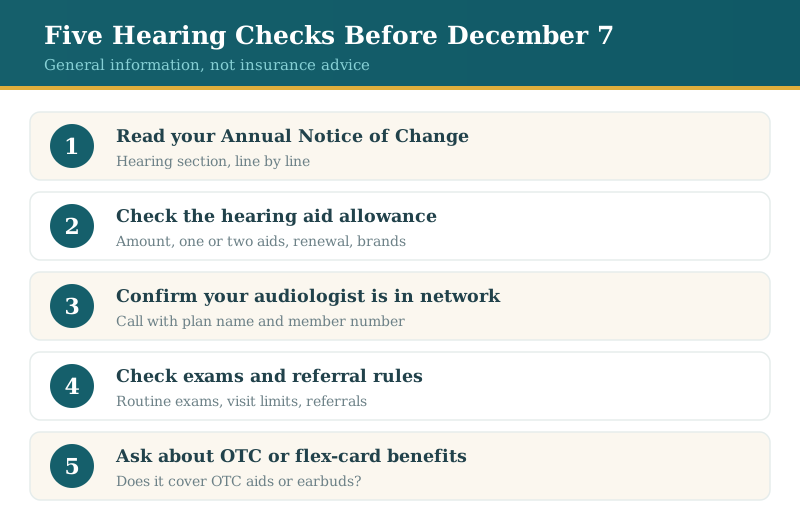
Below are five checks to finish before December 7, from a hearing practice in San Mateo and San Carlos that works with these benefits. Treat it as general information rather than insurance advice. We cannot say what your plan covers, but we can help you read it and we will confirm whether we are in your network.
At a glance
- Annual Enrollment: October 15 to December 7, 2026. New choices begin January 1, 2027.
- CMS says Medicare Advantage supplemental benefits, hearing included, are expected to remain stable for 2027. Plans differ by county, so check yours.
- Original Medicare does not cover hearing aids. Part B can cover a diagnostic hearing test when a physician orders it. Medicare Advantage plans frequently pay for some hearing care, on terms that vary.
- Also on Medi-Cal? Put your questions to both programs. We list some to start with.
The dates that matter
From October 15 to December 7, 2026 you can swap one Medicare Advantage plan for another, move between Original Medicare and Medicare Advantage, and add or change Part D drug coverage. Anything you pick starts January 1, 2027. A later window, the Medicare Advantage Open Enrollment Period, runs January 1 to March 31, 2027. Only people already in a Medicare Advantage plan may use it, and it permits a single change. Think of it as a safety net, not a second chance to plan.
What CMS expects for 2027
In its own press release of September 28, 2026, CMS said the weighted average Medicare Advantage premium should fall from $14.37 to $12.00 a month in 2027. It added that roughly eight in ten Medicare Advantage members can stay in their current plan at the same or a lower premium. On benefits it wrote: "Supplemental benefit offerings, including hearing, dental, and vision benefits, are expected to remain stable." The release gives no further detail on hearing. All of this is national. A plan can still alter its network, its allowances or its copays, and some plans exit particular counties each year. What applies to you is written in your own plan documents.
Check 1: Read your Annual Notice of Change
Every fall, usually by the end of September, your plan mails an Annual Notice of Change. It spells out what shifts next year in premiums, copays, networks and extra benefits. Turn to the hearing pages and read them slowly. Watch for any edit to the hearing aid allowance, the count of hearing exams or the brands on the covered list. Missing notice? The number on your plan card will get you a copy.
Check 2: The hearing aid allowance
Put four questions to your plan. What is the dollar amount? Is it for one hearing aid or a pair? How often does it reset? Which brands and models qualify? Because some plans hand hearing benefits to an outside benefit manager, find out who administers yours. A generous allowance limited to a few devices may serve you worse than a modest one that works with the hearing aids suited to your loss.
Check 3: Is your audiologist in network?
What you owe depends on network status. A practice that accepts your plan for one service may still be out of network for hearing aids, so do not assume. Phone us with your plan name and member number. We will answer plainly, and if we are outside the network we will walk you through what you can do.
Check 4: Exam coverage and referral rules
Routine hearing exams fall outside Original Medicare. A diagnostic hearing or balance exam is generally covered if a doctor orders it in order to plan treatment, though a share of the bill is usually yours. Medicare Advantage plans often add routine exams. Some want a referral from your primary care doctor, and some cap visits. Ask your plan about both, and how many exams a year it pays for. Our page on how Medicare and other plans treat hearing tests explains the difference.
Check 5: OTC and flex-card benefits
Some Medicare Advantage plans give you a spending card or an OTC benefit. Ask whether it can be used for OTC hearing aids or hearing accessories, and whether it would cover earbuds such as the feature in our guide to Samsung Galaxy Buds as hearing aids. Plans vary a great deal on this point. Ask for the answer in writing where possible.
Original Medicare and Medicare Advantage for hearing
The table below sets the two side by side. The one exception to remember is cochlear implants. Medicare can cover them when its criteria are met, which is very different from hearing aids. See our cochlear implants page.
| Original Medicare (Parts A and B) | Medicare Advantage | |
|---|---|---|
| Hearing aids | Not covered | Many plans include some coverage, with amounts and rules set by the plan |
| Fittings | Not covered | Depends on the plan |
| Routine hearing exams | Not covered | Often included, though some plans want a referral or cap visits |
| Diagnostic hearing or balance exam | Covered in general if a doctor orders it to plan treatment, with a share of the cost on you | Ask your plan how it applies |
| Cochlear implants | Can be covered once Medicare's criteria are met | Ask your plan how it applies |
| OTC or flex-card benefit | Not covered | Some plans offer one. Rules differ widely |
| Who sets the rules | Medicare | Your plan: allowance, brands, network and copays |
If you have both Medicare and Medi-Cal
In California some people have Medicare and Medi-Cal at the same time. We cannot tell you how your two coverages fit together, and we are not giving plan specifics here. These are questions worth putting to your plan and to Medi-Cal. Does Medi-Cal cover anything for hearing aids or hearing exams that my Medicare Advantage plan does not? Which one is billed first? Does my audiologist need to be in network for both? Is there a benefits coordinator I can talk to? Our guide to Medicare, Medi-Cal and private plans covers the basics. One fact we can verify comes from the California Department of Health Care Services. Its Hearing Benefits Provider Fact Sheet, dated July 1, 2024, lists hearing aids, repairs and replacement parts as Medi-Cal benefits reached through your Medi-Cal managed care plan. It says hearing aids need prior authorization and a prescription from an otolaryngologist or the attending physician, and that hearing aid batteries are not covered. That sheet is two years old and may have changed, so confirm with your plan before you rely on it.
Why timing before year-end can matter
January 1 is a reset date for many plans. An allowance or exam count that renews yearly usually does not roll over, so anything unused from 2026 generally disappears. Been postponing a hearing test? Use this year's benefit first, then look at what 2027 brings. Changing plans? Ask whether the new one will cover service and repairs for the hearing aids you already wear. A hearing evaluation is an easy first step.
Status and last update
Last updated October 16, 2026. What changed: we added CMS's own press release as a source and quoted its wording on hearing benefits, restated the Original Medicare rules, and added the Medi-Cal fact sheet details we could verify. We will revise this page when CMS publishes final landscape data or plan documents change. Sources: CMS press release, September 28, 2026: Medicare Advantage and Medicare prescription drug programs expected to remain stable in 2027, DHCS Hearing Benefits Provider Fact Sheet, July 2024, American Hospital Association summary of CMS's September 28 release and Becker's Payer. For details on your own plan, turn to your Annual Notice of Change, your plan's member services and Medicare.gov.
Insurance and medical notice
We wrote this to inform, and it should not be taken as insurance, legal or medical advice. Benefits, allowances and networks change from plan to plan and county to county. Confirm the details with your plan or Medicare.gov before you decide.
Frequently asked questions
What patients often want to know
What if I have both Medicare and Medi-Cal?
Ask both programs what each one covers for hearing, and which one pays first. Also ask whether your audiologist needs to be in network for both. We cannot answer these for your plan, but we can help you prepare the questions.
Will my audiologist still see me if I change plans?
Only if the new plan lists that audiologist in its network. Before you enroll, give us the plan name and your member number, and we will confirm where we stand.
Will my unused 2026 hearing benefits carry over?
Generally not. Many plans reset benefits on January 1, so use a hearing allowance or exam benefit this year if you plan to. Check your plan's documents to be sure.
Does Medicare pay for a cochlear implant?
Yes, Medicare can pay for them once its criteria are met, which sets implants apart from hearing aids. Your share depends on your coverage, so request a benefits check.
Can I use a flex card or OTC benefit for hearing products?
Some Medicare Advantage plans offer one, but the rules differ widely. Ask your plan whether it covers OTC hearing aids or accessories, and try to get the answer in writing.
What should I have ready when I call about my benefits?
Have your plan name, your member number, and your Annual Notice of Change. Write down who you spoke with and what they said. Bring the notes to your appointment.