


Insurance & Coverage
The first thing to untangle is a common mix-up: Social Security and Medicare are not the same program. Social Security sends monthly income; it does not buy medical equipment or hearing aids. Medicare is the health coverage side, and whether it helps depends heavily on which type of Medicare you carry.
Coverage also shifts with Medicaid, veterans' benefits, and private plans, and the rules change by state and by your own eligibility. Getting clear on your insurance situation early saves a lot of guesswork once you are ready to move forward.
At a glance
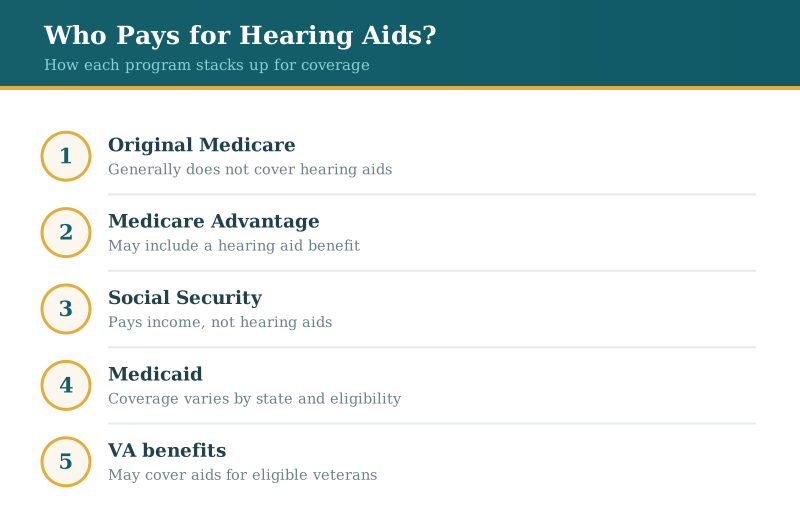
- Original Medicare (Parts A and B) generally does not cover hearing aids or the routine exam to fit them.
- Some Medicare Advantage (Part C) plans include a hearing aid benefit, but amounts and rules vary by plan.
- Social Security provides income, not hearing aid coverage — the two programs are often confused.
- Medicaid and VA benefits may help, depending on your state and your eligibility.
Start with Original Medicare
Original Medicare, meaning Part A (hospital) and Part B (medical), generally does not pay for hearing aids, and it does not cover the routine exam needed to fit them. It will cover a diagnostic hearing test when your doctor orders one to investigate a medical problem, but that is a different thing from a fitting evaluation. If Original Medicare is your only coverage, plan on the device cost falling to you or to another program. Knowing that up front keeps the price from catching you off guard.
Check whether you have Medicare Advantage
Medicare Advantage plans, also called Part C, are offered by private insurers and often bundle in extras that Original Medicare leaves out. A hearing aid benefit is one of the more common additions. The catch is that the dollar amount, the brands allowed, and the provider network differ from plan to plan, and a benefit can change from one year to the next. Pull out your plan documents or call the number on your card and ask specifically what it pays toward hearing aids and fittings. We are glad to help you read the fine print during a visit.
Sort out Social Security from Medicare
This is where the confusion usually lives. Social Security is the program that sends a monthly check, and it has no hearing aid benefit because it is income rather than health insurance. Medicare is the health coverage that many people enroll in around the same time they claim Social Security, which is why the two get blurred together. If someone tells you Social Security will pay for hearing aids, that is a sign the wires have crossed. Look to your Medicare or private coverage for any device help.
Look into Medicaid if you qualify
Medicaid can be a genuine source of help, but coverage for hearing aids varies widely from state to state. Some states include hearing aids for adults, some limit the benefit to children, and some cover little for adults at all. Eligibility depends on income and other factors that your state agency determines. If you have Medicaid or think you might qualify, confirm your state's specific hearing aid rules before you assume anything either way.
Ask about veterans' benefits
If you served in the military, the VA is one of the more dependable routes to hearing care. Veterans enrolled in VA health care may be eligible for hearing evaluations and hearing aids, often at little or no cost, when they meet the program's criteria. That process runs through the VA rather than Medicare, so it follows its own eligibility and referral steps. Anyone with a service history should look into it before ruling out coverage.
Do a few checks before you buy
Before you commit to a purchase, a little homework pays off. Call your plan and get the hearing aid benefit in writing, ask what a fitting and follow-up care are worth under your coverage, and weigh that against the full cost of the devices you are considering. It also helps to schedule a hearing test so you know what level of technology your loss actually calls for, rather than paying for more than you need. For older adults on fixed incomes, those steps often make the difference between a comfortable decision and a stressful one. You can start at our San Mateo or San Carlos office.
Frequently asked questions
Questions patients ask us
Does Medicare pay for hearing aids?
Original Medicare (Parts A and B) generally does not cover hearing aids or the exam to fit them. A Medicare Advantage plan may include a hearing benefit, so the answer really comes down to which type of Medicare you carry. Checking your specific plan is the only way to know for sure.
Will Social Security cover the cost?
Social Security pays monthly income; it is not health insurance, so it does not buy hearing aids. People often mix it up with Medicare because they sign up around the same age. For any device coverage, look to your health plan instead.
What if I have no coverage for hearing aids?
Plenty of people end up paying out of pocket, and there are still ways to manage it. Some manufacturers and clinics offer financing, VA and Medicaid may apply depending on your situation, and choosing the right technology level keeps you from overspending. Reach out through our contact page and we can walk through your options together.