


Hearing Aid Care
There is a narrow exception worth knowing about, because a few specialized devices are designed to stay in around the clock. But those are the outliers, and they are fitted and managed differently. If you wear standard behind-the-ear or in-the-ear aids, the nightly routine below is the one that keeps them working.
And if overnight wear or trapped moisture has already left a device muffled or crackly, our team handles hearing aid repair at our San Mateo and San Carlos offices, and can set you up with a drying kit so it does not happen again.
At a glance
- For standard hearing aids, take them out at night so they can dry and your ears can rest.
- Nighttime is your chance to clear out the sweat and humidity that build up during the day.
- A small category of extended-wear devices is made to stay in continuously and is managed by your clinician.
- Persistent muffled or crackly sound after drying is a sign the device should be checked.
Before you fall asleep in them, know why bedtime matters
Sleeping in your aids does not fry them on the spot, so the case against it is quieter than that. Full-time wear means all your waking hours, and the night is where that stops. Pressed between your head and a pillow all night, an in-ear device can feel sore by morning and shift out of position. The microphones can pick up rustling fabric and feed back a whistle that wakes you. And the ear canal, sealed under a dome for sixteen hours already, does better with a stretch of open air. Taking the aids out is less about avoiding disaster than about not wearing down the fit, the device, and your comfort a little each night.
Use the night to dry out the day's moisture
The single best reason to remove your aids is what happens while they sit out of your ear. Sweat, humidity, and the warmth of your ear canal leave moisture inside the shell every day, and that dampness is what corrodes tiny electronics over months. A few hours in a drying kit or dehumidifier pulls it back out while you sleep. Skip that, wear them through the night, and the moisture simply keeps sitting there. If you have watched a device grow faint or scratchy over time, this quiet buildup is usually why.
Give your ears and your batteries a real break
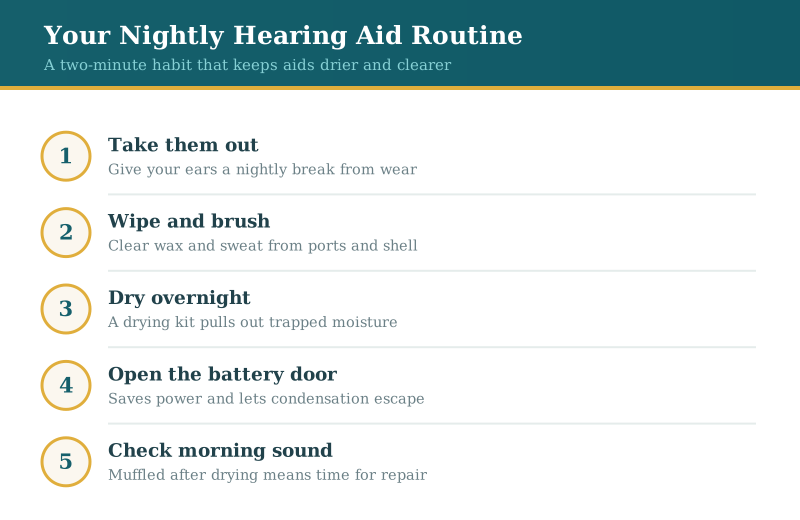
Open the battery door overnight if your aids use disposable cells; it cuts the drain and lets any condensation escape. Rechargeable models want the opposite: drop them in the charger, which powers them down and tops them up at once. Either way, your ear gets the same gift, a chance to breathe. Continuous wear can leave the canal warm and occluded, and for some people that invites itchiness or a touch of irritation. A nightly pause keeps the skin healthier and makes the aids more comfortable to put back in come morning.
Know the exception: extended-wear devices
A small class of hearing aids is built to be worn continuously, placed deep in the canal by a clinician and left in for weeks or months at a time, including through sleep. If you wear one of these, the rules here do not apply to you; your provider manages the schedule and the swaps. The point is that continuous wear is a deliberate design choice for specific devices, not something to improvise with standard aids. If round-the-clock hearing appeals to you, that is a conversation to have during a hearing aid fitting, where we can weigh whether it suits your ears and your routine.
Build a two-minute bedtime routine
Consistency beats effort here. Wipe each device with a dry cloth or tissue to clear wax and sweat, brush the microphone and receiver ports gently, then set the aids in their drying kit or charger, batteries out if they are disposable. Keep the whole kit on your nightstand so it takes no thought. This is also the moment to notice a stubborn wax clog; if sound seems blocked more mornings than not, our earwax removal can clear what a brush cannot. When you compare hearing aids by brand, care habits like these matter as much as the features on the box.
When the morning sound tells you something is wrong
If a device stays muffled, crackly, or dead after a full drying cycle, do not keep pushing through it. That usually points to moisture that has already reached the electronics, a worn receiver, or a wax problem a home brush will not solve. Caught early, most of these are a straightforward fix rather than a replacement. Our team provides hearing aid repair and will tell you honestly whether a device is worth restoring or nearing the end of its life. If it is time for something new, we can talk through options during a routine visit.
Frequently asked questions
A few questions worth asking
Will one night of sleeping in my hearing aids ruin them?
One night will not destroy a device. What it does is skip the drying your aids count on and leave your ear canal sealed longer than it likes. Do it now and then and you are fine; make it a habit and the trapped moisture starts to shorten the device's life.
Are there hearing aids you can wear while sleeping?
Yes, a small category of extended-wear devices is designed for exactly that, sitting deep in the canal for weeks at a stretch and staying in through sleep. They are placed and managed by a clinician rather than removed each night. Ask us whether that style fits your hearing and your daily life.
What is the right way to store my hearing aids overnight?
Wipe them clean, then set them in a drying kit or dehumidifier to draw out the day's moisture. If they use disposable batteries, open the battery door to save power and let condensation escape; rechargeable models go straight into the charger. A spot on the nightstand keeps the habit easy to remember.