


Tinnitus & Sleep
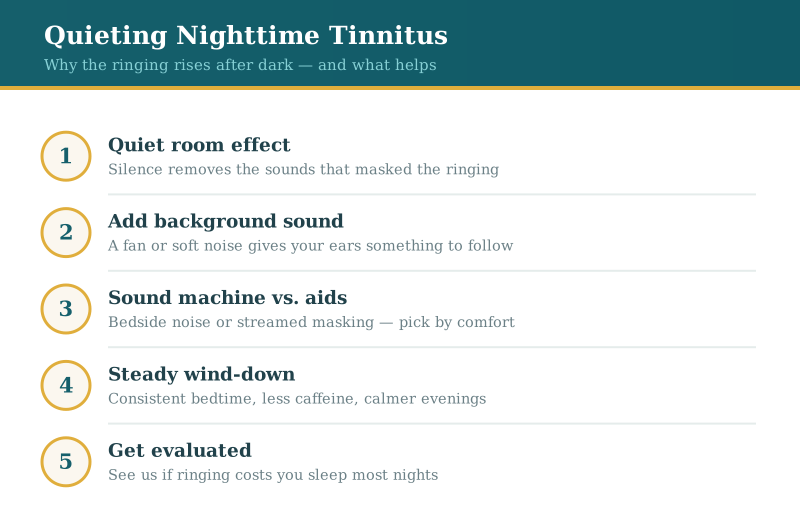
The tone itself has not grown louder. What changed is the room around it. During the day, traffic, voices, appliances, and the hum of your hearing aids all give your ears something else to land on. At night that cover falls away, and with fewer competing sounds the brain has an easier time picking out the ringing. Tinnitus is often most noticeable in quiet surroundings, which is exactly what a dark, silent bedroom provides, and ASHA's primer on tinnitus makes the same point.
Knowing why it happens does not silence the sound, but it points toward what helps. Most of the relief people find at night comes from deliberately replacing that missing background sound, an approach sound therapy is built around.
At a glance
- Tinnitus often sounds louder at night because the quiet room removes the everyday noise that was masking it.
- Gentle background sound at bedtime — from a sound machine or streamed masking — gives the brain something else to follow.
- Ringing that keeps you awake night after night is worth having evaluated, and sound therapy can help.
When the hearing aids come out
For many people who wear hearing aids, the devices double as an all-day tinnitus buffer. They lift the soft, real-world sounds that would otherwise go unheard, and that fuller soundscape keeps the ringing from taking center stage. When you set the aids on the nightstand, you remove that buffer at the very moment the rest of the house is winding down too. The result is a bedroom quieter than anywhere you have been all day, with nothing left to compete with the tone. It is not a sign that your tinnitus is worsening. It is the predictable effect of a very quiet space.
Silence has nothing to cover the sound
Tinnitus is generated inside the auditory system rather than out in the world, so it does not fade just because a room is calm. In a noisy setting your brain has plenty of external signals to attend to, and the internal sound slips down the priority list. Strip those signals away and it moves back up. This is why a fan, soft rain, or gentle music can bring noticeable relief: they hand your attention something real to follow. If you are still sorting out what the sound even is, our overview of what tinnitus is is a good place to start.
A bedside sound machine or hearing aids that stream
There are two common ways to put sound back into a quiet bedroom, and they suit different people. A dedicated bedside sound machine, or a pillow speaker, plays steady noise or nature sounds without anything in your ears, which matters since most people take their hearing aids out to sleep. It is simple, inexpensive, and easy for a partner to share or tune out. The other route uses hearing aids or earbuds that stream masking sound directly, sometimes with tinnitus programs built in; this gives you precise, personal control but means wearing devices in bed, which not everyone finds comfortable. Many people land on a bedside source for overnight relief and reserve their hearing aids and any streamed sound therapy for daytime and naps. Neither choice is more correct; it comes down to comfort and how deeply the sound needs to reach.
A wind-down routine that lowers the volume
Sound is only part of the picture. Tinnitus and sleep feed each other: a rough night makes the ringing harder to ignore, and a loud night makes sleep harder to reach. A steady routine helps break that loop. Keep a consistent bedtime, dim the lights early, and go easy on caffeine and alcohol in the evening, since both can stir the sound up. Bring your background sound in before you feel desperate for it rather than after you have been lying awake. Stress tightens the whole system, so a few minutes of slow breathing or quiet reading can settle both your mind and the volume you notice.
When the ringing costs you sleep
Occasional nighttime ringing that eases with a little background sound is usually nothing to worry about. Ringing that keeps you awake night after night, arrives alongside new hearing changes, or shows up mainly in one ear deserves a professional look. A hearing evaluation checks whether hearing loss is feeding the tinnitus, and structured tinnitus therapy can retrain how much attention the sound commands over time. If sleepless nights have become the norm, book a tinnitus evaluation and we will help you find a plan that fits how you live. You can start at our San Mateo office or San Carlos office.
Frequently asked questions
Your questions, answered
Why does my tinnitus get louder the second I lie down?
It usually is not louder at all — the room just got quieter. Once the day's background noise disappears and your hearing aids are out, your brain has little else to focus on, so the ringing moves to the front. Adding a soft, steady sound at the bedside gives it competition again.
Should I keep my hearing aids in to sleep?
For comfort and to give your ears a rest, the aids normally come out overnight. Since they leave with the daytime masking they were providing, a separate bedside sound source usually works better once you are in bed. For a daytime nap, keeping them in for that shorter stretch is perfectly fine.
Does a fan or white noise machine actually help?
For a lot of people, yes. Steady, low-level sound gives your attention something real to follow, so the tinnitus stops dominating. Fans, rainfall tracks, and soft music all work; the best choice is whatever you find calming enough to drift off to. Keep the volume just below the ringing rather than trying to bury it.
What if the ringing keeps me awake most nights?
Ongoing sleep loss from tinnitus is a good reason to book an appointment. Persistent or one-sided ringing can point to hearing changes worth checking, and approaches like sound therapy and tinnitus therapy can lower how much the sound intrudes at night. You do not have to simply live with it.