


Tinnitus & Hearing Aids
The honest answer is measured. For most people, well-matched hearing aids make tinnitus easier to ignore, not harder, because they lift the soft background sounds that the ringing tends to fill in. Trouble is uncommon, and when it does show up it usually traces back to a fixable fitting issue rather than the hearing aids themselves.
If ringing is already part of your day, the useful starting point is understanding both the small risks and the real relief that hearing aids can bring. Our tinnitus care team fits devices with that balance in mind.
At a glance
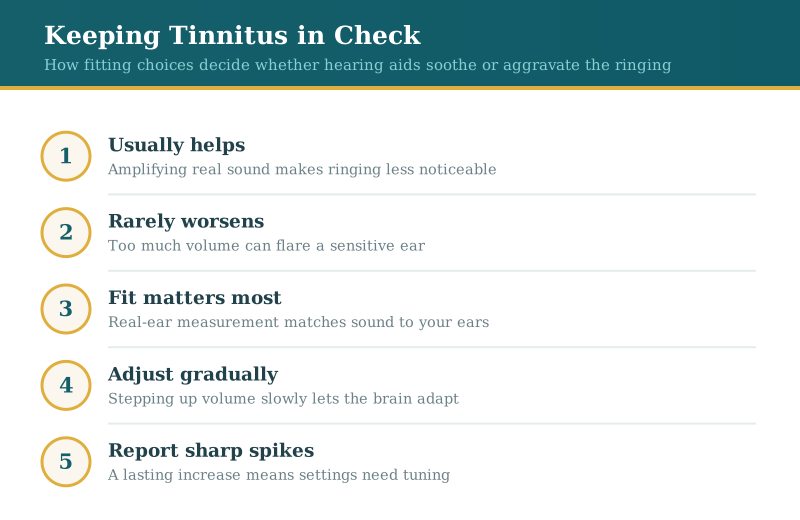
- For most people, hearing aids reduce how noticeable tinnitus is rather than making it worse.
- When tinnitus does flare, the cause is usually over-amplification or a poor fit, both correctable.
- A gradual fitting with real-ear measurement lowers the chance of any setback.
- Ringing that spikes sharply or comes with new symptoms is worth reporting to your audiologist.
The short answer
For the large majority of people, hearing aids make tinnitus less intrusive, not more. By restoring soft everyday sounds — a fan, distant traffic, the hum of a room — they shrink the silence that tinnitus rushes to fill. A worsening is possible but uncommon, and it almost always points to something adjustable in the setup rather than a flaw in the idea. Knowing the difference helps you spot a problem early and get it corrected.
Why hearing aids tend to calm the ringing
Tinnitus and hearing loss frequently go hand in hand, which is one reason amplification so often helps; ASHA's account of what sits behind the ringing describes the same link. The ringing stands out most in quiet, when there is little else for your ears and brain to attend to, so bringing back real sound narrows the gap and the ringing stops dominating. Many devices also include gentle sound-generator features built for tinnitus, a close cousin of dedicated sound therapy. For a lot of wearers, that combination is the first real relief they have felt in years.
When they can make tinnitus feel worse
Problems cluster around a few fixable causes. Too much amplification, especially at high pitches, can overstimulate an already sensitive system and leave the ringing louder for a while. A prescription aimed at the wrong sounds, or a dome that plugs the ear and traps your own voice, can do the same. Turning the volume up on your own past what was programmed is another common culprit. None of these are reasons to avoid hearing aids; they are reasons to have them fit properly.
What is normal during the first weeks
New hearing aids bring in sounds your brain has not processed clearly in some time, and that adjustment can briefly make you more aware of tinnitus before things settle. This is different from a genuine worsening. Most wearers find the ringing recedes into the background over a few weeks as the brain re-learns the fuller sound picture. Wearing the devices consistently, rather than only in hard listening moments, usually speeds that settling.
Fitting details that keep tinnitus in check
The way hearing aids are programmed matters more than the brand on the box. Real-ear measurement confirms that the sound reaching your eardrum matches the prescription instead of guessing at it. Starting at a comfortable level and stepping up gradually gives your system time to adapt. An open fit that lets air and natural sound into the ear canal can reduce the plugged-up feeling that sometimes bothers tinnitus. These choices are what a thorough hearing evaluation and fitting are built to get right.
Combination devices and sound therapy
Some hearing aids double as tinnitus tools, layering a soft, customizable sound over amplification to take the edge off the ringing. Paired with counseling, this approach — often called tinnitus therapy — helps your brain file the sound away as unimportant background. It does not erase tinnitus, but many people find the ringing fades in importance over time. The right mix depends on your hearing, your particular tinnitus, and how you spend your days.
When to call your audiologist
A short bump in awareness during the adjustment period is expected. Ringing that climbs sharply, arrives with new dizziness, ear pain, or a sudden hearing change, or refuses to settle after a few weeks is worth a call rather than a wait. Often the fix is a quick programming tweak. If you are between check-ins, our audiologists can review your settings and, when needed, reshape the amplification so your hearing aids work with your tinnitus instead of against it.
Frequently asked questions
Questions patients ask us
Can hearing aids really make tinnitus louder?
It can happen, though it is the exception. Usually a temporary increase comes from too much amplification or a plugged-feeling fit, both of which an audiologist can adjust. Once the settings match your ears and your tinnitus, most people find the ringing eases rather than grows.
How long before I know if they help my tinnitus?
Give it a few weeks of steady, all-day wear. Your brain needs time to adjust to the fuller range of sound, and tinnitus relief often builds gradually rather than switching on at once. If there is no change, or things feel worse after that stretch, your fitting likely needs fine-tuning.
Should I turn the volume up to cover the ringing?
Better not to push it past your programmed levels on your own. Extra volume can overstimulate a sensitive auditory system and make tinnitus more noticeable. If the current setting is not masking the ringing well, ask about a sound therapy feature instead of simply raising the gain.
I have tinnitus but only mild hearing loss — are hearing aids still worth it?
Quite possibly. Even a mild loss can leave gaps that tinnitus fills, and modern devices can be set gently for exactly this situation. A hearing test shows whether amplification, a sound-generator feature, or a combination fits you best.
What if the ringing gets worse after I start wearing them?
Report it rather than pushing through. A sharp or lasting increase usually signals that the amplification needs dialing back or reshaping, not that hearing aids are wrong for you. A short visit to check your settings is generally all it takes to get comfortable again.