


Tinnitus Care
It helps to know that tinnitus is a symptom, not a disease of its own. It often travels with hearing loss, but it can also follow noise exposure, earwax, certain medications, or a stressful stretch of months. Because the causes vary, so do the remedies, which is why a careful hearing evaluation is where any sensible plan begins.
Our team in San Mateo and San Carlos treats tinnitus regularly, including with newer tools like Lenire. If the sound has started to wear on your sleep, focus, or mood, you have real choices, and a first conversation with an audiologist costs you little.
At a glance
- Tinnitus is a symptom with many causes, so treatment starts with finding what is driving it.
- No single therapy works for everyone, but sound therapy, hearing aids, and counseling all help many people.
- For those with hearing loss, hearing aids often reduce how noticeable the ringing feels.
- Newer options like Lenire and structured therapy give audiologists more tools than in years past.
Why the search for a cure misleads people
Tinnitus is the perception of sound with no external source, and it can stem from noise damage, age-related hearing changes, a wax blockage, or a hard year. Chasing a single cure tends to leave people discouraged, when the more useful goal is turning down the volume of your reaction to it. Relief usually comes through a combination of approaches suited to your case, not one remedy that fixes everything at once.
Sound therapy and everyday masking
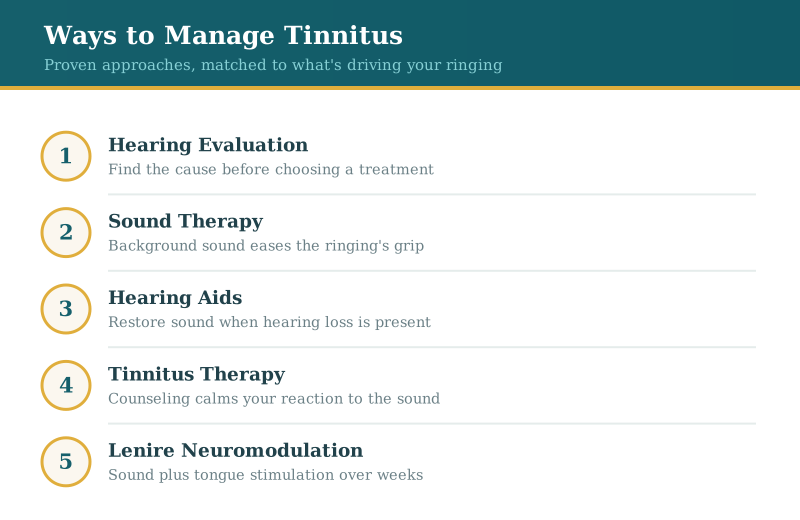
One of the most accessible strategies is giving your brain something else to listen to. Sound therapy uses gentle background noise, soft music, or nature sounds so the ringing stands out less, and over time it can help your brain push tinnitus into the background. This ranges from a simple bedside sound machine to specialized devices an audiologist programs. It rarely removes the sound outright, but many people find it makes evenings and sleep far more bearable.
Hearing aids when hearing loss is part of the picture
Because tinnitus and hearing loss so often occur together, treating the hearing side frequently eases the tinnitus itself. Hearing aids bring back environmental sound that had gone missing, which leaves the ringing less room to dominate a quiet room. Many current devices also include built-in tinnitus features that layer in soothing sound. When a hearing test shows loss, this is often the most efficient place to start.
Tinnitus retraining and talk-based therapy
Some of the strongest evidence sits with therapies that change your relationship to the sound rather than the sound itself. Structured tinnitus therapy can combine sound enrichment with counseling that helps your nervous system stop treating the ringing as a threat. Cognitive behavioral approaches in particular work on the distress rather than the sound. The sound may not vanish, but its grip on your attention can loosen considerably.
Lenire and newer neuromodulation
The field has not stood still. Lenire is a recent, non-invasive device that pairs sound delivered through headphones with mild electrical stimulation to the tongue, aiming to retrain how the brain processes tinnitus signals. It is used under audiologist guidance over a course of weeks. Not everyone is a candidate, and results vary, but it gives practices like ours another evidence-based option for people who have not found enough relief elsewhere.
Protecting your ears and managing triggers
Day-to-day habits matter too. Loud noise can worsen tinnitus, so custom hearing protection at concerts, on the job, or around power tools is a practical safeguard. Easing back on triggers some people notice, such as heavy caffeine, thin sleep, or high stress, can also take the edge off. None of this is a cure, but it keeps you from making the sound louder. If tinnitus appears suddenly, in one ear, or alongside dizziness or new hearing loss, see a professional promptly rather than waiting.
Building a plan that fits you
The right combination depends on what is driving your tinnitus, how much it bothers you, and what you have already tried. That is why a useful first step is an assessment rather than a guess. Our audiologists can identify any hearing loss, rule out treatable causes like wax, and map out which of these options make sense for you. You do not have to live at the mercy of the sound, even when a full cure is not on the table.
Frequently asked questions
What patients often want to know
Is there really no cure for tinnitus?
For most people, no treatment permanently removes the sound. What does exist is a solid set of approaches that reduce how loud and how bothersome the tinnitus feels, and for many people that difference is genuinely life-changing.
Will hearing aids help if my tinnitus comes with hearing loss?
Often they do. By restoring sounds you had been missing, hearing aids give the ringing less of a silent stage to fill, and many models add tinnitus-masking features on top. A hearing test will show whether hearing loss is part of your picture.
How is Lenire different from a sound machine?
A sound machine only plays audio to distract you. Lenire combines sound with gentle stimulation of the tongue in a structured program meant to change how your brain processes the tinnitus signal over several weeks. It is used under professional supervision and suits some patients better than others.
Can stress make tinnitus worse?
Many people notice their tinnitus flares during anxious or exhausted stretches and eases when they are rested. Stress does not cause tinnitus, but it can amplify how much you notice it, which is one reason counseling-based approaches help.
When should I see an audiologist about tinnitus?
Sooner is better if the sound is affecting your sleep, focus, or mood, or if it appeared suddenly, in one ear, or alongside dizziness. A tinnitus evaluation sorts out the cause and points you toward the options most likely to help you.