


Hearing Aid Care
Manufacturers describe this resistance with an IP rating, a short two-digit code printed in the spec sheet. It sets a fair expectation for what the device can take, and it also gives you a way to compare models honestly. The catch is that a lab rating and real-world habits are two different things, and the second one is up to you.
If moisture has already caused trouble — muffled sound, static, a battery that drains too fast — our team handles hearing aid repair at our San Mateo and San Carlos offices, and we can point you toward drying kits that head off the next problem.
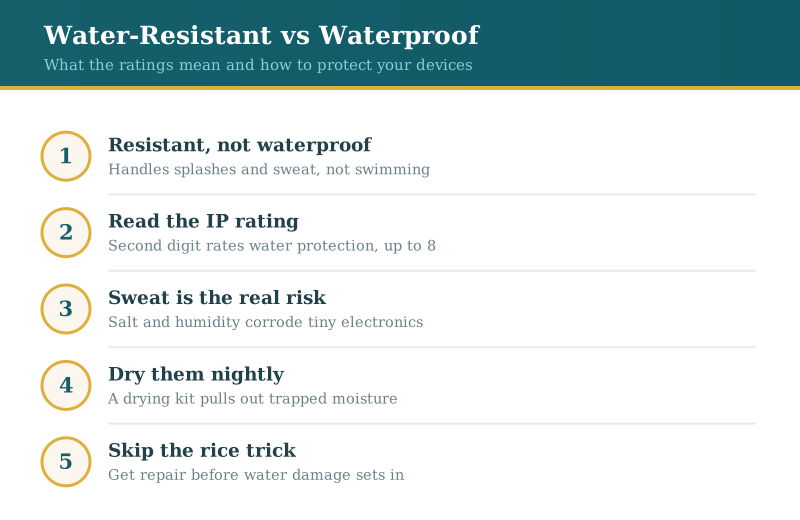
"Water-resistant" does not mean swim-ready
The label tells you a device can handle exposure, not immersion. You can wear most current hearing aids through a workout, a humid kitchen, or a sudden downpour without harm. Dropping them in a pool, keeping them in for a shower, or swimming a few laps is a different matter, and it is where damage usually begins. If you want protection for the water itself, ask about swim plugs or custom hearing protection rather than counting on the aids to cope.
Decoding the IP number on the box
That IP code — often IP67 or IP68 — is a standardized rating, and each digit means something specific. The first digit rates protection against dust and solid particles on a scale up to 6. The second rates protection against water on a scale up to 8. A higher second digit means the device survived a deeper, longer immersion in testing, though passing a controlled test is not the same as being safe to swim in daily. Ratings also weaken as seals age and wax builds up. When you compare hearing aids by brand, that number is one honest line of the spec sheet worth reading.
A little moisture will not destroy them
Some people guard their devices more than they need to, skipping a walk in light rain or a sweaty gym session out of fear. Everyday moisture is exactly what these ratings are designed for. A well-fit device takes perspiration, fog, and drizzle in stride. The point is not to leave your hearing aids in a drawer; it is to wear them and dry them well. A careful hearing aid fitting accounts for how and where you spend your day.
Sweat and humidity do the slow damage
The real threat is rarely one dramatic splash. It is the steady buildup of sweat, humidity, and condensation that works past seals over months. Salt in perspiration corrodes tiny electronics, and moisture trapped inside keeps causing trouble long after the outside feels dry. That is why a nightly drying routine matters more than any single rating. A simple dehumidifier or drying kit pulls that hidden moisture out while you sleep.
The rice and hair-dryer myth
When a device does get soaked, the old advice — bury it in rice, aim a hair dryer at it — tends to do more harm than good. Heat can warp components and melt seals, and rice dust can migrate into the microphone ports. Instead, turn the device off, open the battery door, remove the battery, and wipe it dry, then let it rest in a proper drying kit. If sound has not returned after a full drying cycle, stop experimenting and have it checked.
Water damage is not always the end
A hearing aid that has taken on water is not automatically ruined. Corrosion, a swollen battery contact, or a fogged microphone can often be cleaned, resealed, or repaired. The sooner it is addressed, the better the odds. Our team provides hearing aid repair and will tell you plainly whether a device is worth fixing or due for replacement. If yours is aging anyway, it may be a fair moment to look at newer hearing aids with stronger moisture protection.
Frequently asked questions
Your questions, answered
Can I wear my hearing aids in the shower?
It is best not to. Even a highly rated device is built to resist splashes and humidity, not the direct spray and steam of a shower. Take them out beforehand and set them somewhere dry. A few minutes of quiet costs far less than a repair.
What IP rating should I look for?
For most daily wear, an IP67 or IP68 rating gives solid protection against dust and everyday moisture. Higher is nice to have, but how you care for the device — drying it nightly, keeping it clean — matters just as much as the number printed on the box.
My hearing aid got wet and stopped working. What now?
Open the battery door, take out the battery, and gently pat it dry, then place it in a drying kit instead of reaching for rice or a hair dryer. If it stays silent after a full drying cycle, bring it in. Prompt repair often saves a device that seems gone.
Are any hearing aids truly waterproof for swimming?
A few are marketed for water activities, but even those set limits on depth and time, and none are meant for continuous submersion. If swimming matters to you, talk through the trade-offs before you buy; we can walk you through the options during a fitting built around your routine.