


Hearing Aid Care
In most cases a whistle is pointing at something small and fixable. The device shifted in your ear, wax is bouncing sound back, or a part has worn out. It rarely means the hearing aid is broken. Once you know what sets feedback off, you can stop most whistles yourself and recognize the times it is worth a call to the office.
When a whistle turns into a daily annoyance, the answer is often a quick fitting adjustment rather than anything you can sort out at the kitchen table. Our team on the Peninsula sees feedback questions all the time, and the great majority take only a short visit to settle.
At a glance
- Feedback is amplified sound leaking back into the microphone and looping, usually a fit or blockage issue rather than a broken device.
- A loose seal, earwax buildup, or worn tubing are the most common triggers, and each has a straightforward fix.
- If reseating the device and clearing wax do not stop it, a fitting adjustment or repair almost always will.
Why the whistling starts
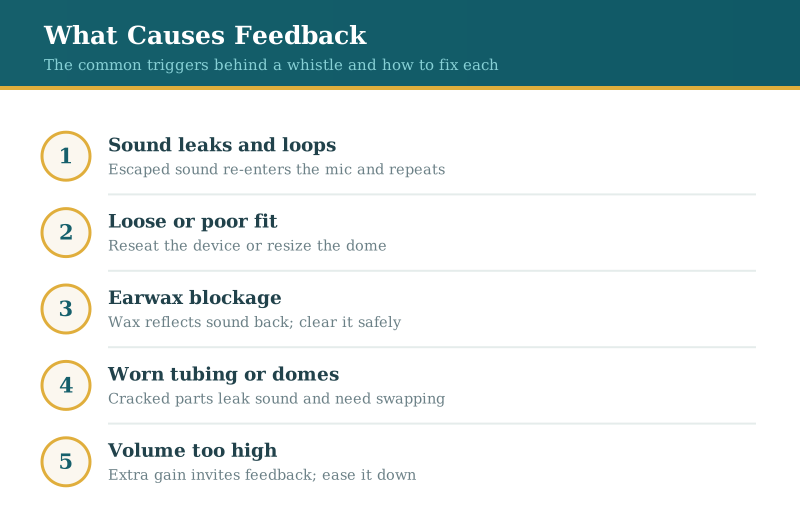
A hearing aid works by picking up sound, boosting it, and delivering it into your ear canal. Trouble begins when some of that boosted sound escapes back out of the canal before your eardrum uses it. The microphone hears the escaped sound, amplifies it again, and the cycle repeats fast enough to produce a steady tone. That is feedback in a nutshell. The louder the device is turned up, and the more room sound has to leak out, the more likely you are to hear it. Good modern circuitry cancels a lot of this automatically, which is why a whistle usually signals that something has changed, not that the technology has failed.
When the fit has slipped
The most frequent cause is a seal that is no longer snug. If a dome or earmold does not sit tightly, sound slips out around the edges and heads straight back to the microphone. This shows up after weight changes, when a dome is the wrong size, or simply when the device was not seated all the way in. Reinserting it firmly often solves the problem on the spot, though firmly is not the same as deeply, and how deep is deep enough is set by the style of device and the shape of your canal rather than by how hard you press. If the whistle keeps returning even when the aid is placed correctly, the fit itself likely needs attention, and a hearing aid fitting can dial in a better seal or a differently sized dome.
A blocked ear canal
Earwax is a surprisingly common culprit. When wax builds up against the eardrum, it acts like a wall that reflects amplified sound back out toward the microphone instead of letting your ear absorb it. The result is a whistle that no amount of reseating will cure, because the blockage, not the fit, is the problem. This is worth handling carefully rather than with a cotton swab, which tends to push wax deeper. Professional earwax removal clears the canal safely, and many people find their feedback disappears the moment the blockage is gone.
Worn tubing and tired parts
Hardware ages, and feedback is often the first hint. On behind-the-ear models, the tubing can stiffen, shrink, or crack over months of use, opening a gap that lets sound escape. Domes split, wax guards clog, and microphone or receiver components lose their edge. None of this means the hearing aid is beyond help. A worn tube or a cracked dome is a minor, inexpensive replacement, and a hearing aid repair visit can swap the part and test the device so the whistle does not come back.
Quieting a persistent whistle
Start with the easy checks: take the aid out, look for wax on the tip, and push it back in until it seats fully. Turn the volume down a notch if you had it high, since extra gain invites feedback. Inspect the tubing and dome for splits. If the squeal survives all of that, the device is telling you it needs a professional look rather than another home fix. Bring it in and our audiology staff can find the leak, adjust the settings, or replace the worn piece. You can contact our offices to set up a quick appointment whenever a whistle starts wearing on you.
Frequently asked questions
What patients often want to know
Is it normal for a hearing aid to whistle once in a while?
A brief whistle when you insert the device or cup your hand over your ear is normal and harmless. Covering the ear traps escaping sound and sets off a quick loop. What is not normal is a whistle that keeps going during ordinary wear, since that points to a fit, wax, or hardware issue worth checking.
My hearing aid squeals even when I sit still. What is wrong?
A steady whistle during quiet, motionless moments usually rules out a passing bump and suggests a real leak. The likely suspects are a loose seal, wax against the eardrum, or worn tubing. Try reseating the aid first; if that does not help, it is time to have the fit and the parts looked at.
Can earwax really cause feedback?
It genuinely can, and it catches many people by surprise. Wax packed near the eardrum reflects amplified sound back toward the microphone, producing a whistle that no adjustment to the device will fix. Clearing the blockage often silences the feedback right away, which is why a wax check is a smart early step.