



Managing Tinnitus at Night
Managing Tinnitus at Night: Sleep Strategies That Actually Help
Nighttime is when tinnitus often feels loudest. The world gets quiet, your brain has fewer distractions, and the
ringing, buzzing, or hissing can take center stage. The good news: there are practical, science-based ways to make
it easier to fall asleep and stay asleep.
Why Tinnitus Feels Worse at Night
Many people with tinnitus report the same pattern: they can manage during the day, but as soon as they lie down in
a quiet bedroom, the sound feels twice as loud. That doesn’t necessarily mean tinnitus is getting
worse—often, it’s about contrast and attention.
- Less background noise means tinnitus has no “competition.”
- Your brain has fewer distractions and starts to focus on internal sounds.
- Worry about sleep (“What if I’m exhausted tomorrow?”) can make the sound feel more intense.
- Stress hormones from the day can still be elevated at night.
Our blog post
Can Stress Make Tinnitus Worse? What Atherton Patients Should Know
explains how stress and sleep are tightly connected to tinnitus spikes.
You don’t have to wait for tinnitus to disappear before you sleep better. With the right sound environment,
bedtime routine, and coping tools, most people see meaningful improvement—often before tinnitus itself changes.
For a broader overview of tinnitus itself, start with
What Is Tinnitus? and
Tinnitus & Hearing Loss Connection.
Creating a Sleep-Friendly Sound Environment
The goal at night is not to blast tinnitus away, but to gently blend it with other sounds so your
brain has something more pleasant to focus on. This is part of
sound therapy for tinnitus.
Gentle Background Sound
Use soft sound like a fan, white noise, nature sounds, or ocean waves. Our article
Best Relaxation Techniques for Tinnitus Relief in Hillsborough
includes practical examples you can adapt for bedtime.
Volume: “Just Above” Tinnitus
Aim for sound that is just slightly above or below your tinnitus level—not so loud that it becomes
another irritant. The goal is to soften the contrast, not to drown everything out.
Consistent, Predictable Sound
Choose looping sounds without sudden changes in volume or tempo. Many
tinnitus relief apps and bedside devices are designed specifically for this.
If you use hearing aids with tinnitus features, our posts
Sleeping With Hearing Aids: Everything You Need to Know
and
Can You Sleep With Hearing Aids? Advice for Burlingame Patients
go deeper into device settings and comfort tips.
Devices & Apps That Can Help at Night
Several types of devices can make nights easier if you live with tinnitus:
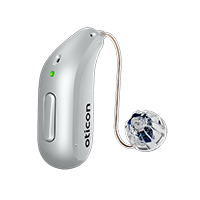
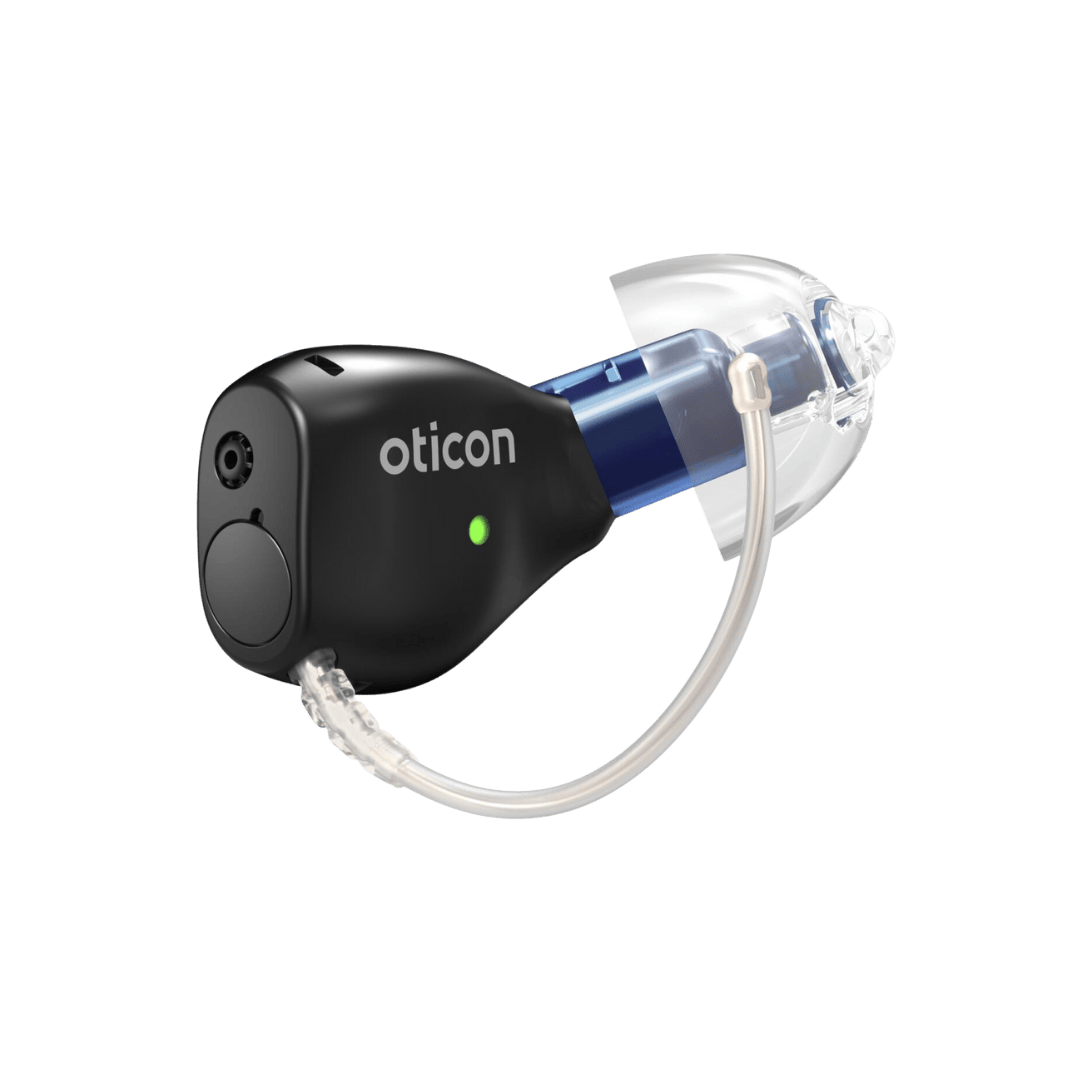
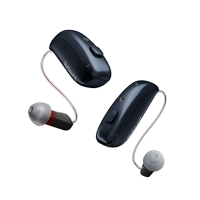
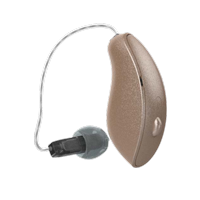
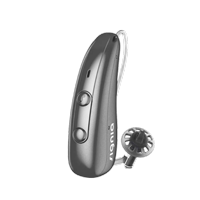
- Hearing aids with tinnitus programs for people who also have hearing loss
- Dedicated tinnitus masking devices or bedside sound generators
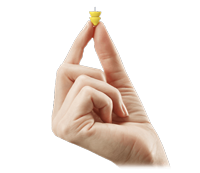
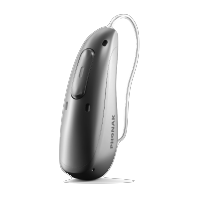
- Extended-wear devices like Lyric™ that can provide 24/7 sound support
- Smartphone apps with customizable soundscapes, timers, and relaxation tracks
Our hearing aid overview at
Hearing Aids in San Mateo & San Carlos explains options such as
Phonak Lyric™ and other devices designed for all-day—and sometimes night-time—wear.
Most people should not wear traditional hearing aids all night due to comfort, skin health, and
moisture concerns. If you’re considering this:
- Review
Is It OK to Leave Hearing Aids in Overnight? – Expert Advice - Read
Sleeping With Hearing Aids: Everything You Need to Know - Talk with our audiologists about safe options, including devices designed for extended wear
If tinnitus is your main reason for wanting devices at night, we may recommend a combination of
hearing aids for tinnitus during the day and bedside sound therapy at night.
Building a Tinnitus-Friendly Bedtime Routine
What you do in the 60–90 minutes before bed can dramatically impact how your brain responds to tinnitus at night.
Step 1: Wind Down on Purpose
Choose 1–2 relaxing activities: stretching, gentle yoga, reading, or a warm shower. In
Best Relaxation Techniques for Tinnitus Relief in Hillsborough
, we outline simple breathing and relaxation exercises that pair well with nighttime sound therapy.
Step 2: Set Your Sound Environment Before You Lie Down
Turn on your sound machine or app before getting into bed. That way, you’re entering a room
that already feels calmer, instead of lying down in silence and then scrambling for your phone.
Step 3: Use CBT-Inspired Tools for Racing Thoughts
If worrying about sleep or tinnitus keeps you awake, CBT-based strategies—like those described in
CBT for Tinnitus and
Coping with Tinnitus Anxiety—can help slow down your mind.
Step 4: Make the Bedroom a “Reassurance Zone”
Keep reminders nearby: written notes about what your audiologist said, or key points from
Tinnitus Treatment Options. This can counter late-night catastrophic
thoughts like “This will be like this forever.”
If you’re also adjusting to new devices, you may find
Is It OK to Leave Hearing Aids in Overnight?
and
Can You Sleep With Hearing Aids?
especially helpful during the first few weeks.
What to Avoid Before Bed
Some habits make both tinnitus and sleep worse. Common culprits include:
- Late-night doomscrolling about tinnitus, which increases anxiety and hyper-focus
- Caffeine and alcohol close to bedtime, which can disrupt sleep and sometimes aggravate tinnitus
- Very loud evening environments (concerts, clubs) without hearing protection
- Going to bed stressed and “wired” without any wind-down time
For more on how everyday choices impact tinnitus, see:
Does Caffeine Affect Tinnitus? Research for Burlingame Patients
Could Drinking Alcohol Affect Your Hearing?
Simple Steps to Protect and Preserve Your Hearing
If you’ve had a particularly loud evening, your ears may need extra quiet time to recover. Hearing protection and
good habits can make future nights easier.
When Nighttime Tinnitus Needs Professional Help
Some nighttime tinnitus scenarios warrant a closer look:
- Tinnitus that starts suddenly or changes dramatically
- Tinnitus in one ear only (unilateral tinnitus)
- Tinnitus plus sudden hearing loss, dizziness, or neurological symptoms
- Severe insomnia, panic, or depression related to tinnitus
Learn more in:
- When to See a Doctor About Tinnitus
- Ringing in One Ear: Understanding Unilateral Tinnitus
- Do I Have Tinnitus?
A comprehensive tinnitus evaluation, including
hearing tests and
Tinnitus Severity Assessment, helps us determine whether
TRT,
CBT,
sound therapy,
hearing aids for tinnitus, or advanced options like
Lenire® are appropriate.
Frequently Asked Questions About Tinnitus & Sleep
Not necessarily. Many people find that as they build better sleep habits and use the right sound therapy,
their brain becomes less alarmed by tinnitus at night. Over time—and often in combination with treatments
reviewed in Tinnitus Treatment Options—sleep can improve even if
tinnitus is still present.
Some medications can influence tinnitus, while others may be helpful in the short term. It’s important to
talk with your physician before starting or changing any sleep medication. We can coordinate with your
medical team as part of a comprehensive tinnitus plan.
Not always. Many patients do well with standard daytime hearing aids plus bedside sound therapy at night. In
some cases, extended-wear devices or tinnitus-specific options described in
Sleeping With Hearing Aids: Everything You Need to Know
or
Can Hearing Aids Help with Tinnitus?
may be recommended.
Generally, low-level, comfortable sound is safe and often helpful for people with tinnitus. We recommend
moderate volumes and steady sounds. If you have specific ear or sleep conditions, we’ll tailor the plan during
your tinnitus evaluation.
Next Steps for Bay Area Patients
If tinnitus is stealing your sleep, you’re not alone—and you’re not stuck. With a combination of sound therapy,
CBT-based coping tools, and the right devices, most people can sleep significantly better even before tinnitus
itself changes.
You can also explore:
Set Up Your FREE Hearing Consultation with an Expert Today
SEE A HEARING DOCTOR IN SAN MATEO
San Mateo – Main Office
88 N. San Mateo Drive
San Mateo, CA 94401
Phone: (650) 342-9449
Fax: (650) 342-4435