

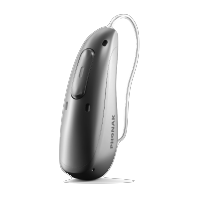
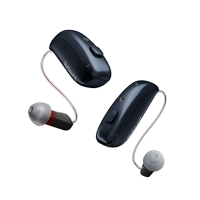
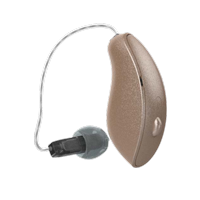
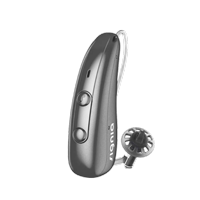



When someone invests in hearing aids, they expect life-changing results. However, statistics show that approximately 20-30% of hearing aids end up abandoned in dresser drawers, unused and collecting dust. This phenomenon, known as “drawer hearing aids,” represents not just a financial loss but a missed opportunity for improved quality of life. Understanding why this happens and how proper follow-up care can prevent it is crucial for successful hearing aid outcomes.
The Common Reasons Hearing Aids End Up Abandoned
Several factors contribute to why people stop wearing their hearing aids, often within the first few months of purchase. Recognizing these challenges is the first step in preventing hearing aid failure.
Unrealistic Expectations About Hearing Aid Performance
Many first-time hearing aid users expect their devices to restore hearing to perfect levels immediately. When they discover that hearing aids amplify all sounds, including background noise, they may become discouraged. Unlike eyeglasses that provide instant clarity, hearing aids require an adjustment period where the brain learns to process amplified sounds effectively.
Poor Initial Fitting and Programming
A significant number of hearing aid failures stem from inadequate initial fittings. When devices aren’t properly programmed for an individual’s specific hearing loss pattern, users experience:
- Uncomfortable volume levels
- Feedback or whistling sounds
- Poor speech clarity
- Physical discomfort from improper fit
- Difficulty hearing in challenging environments
Professional hearing aid fitting services are essential for avoiding these issues and ensuring optimal device performance from the start.
Lack of Proper Education and Training
Many users receive their hearing aids without sufficient education about:
- How to properly insert and remove the devices
- Daily maintenance and cleaning procedures
- Battery replacement or charging protocols
- Troubleshooting common issues
- Realistic timelines for adjustment
Insufficient Follow-Up Care
Perhaps the most critical factor in hearing aid success is ongoing professional support. Without regular follow-up appointments, users often struggle with minor issues that could be easily resolved, leading to frustration and eventual abandonment of their devices.
The Critical Role of Follow-Up Care in Hearing Aid Success
Comprehensive follow-up care is the difference between hearing aids that sit in drawers and those that transform lives. This ongoing support addresses the various challenges users face during their adjustment period and beyond.
Initial Adjustment Period Support
The first 30-90 days with new hearing aids are crucial. During this period, users need:
- Regular programming adjustments based on real-world experience
- Counseling about realistic expectations and adjustment timelines
- Troubleshooting support for technical issues
- Encouragement and motivation to continue wearing the devices
Quality hearing care services provide structured follow-up appointments during this critical adjustment phase.
Long-Term Maintenance and Optimization
Hearing aids require ongoing care to maintain optimal performance. Regular follow-up appointments allow for:
- Performance monitoring – Ensuring devices continue to meet hearing needs
- Cleaning and maintenance – Professional cleaning and component replacement
- Programming updates – Adjustments for changing hearing needs or preferences
- Technology upgrades – Information about new features or devices
How Professional Follow-Up Care Prevents Hearing Aid Failure
Structured follow-up care addresses the root causes of hearing aid abandonment through systematic support and intervention.
Personalized Programming Adjustments
Every individual’s hearing needs are unique, and initial programming rarely captures all nuances. Through follow-up appointments, hearing professionals can:
- Fine-tune frequency responses based on user feedback
- Adjust noise reduction settings for specific environments
- Modify compression ratios for improved comfort
- Customize directional microphone settings
These adjustments are based on real-world usage rather than just audiometric data, resulting in significantly improved user satisfaction.
Ongoing Education and Support
Follow-up care includes continued education about:
- Advanced hearing aid features and how to use them
- Communication strategies for difficult listening situations
- Proper maintenance techniques to extend device life
- When and how to seek professional help
Early Problem Detection and Resolution
Regular follow-up appointments allow professionals to identify and address issues before they become major problems. This includes:
- Detecting wax buildup that affects performance
- Identifying component wear before complete failure
- Adjusting fit as ear shape changes over time
- Updating programming for progressive hearing loss
Essential Components of Effective Follow-Up Care
Comprehensive follow-up care should include several key components to ensure hearing aid success.
Structured Appointment Schedule
Effective follow-up care follows a structured timeline:
- 1-2 weeks post-fitting – Initial adjustment and problem-solving
- 30 days – Major programming adjustments based on usage experience
- 90 days – Fine-tuning and addressing remaining concerns
- 6 months – Comprehensive performance review
- Annual visits – Ongoing maintenance and hearing assessment
Comprehensive Performance Evaluation
Each follow-up visit should include:
- Real-ear measurement verification
- Device performance testing
- User satisfaction assessment
- Physical examination of the devices
- Discussion of usage patterns and challenges
Professional hearing testing services ensure that hearing aids continue to meet changing needs.
CalHearing.com: Your Partner in Hearing Aid Success
At CalHearing.com, we understand that purchasing hearing aids is just the beginning of your journey to better hearing. Our comprehensive approach to hearing care ensures that your investment provides lasting benefits rather than ending up in a drawer.
Our Complete Range of Services
We provide a full spectrum of hearing care services designed to support your hearing health journey:
- Professional Hearing Testing – Comprehensive hearing evaluations using state-of-the-art equipment
- Expert Hearing Aid Fitting – Personalized hearing aid fitting services with real-ear verification
- Tinnitus Management – Specialized tinnitus therapy programs
- Hearing Protection – Custom hearing protection solutions
- Device Maintenance – Professional hearing aid repair services
Convenient Service Locations
We proudly serve multiple communities, making quality hearing care accessible to more people. Visit our service areas page to find a location convenient for you.
Educational Resources and Support
Our commitment to your success extends beyond appointments. We provide:
- Extensive educational resources about hearing health
- Regular updates through our hearing health blog
- Ongoing support for hearing aid users
- Latest information about hearing technology advances
The Long-Term Benefits of Proper Follow-Up Care
Investing in comprehensive follow-up care provides numerous long-term benefits that extend far beyond just keeping hearing aids out of drawers.
Improved Quality of Life
Users who receive proper follow-up care report significantly higher satisfaction rates and better outcomes, including:
- Enhanced communication with family and friends
- Increased confidence in social situations
- Better performance at work or in educational settings
- Reduced listening fatigue and stress
- Greater independence and autonomy
Better Return on Investment
Hearing aids represent a significant financial investment, and proper follow-up care ensures you receive maximum value from that investment. Regular maintenance and adjustments extend device life and optimize performance throughout the lifespan of the hearing aids.
Prevention of Further Hearing Loss
Regular follow-up appointments include hearing assessments that can detect changes in hearing ability early. This early detection allows for timely intervention and may help prevent further hearing deterioration.
Taking Action: Your Next Steps to Hearing Aid Success
If you’re considering hearing aids or currently struggling with devices that aren’t meeting your expectations, professional follow-up care can make all the difference. Don’t let your hearing aids become another drawer casualty.
The journey to successful hearing aid use requires professional guidance, ongoing support, and a commitment to the adjustment process. With the right follow-up care, hearing aids become powerful tools that enhance every aspect of your life rather than expensive devices gathering dust.
Ready to experience the difference that comprehensive hearing care can make? Contact us today to schedule your consultation and take the first step toward hearing aid success that lasts a lifetime.