




When your child needs their first hearing appointment, it’s natural to feel anxious about what lies ahead. Understanding the process can help both you and your child feel more prepared and comfortable during this important healthcare visit. Whether you’re addressing concerns about your child’s hearing development or following up on a screening recommendation, knowing what to expect can make all the difference.
Preparing for Your Child’s First Hearing Appointment
Before your visit, there are several steps you can take to ensure a smooth experience. Pediatric hearing evaluations are designed to be child-friendly, but preparation is key to success.
- Schedule the appointment during your child’s best time of day, typically when they’re well-rested and alert
- Bring comfort items like a favorite toy or blanket
- Prepare a list of questions about your child’s hearing health
- Gather any relevant medical history or previous hearing test results
- Explain the visit to your child in simple, age-appropriate terms
Professional hearing testing requires a calm environment, so arriving early can help your child adjust to the new surroundings before the evaluation begins.
What Happens During the Hearing Evaluation
A comprehensive pediatric hearing assessment typically includes several components, each designed to evaluate different aspects of your child’s auditory system.
Initial Consultation and Medical History
The audiologist will begin by discussing your concerns and reviewing your child’s medical history. This conversation helps identify potential risk factors and guides the testing approach. Topics may include:
- Pregnancy and birth history
- Previous ear infections or illnesses
- Family history of hearing loss
- Speech and language development milestones
- Behavioral observations at home or school
Physical Examination
Before conducting hearing tests, the audiologist will examine your child’s ears using an otoscope. This painless procedure checks for earwax buildup, ear infections, or other physical issues that might affect hearing test results.
Age-Appropriate Hearing Tests
The specific tests performed will depend on your child’s age and developmental level. Pediatric audiologists use various techniques to assess hearing in children:
For Infants and Toddlers (0-2 years)
- Otoacoustic Emissions (OAEs): Measures sounds produced by the inner ear in response to clicks or tones
- Auditory Brainstem Response (ABR): Records brain activity in response to sounds while the child sleeps or rests quietly
- Behavioral Observation Audiometry: Observes the child’s responses to various sounds
For Preschoolers (2-5 years)
- Visual Reinforcement Audiometry (VRA): Uses lighted toys or animated characters to reinforce responses to sounds
- Conditioned Play Audiometry: Turns hearing testing into a game using toys and activities
For School-Age Children (5+ years)
- Conventional Audiometry: Similar to adult testing, using headphones and hand-raising responses
- Speech Audiometry: Evaluates the ability to hear and understand speech at different volume levels
Understanding the Test Results
After completing the evaluation, the audiologist will explain the results using an audiogram – a graph that shows your child’s hearing thresholds at different frequencies. Hearing test results are measured in decibels (dB) and help determine if hearing loss is present and, if so, the degree and type.
Normal hearing for children is typically considered to be thresholds of 15 dB or better across all frequencies. The audiologist will discuss whether your child’s results fall within normal ranges or if further evaluation or intervention is recommended.
Next Steps After the Hearing Evaluation
Depending on the results, your audiologist may recommend various follow-up actions:
If Hearing is Normal
- Recommendations for protecting your child’s hearing
- Guidance on monitoring hearing health as your child grows
- Resources for supporting speech and language development
If Hearing Loss is Detected
- Referral to an ENT physician for medical evaluation
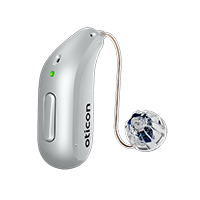
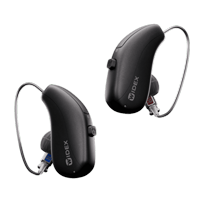
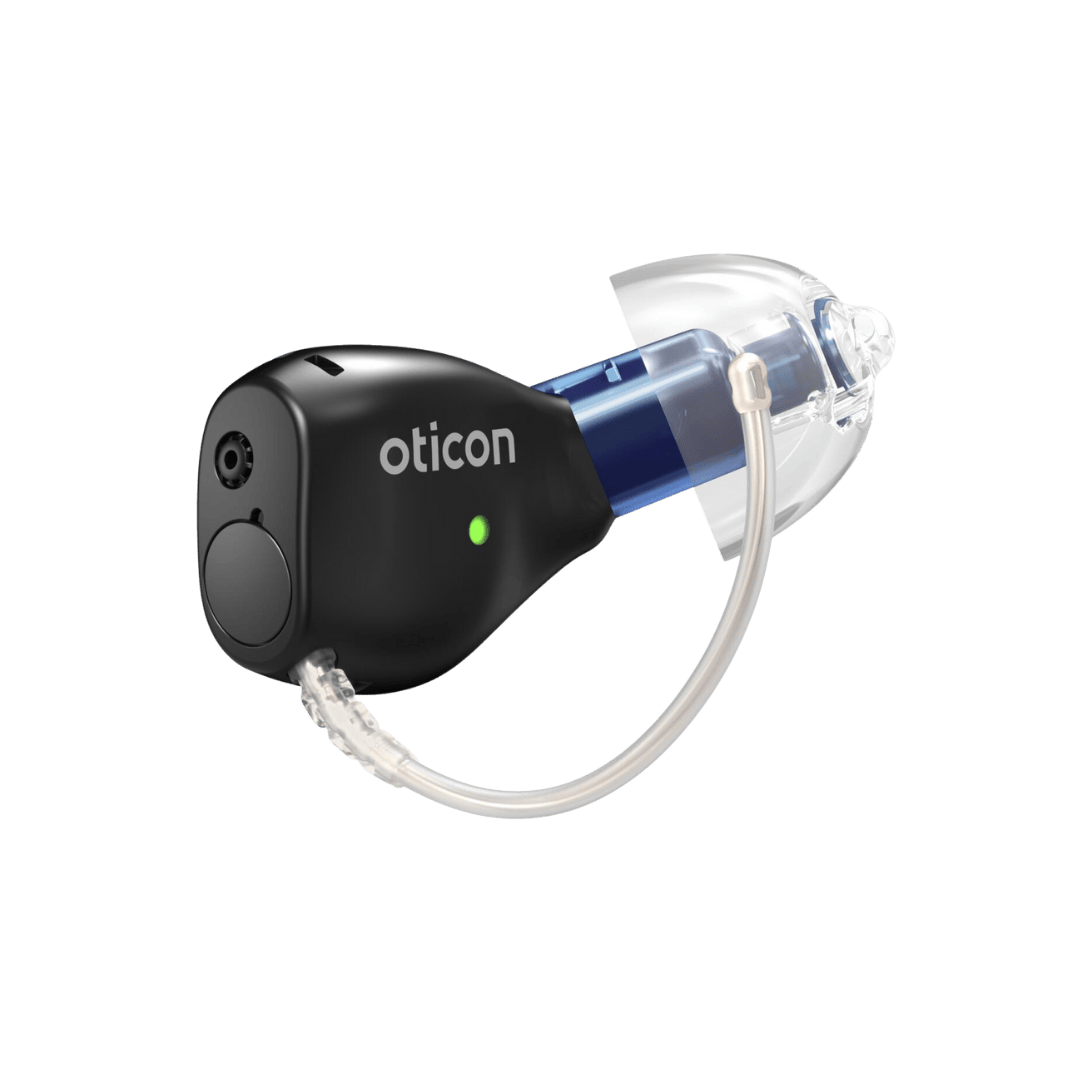
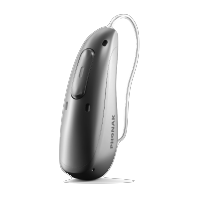
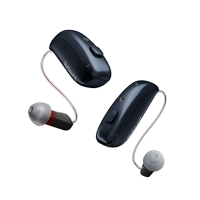
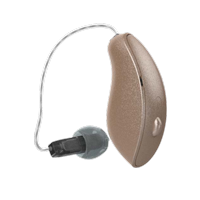
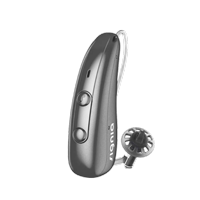
- Discussion of hearing aid options and hearing aid fitting procedures
- Information about early intervention services
- Follow-up appointment scheduling for ongoing care
Professional Hearing Care Services
At Cal Hearing, we understand that children’s hearing health requires specialized expertise and compassionate care. Our comprehensive services include:
- Pediatric Hearing Evaluations: Age-appropriate testing using the latest technology and child-friendly approaches
- Hearing Aid Services: From initial fitting to ongoing adjustments and hearing aid repairs
- Hearing Protection: Custom hearing protection solutions for young musicians, swimmers, and noise-exposed environments
- Tinnitus Management: Specialized tinnitus therapy for children experiencing ringing or buzzing in their ears
- Family Education: Comprehensive support and resources for families navigating hearing loss
Our team serves families throughout our service areas, providing convenient access to quality pediatric hearing care.
Tips for Making the Experience Positive
Creating a positive association with healthcare visits is important for your child’s future wellbeing. Here are strategies to help ensure a successful first hearing appointment:
- Stay calm and positive: Children pick up on parental anxiety, so maintaining a relaxed demeanor helps keep your child comfortable
- Use simple explanations: Describe the tests as “listening games” or “ear check-ups” rather than medical procedures
- Bring snacks and activities: Pack quiet activities for waiting periods and healthy snacks if the appointment is lengthy
- Ask questions: Don’t hesitate to ask the audiologist to explain procedures or results in terms you understand
- Plan for follow-up: Be prepared to schedule additional appointments if needed
Supporting Your Child’s Hearing Health
Regular hearing evaluations are just one aspect of maintaining your child’s auditory health. Our resources provide valuable information on protecting young ears from noise damage, recognizing signs of hearing problems, and supporting children with hearing difficulties.
For ongoing education and updates about pediatric hearing health, visit our blog where we regularly share expert insights and practical tips for families.
When to Seek Professional Help
While some children may show obvious signs of hearing difficulty, others may have subtle symptoms that are easily overlooked. Consider scheduling a hearing evaluation if you notice:
- Delayed speech or language development
- Frequent requests for repetition or saying “what?”
- Difficulty following directions or appearing inattentive
- Speaking louder than necessary or sitting close to the TV
- History of frequent ear infections
- Academic or social challenges that might be hearing-related
Early identification and intervention are crucial for your child’s communication development and overall success. Professional pediatric hearing care ensures that any issues are addressed promptly and effectively.
If you’re ready to schedule your child’s first hearing appointment or have questions about pediatric hearing services, we’re here to help. Our experienced team provides compassionate, comprehensive care tailored to each child’s unique needs. Contact us today to schedule your consultation and take the first step toward protecting your child’s hearing health.