

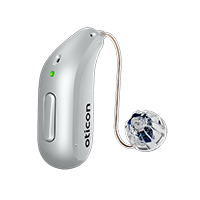
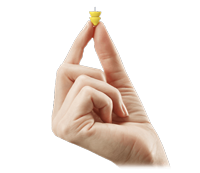
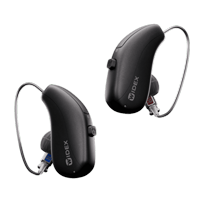
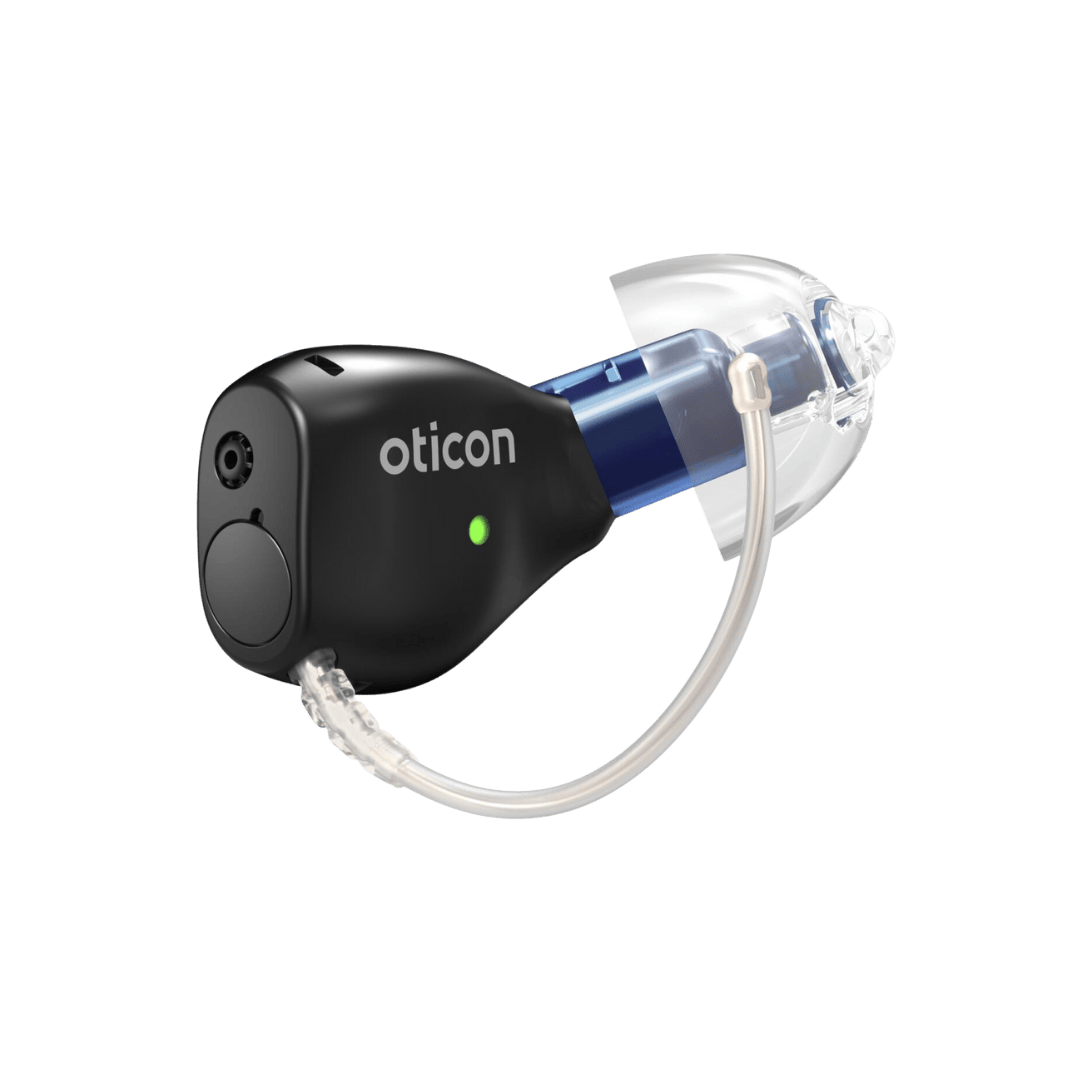
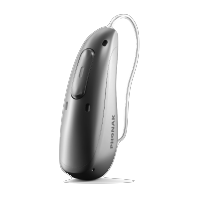
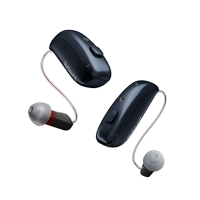
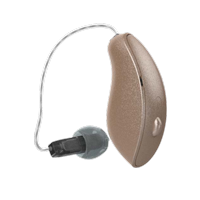
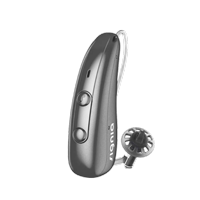



Finding the right hearing aids can be a life-changing experience, but it requires more than simply picking a device off the shelf. A proper hearing aid fit involves multiple factors working together harmoniously to provide you with the best possible hearing experience. When considering hearing aids, three crucial elements determine whether you’ll be satisfied with your investment: physical comfort, sound quality, and how well the device matches your daily lifestyle needs.
The Foundation of Comfort: Physical Fit and Wearability
Physical comfort forms the cornerstone of successful hearing aid fitting. A properly fitted hearing aid should feel secure yet comfortable throughout your entire day. When you visit a qualified audiologist for hearing aid fitting, they’ll take precise measurements and impressions of your ear canal to ensure optimal comfort.
Key comfort factors include:
- Proper ear canal fit – The device should sit securely without causing pressure points
- Appropriate size selection – Neither too tight nor too loose for your specific ear anatomy
- Material compatibility – Hypoallergenic materials that won’t irritate sensitive skin
- Weight distribution – Balanced design that doesn’t cause fatigue during extended wear
A comfortable hearing aid becomes virtually unnoticeable during daily activities, allowing you to focus on enjoying improved hearing rather than adjusting an uncomfortable device.
Sound Quality: The Heart of Hearing Aid Performance
Superior sound quality distinguishes excellent hearing aids from mediocre ones. During your hearing testing appointment, your audiologist will identify your specific hearing loss pattern and recommend devices that address your unique needs.
Essential sound quality features include:
- Frequency response matching – Amplification precisely calibrated to your hearing loss
- Noise reduction technology – Advanced algorithms that minimize background noise
- Speech enhancement – Features that prioritize human speech clarity
- Feedback elimination – Technology that prevents annoying whistling sounds
- Natural sound processing – Maintaining the authentic quality of sounds you love
Professional programming and fine-tuning ensure your hearing aids deliver optimal sound quality tailored to your specific hearing profile and preferences.
Lifestyle Integration: Matching Technology to Your Daily Life
The best hearing aids seamlessly integrate into your existing lifestyle without requiring significant adjustments to your daily routine. Consider how different hearing aid technologies align with your specific needs and activities.
Lifestyle considerations include:
- Activity level – Active individuals may prefer moisture-resistant, durable models
- Technology comfort – Choose between basic controls or smartphone connectivity
- Professional requirements – Consider workplace demands and communication needs
- Social preferences – Evaluate visibility concerns and aesthetic preferences
- Maintenance capability – Select devices matching your comfort with upkeep tasks
Your audiologist will help you evaluate these factors during your consultation, ensuring your hearing aids enhance rather than complicate your daily life.
Professional Services: The CalHearing Advantage
At CalHearing, we understand that achieving the perfect hearing aid fit requires comprehensive professional support. Our experienced audiologists provide a full range of services designed to ensure your hearing aids deliver optimal performance throughout their lifespan.
Our comprehensive services include:
- Comprehensive hearing evaluations – Thorough hearing testing to identify your specific needs
- Expert fitting services – Professional hearing aid fitting with precise calibration
- Tinnitus management – Specialized tinnitus therapy for comprehensive hearing health
- Hearing protection solutions – Custom hearing protection for various environments
- Ongoing maintenance – Professional hearing aid repairs and adjustments
We proudly serve multiple communities, and you can learn more about our areas we serve to find convenient locations near you.
Additional Factors Affecting Hearing Aid Fit
Several additional elements contribute to successful hearing aid adoption beyond the primary comfort, sound, and lifestyle factors.
Important considerations include:
- Adjustment period expectations – Understanding the normal adaptation timeline
- Follow-up care scheduling – Regular appointments for fine-tuning and maintenance
- Realistic goal setting – Establishing appropriate expectations for improvement
- Family involvement – Including loved ones in the adjustment process
- Educational resources – Accessing helpful information through our resources section
Stay informed about the latest hearing health developments by visiting our informative blog, where we regularly share valuable insights and updates.
Making Your Decision: Steps Toward Better Hearing
Choosing the right hearing aids involves careful consideration of all these factors working together. The process begins with comprehensive evaluation and continues through professional fitting, adjustment, and ongoing care.
Your journey toward better hearing should include:
- Professional consultation – Meeting with qualified audiologists who understand your needs
- Thorough evaluation – Complete hearing assessment and lifestyle discussion
- Technology exploration – Reviewing options that match your requirements and budget
- Trial periods – Testing devices in real-world situations before committing
- Ongoing support – Accessing professional care throughout your hearing aid journey
Remember that finding the perfect hearing aid fit is a collaborative process between you and your hearing healthcare professional. Open communication about your experiences, preferences, and concerns ensures the best possible outcome.
Don’t let hearing challenges continue to impact your quality of life. Take the first step toward better hearing by scheduling your consultation today. Our experienced team is ready to help you discover the perfect hearing aid solution that combines comfort, exceptional sound quality, and seamless lifestyle integration.