




When to See a Doctor?
When to See a Doctor About Tinnitus
Not all ringing in the ears is an emergency—but some situations need urgent care. This guide explains when tinnitus
is serious, who you should see first (audiologist, ENT, or ER), and how our Bay Area clinics can help.
Why Timing Matters if You Have Tinnitus
Tinnitus—ringing, buzzing, whooshing, or humming in the ears—is very common. For many people it is
annoying but not dangerous. For others, it can be an early warning sign of a more serious
medical or hearing issue that needs prompt attention.
The challenge is knowing which category you fall into. That’s why it helps to understand the difference between:
- Emergency symptoms – go to the ER or urgent care right away
- Urgent symptoms – call your doctor or ENT within 24–72 hours
- Routine symptoms – schedule a non-emergency appointment with an audiologist
If you’re not sure whether what you’re hearing “counts” as tinnitus, start with
Do I Have Tinnitus?, then come back to this page to decide about next steps.
Tinnitus Symptoms: When It’s an Emergency
- You have sudden hearing loss in one or both ears, with or without tinnitus
- Tinnitus appears suddenly in one ear and your hearing feels different or “plugged”
- You have tinnitus plus severe dizziness, trouble walking, or balance problems
- Tinnitus is accompanied by facial weakness, slurred speech, or confusion
- You experience a very loud “pop” in the ear, followed by intense pain and ringing
- You have a severe headache with sudden tinnitus or hearing changes
These symptoms can be associated with conditions like sudden sensorineural hearing loss, stroke, or serious
inner ear disorders. If you’re reading this and actively experiencing any of these symptoms, treat it as an
emergency and seek care before worrying about appointments.
For more detail on sudden-onset tinnitus, see:
Sudden Tinnitus: Should I Go to the ER?
Urgent but Not Emergency: Call Your Doctor Promptly
Some tinnitus situations don’t require an ER visit, but they should not be ignored. In these cases, call your
primary care doctor, ENT, or audiologist as soon as possible—ideally within a few days.
New Tinnitus in One Ear
Tinnitus that is clearly in one ear (unilateral) may be related to asymmetrical hearing loss, ear infections,
Meniere’s disease, or—rarely—growths on the hearing nerve. Learn more in
Tinnitus in One Ear vs Both Ears and
Ringing in One Ear: Understanding Unilateral Tinnitus.
Pulsatile (Heartbeat) Tinnitus
A whooshing or thumping sound that matches your heartbeat can indicate a blood flow issue near the ear.
This should always be evaluated. See
What Is Pulsatile Tinnitus?
Tinnitus After Loud Noise
If tinnitus appears after a concert, loud event, or noise exposure and doesn’t fade within a day or two,
it may signal noise-induced damage. Our article
Noise Pollution and Hearing Health explains why.
Tinnitus Getting Louder Over Time
Gradually worsening tinnitus, especially with hearing changes, is a reason to schedule a hearing test and
tinnitus evaluation. Read more in
Why Is My Tinnitus Getting Louder?
Tinnitus with Ear Fullness or Pain
Earwax, fluid, or infection can cause tinnitus plus a clogged sensation, muffled hearing, or pain. These
issues are often very treatable once identified.
Tinnitus with Strong Anxiety or Sleep Loss
If tinnitus is disrupting sleep, mood, or ability to function, you don’t have to wait. Early support can
prevent a cycle of stress and worsening symptoms. See
Coping with Tinnitus Anxiety.
When to See an Audiologist First
In many non-emergency cases, an audiologist is the best first stop for tinnitus—especially at a
clinic experienced with tinnitus and sound sensitivity.
You should book an audiology appointment if:
- Tinnitus has lasted more than a week and doesn’t seem to be fading
- You notice any difficulty hearing conversations, TV, or high-pitched sounds
- You’ve had long-term noise exposure (concerts, tools, headphones, etc.)
- You already wear hearing aids and your tinnitus seems different or louder
- You’re not sure whether to see an ENT, primary care doctor, or audiologist first
At California Hearing Center, our audiologists provide comprehensive
hearing testing and tinnitus therapy.
In many cases, we can manage tinnitus directly or coordinate with ENTs and other specialists when needed.
If you’re researching options near Stanford and the Peninsula, you may also find
Hearing Test Clinics Near Stanford University
helpful for understanding your choices.
Audiologist vs ENT vs Primary Care: Who’s Right for Me?
A simple way to think about it:
Audiologist
Best for tinnitus with possible hearing loss, noise exposure, age-related changes, or long-term symptoms.
We assess hearing, measure tinnitus, and design management plans including
tinnitus treatment options,
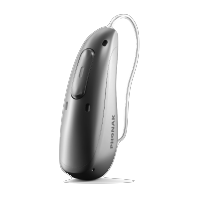
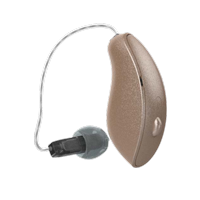
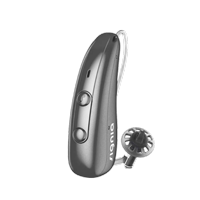
hearing aids for tinnitus, and sound therapy.
ENT (Ear, Nose & Throat)
Best for red-flag features: one-sided tinnitus, pulsatile tinnitus, ear pain, drainage, repeated infections,
or suspected structural problems. We often work closely with ENTs and can refer when needed.
Primary Care
Best if you suspect medication side effects, blood pressure issues, or systemic health concerns. Your doctor
can review medications, run lab work, and coordinate referrals to audiology and ENT.
If you live in the Bay Area and feel stuck, scheduling directly with our tinnitus-focused audiologists is often
the fastest way to get answers. From there, we can help you decide whether additional medical workup is needed.
Learn more in:
Tinnitus Therapy in the Bay Area — Featuring Dr. Emily McMahan, AuD
.
Tinnitus in Children & Teens
Children and teenagers can experience tinnitus too, especially after loud events, ear infections, or with certain
medical conditions. Younger patients may not always have the language to describe ringing in the ears—they may
just say “my ear sounds funny” or complain about a constant noise.
Schedule a pediatric evaluation if your child:
- Mentions ringing, buzzing, or other sounds in one or both ears
- Has trouble hearing teachers, classmates, or TV
- Recently had a loud noise exposure or a significant ear infection
- Is unusually sensitive to noise or complains in loud environments
Early testing can rule out serious concerns and provide peace of mind for you and your child. Our
About Us page explains more about our audiologists’ training and approach to family care.
What Happens If You Wait Too Long?
Many people try to “wait out” tinnitus, hoping it will disappear. Sometimes it does—especially when caused by
short-term noise exposure or temporary ear conditions. But waiting too long can have downsides:
- Missed window to treat sudden hearing loss more effectively
- Ongoing sleep disruption and rising stress levels
- Strain on work, relationships, and mental health
- Increased awareness of tinnitus as the brain learns to “focus” on the sound
The good news: you don’t have to choose between ignoring tinnitus and panicking. A hearing evaluation and tinnitus
consult are low-risk, high-value steps that either rule out serious issues or give you a clear plan to move forward.
Our article
Can Stress Make Tinnitus Worse? What Atherton Patients Should Know
explains how stress and waiting can create a frustrating feedback loop—and how to break it.
Next Steps: How Our Clinic Evaluates Tinnitus
When you schedule a tinnitus evaluation at California Hearing Center, we’ll guide you through a step-by-step
process designed to answer three questions:
- Is there anything medically urgent that needs immediate attention?
- What is the most likely cause (or causes) of your tinnitus?
- Which treatment or management options are best for your situation?
Your visit typically includes:
- Detailed history of your tinnitus, health, medications, and noise exposure
- Otoscopy to check for earwax, infection, or visible issues
- Comprehensive hearing testing to look for changes or asymmetry
- Tinnitus pitch and loudness matching, when appropriate
-
Discussion of tinnitus treatment options, including
hearing aids for tinnitus,
sound therapy, and counseling
For a deeper look at the appointment process, visit
What to Expect at Your Tinnitus Appointment and learn how patients from
nearby communities benefit from our care in:
Tinnitus Treatment Options in Palo Alto: What Actually Works?
and
Tinnitus Treatment Options Near Atherton’s Lindenwood Neighborhood
.
If you’re wondering whether tinnitus will ever go away, our guides
Can Tinnitus Go Away on Its Own? and
Is My Tinnitus Permanent?
walk through what to expect over time.
Set Up Your FREE Hearing Consultation with an Expert Today
SEE A HEARING DOCTOR IN SAN MATEO
San Mateo – Main Office
88 N. San Mateo Drive
San Mateo, CA 94401
Phone: (650) 342-9449
Fax: (650) 342-4435