




What to Expect at Your Appointment
What to Expect at Your Tinnitus Appointment
Feeling nervous about your first tinnitus visit is completely normal. Many people worry, “What if there’s nothing
they can do?” or “What if they don’t believe me?” This guide walks you through exactly what happens at a tinnitus
appointment at California Hearing Center, so you know what to expect before you arrive.
Who Should Schedule a Tinnitus Appointment?
If you hear ringing, buzzing, hissing, or other sounds that others can’t hear—and it’s been happening for more
than a few days—it’s a good idea to get evaluated. This is especially important if:
- The sound is bothering your sleep, focus, or mood
- The tinnitus is in one ear only
- You’ve noticed changes in your hearing
- You’ve had significant noise exposure (concerts, loud work environments, firearms, etc.)
- You’re feeling anxious or overwhelmed by the sound
To learn more about when tinnitus needs urgent versus routine care, read
When to See a Doctor About Tinnitus and
Do I Have Tinnitus?.
Many patients like to complete our Tinnitus Severity Assessment before their
visit. It helps you describe how much tinnitus affects your daily life and gives us a clearer picture of where
to focus during your appointment.
Before Your Visit: How to Prepare
You don’t need to do anything complicated to get ready, but a little preparation can make your appointment smoother
and more productive.
Make a Symptom List
Note when your tinnitus started, what it sounds like, whether it’s constant or comes and goes, and what seems
to make it better or worse. Our pages
Types of Tinnitus Sounds and
Tinnitus Causes & Triggers
can help you put words to your experience.
Gather Medical Information
Bring a list of medications and supplements, major health conditions, and any recent illnesses, injuries, or
significant noise exposure. Some medications and conditions can contribute to tinnitus—see
Medications That Cause Tinnitus and
Meniere’s Disease and Tinnitus.
Think About Your Goals
Are you hoping to sleep better, hear conversations more clearly, reduce anxiety, or all of the above?
Reviewing Comprehensive Tinnitus Treatment Options can help you
start thinking about what “success” would look like for you.
If you’re feeling nervous about the appointment itself, you might find it helpful to read
Coping with Tinnitus Anxiety or
Can Stress Make Tinnitus Worse?
.
Check-In & First Conversation
When you arrive at our San Mateo or San Carlos office, you’ll check in with our front desk team, complete any
remaining forms, and then meet with your audiologist.
Step 1: Detailed Tinnitus History
We’ll start by talking—no tests yet. Your audiologist will ask about:
- When and how your tinnitus started (suddenly, gradually, after a specific event)
- What the sound(s) are like—pitch, loudness, pattern, which ear(s)
- How tinnitus affects your sleep, concentration, mood, and daily activities
- Any noise exposure history (concerts, music, construction, military service, etc.)
- Medical history, medications, jaw/neck problems, dizziness, or balance issues
This conversation helps us determine whether your tinnitus is more likely related to
hearing loss, TMJ, circulation, stress, or other factors.
Step 2: Ear & Physical Check
We’ll gently examine your ears for:
- Earwax buildup or blockages
- Signs of infection or fluid
- Eardrum health
- Any clues that point toward conditions like Meniere’s or middle ear problems
In some cases, something as simple as professional earwax removal may help
reduce tinnitus symptoms.
Hearing & Tinnitus Testing
Next, we’ll perform a set of hearing and tinnitus tests in a sound-treated room. These tests are painless and
non-invasive.
Comprehensive Hearing Test
You’ll listen for tones and words at different pitches and volumes. This tells us whether you have hearing
loss and how it lines up with your tinnitus. Learn more about the process in our
hearing test overview.
Middle Ear & Eardrum Testing
Tests like tympanometry check how your eardrum moves and can detect fluid or pressure issues. These are quick
and help rule out certain middle ear causes.
Tinnitus Pitch & Loudness Matching
We may play different tones or noises and ask which ones most closely match your tinnitus. This helps us
characterize your tinnitus and tailor sound therapy, hearing aid programming, or
TRT.
For some patients, we also consider advanced options like
Lenire Tinnitus Therapy in San Mateo, which
may require additional assessment.
Reviewing Results & Tinnitus Type
After testing, your audiologist will sit down with you to explain:
- Whether you have hearing loss and how it relates to your tinnitus
- Which type of tinnitus you likely have (e.g., noise-induced, age-related, somatic/TMJ-related)
- Whether other medical evaluations (ENT, primary care, dentist/TMJ specialist, neurologist) are recommended
- How severe your tinnitus appears based on your history, tests, and
Tinnitus Severity Assessment
Even when two people describe the same sound, the cause and impact can be very different. That’s why we
combine your story, test results, and tinnitus severity to recommend a plan that fits you—not a generic
checklist.
To learn more about how hearing loss and tinnitus interact, see
Tinnitus and Hearing Loss.
Building Your Treatment Plan
Once we’ve reviewed your results, we’ll talk through treatment options that match your goals, lifestyle, and
budget. These may include:
-
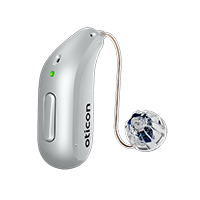
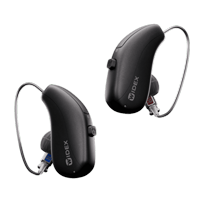
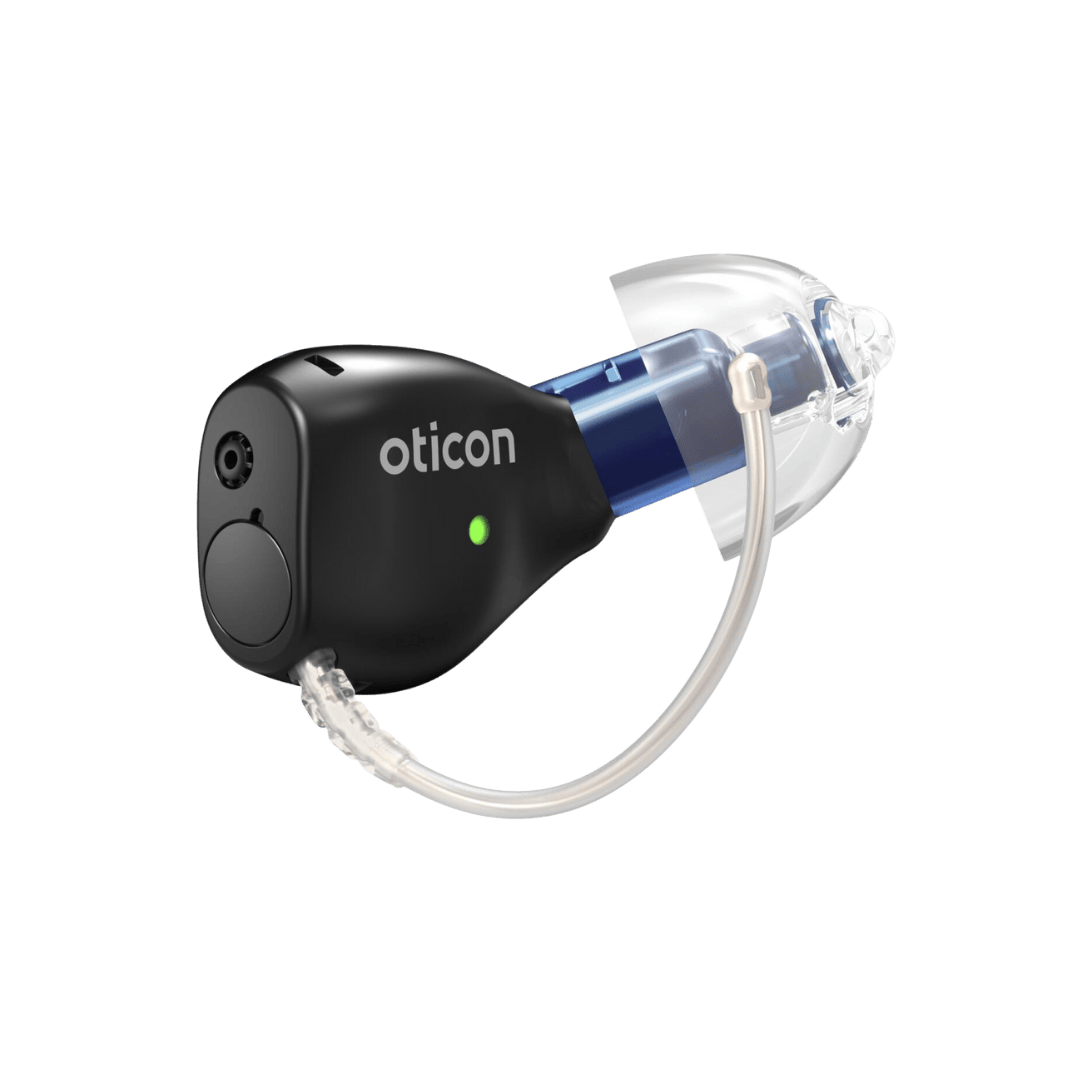
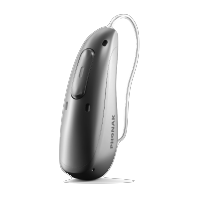
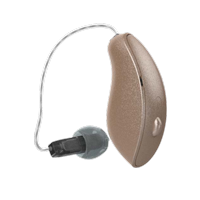
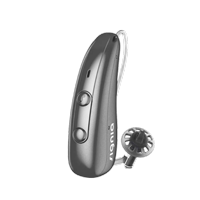
Hearing Aids for Tinnitus – Many people with hearing loss and tinnitus get significant relief
from hearing aids with tinnitus features. Our team works with leading
brands (see Hearing Aids by Brand) and can suggest specific
models that support tinnitus, such as
Widex Allure or
Oticon Intent. -
Sound Therapy – Customized sound generators, apps, or sound machines can help reduce the
contrast between tinnitus and silence. Learn more at
Sound Therapy for Tinnitus. -
Cognitive Behavioral Therapy (CBT) & Counseling – To address anxiety, fear, and negative
thought patterns around tinnitus, we may recommend
CBT for Tinnitus and
Coping with Tinnitus Anxiety. -
Tinnitus Retraining Therapy (TRT) – A structured program that combines sound therapy and
counseling to support habituation. See
Tinnitus Retraining Therapy (TRT). -
Advanced Options – In select cases, patients may be candidates for treatments like
Lenire. -
Lifestyle & Home Strategies – We’ll also discuss
Lifestyle & Diet Tips,
Tinnitus Relief Exercises, and
Managing Tinnitus at Night.
For a high-level view of your options, visit
Comprehensive Tinnitus Treatment Options and our article
Tinnitus Treatment Options in Palo Alto: What Actually Works?
.
After the Appointment: Follow-Up & Next Steps
Tinnitus care is a process, not a one-time event. After your initial visit, your plan may include:
- Follow-up visits to fine-tune hearing aid or sound therapy settings
- Check-ins to track progress with CBT, TRT, or anxiety management
- Adjustments to lifestyle and sleep strategies based on what you notice
- Referrals to other providers (ENT, TMJ specialist, mental health professional) when appropriate
Many patients also find support in community resources—see
Bay Area Tinnitus Support Groups and
Patient Success Stories for encouragement and real-world examples.
With the right tools and time, many people experience tinnitus habituation—
a process where the brain gradually learns to tune out the sound so it no longer feels threatening or front-and-center.
Your first appointment is the starting line, not the finish.
Frequently Asked Questions About Tinnitus Appointments
Plan for about 60–90 minutes for a full tinnitus evaluation, including history, hearing tests, tinnitus
measurements, and time to review results and next steps. If we are also fitting or adjusting hearing aids,
appointments may be scheduled a bit longer.
You don’t need to drastically change your routine for the appointment itself, but it’s helpful to notice how
caffeine or alcohol affect your tinnitus in daily life. For more detail, see
Does Caffeine Affect Tinnitus?
and
Could Drinking Alcohol Affect Your Hearing?
.
In many cases, we can start parts of your treatment plan right away—for example, beginning sound therapy,
discussing lifestyle and sleep strategies, or starting a hearing aid trial. For more complex cases, we may
coordinate with other specialists or schedule follow-up visits to fully implement your plan.
It’s completely understandable to feel anxious. We’ll take time to answer your questions and move at your
pace. Many patients find it helpful to read
Coping with Tinnitus Anxiety before the visit and bring a list of
concerns. You’re not expected to remember everything on the spot.
Bay Area Tinnitus Care at California Hearing Center
Whether you live in San Mateo, San Carlos, San Francisco, Palo Alto, or elsewhere in the Bay Area, you don’t have
to navigate tinnitus alone. Our audiologists combine advanced diagnostics, personalized counseling, and a full
toolbox of treatment options to help you move from fear and frustration toward understanding and control.
Helpful next pages to review:
Set Up Your FREE Hearing Consultation with an Expert Today
SEE A HEARING DOCTOR IN SAN MATEO
San Mateo – Main Office
88 N. San Mateo Drive
San Mateo, CA 94401
Phone: (650) 342-9449
Fax: (650) 342-4435