





Meniere's Disease and Tinnitus
Meniere's Disease and Tinnitus
Meniere’s disease often brings a difficult combination of symptoms: spinning vertigo, fluctuating hearing loss,
ear fullness, and loud, intrusive tinnitus. If you’ve heard this diagnosis—or suspect it—it’s normal to feel
overwhelmed.
What Is Meniere’s Disease?
Meniere’s disease is a chronic inner ear condition that typically affects one ear at first and is
associated with:
- Recurrent episodes of spinning vertigo (a sense that you or the room is moving)
- Fluctuating hearing loss, usually in the lower frequencies
- A feeling of fullness or pressure in the ear
- Tinnitus (ringing, roaring, or buzzing in the ear)
Many people describe Meniere’s episodes as “attacks” that can last anywhere from 20 minutes to several hours,
followed by periods of relative calm. Over time, hearing in the affected ear can move from fluctuating to more
consistently reduced.
Meniere’s is thought to involve abnormal fluid balance in the inner ear (endolymphatic hydrops), which affects
both hearing and balance structures. The exact cause is not always clear and may differ from person to person.
For an overview of tinnitus in general, you can also read
What Is Tinnitus? and
Tinnitus and Hearing Loss.
The Classic Symptom Cluster
While no two people are exactly alike, Meniere’s is often recognized by a pattern of symptoms:
Vertigo Episodes
Sudden attacks of spinning vertigo that may include nausea, vomiting, and a need to lie down. These episodes
can be very disruptive and may occur without warning.
Balance
Fluctuating Hearing Loss
Hearing in the affected ear may come and go, especially at lower pitches. Over time, hearing loss may become
more permanent. This can make speech sound distorted or muffled.
Muffled sound
Tinnitus (Ringing or Roaring)
Many people with Meniere’s report a loud roaring, rushing, or ringing sound in the affected ear—often
stronger during or just before a vertigo attack. This tinnitus can be particularly intrusive.
Ear noise
Ear Fullness or Pressure
A sensation of fullness, pressure, or blockage in the ear is common. It may feel similar to being on an
airplane or underwater, but without a quick way to “pop” the ear.
Fluid balance
These symptoms often occur together, but they can also change over the course of the condition. If you’re not sure
whether what you’re experiencing fits Meniere’s, a combination of medical and audiology evaluation can help.
How Meniere’s Disease Causes Tinnitus
In Meniere’s, tinnitus is usually a result of:
-
Inner ear fluid changes: Pressure and fluid imbalance can alter how the inner ear sends sound
information to the brain. -
Fluctuating hearing loss: As hearing shifts, the brain may “fill in” missing sound information
with ringing, roaring, or buzzing. -
Heightened nervous system sensitivity: The stress of vertigo attacks and uncertainty can make
tinnitus more noticeable and distressing.
Many patients describe Meniere’s-related tinnitus as:
- A low-frequency roaring or rushing sound
- Intermittent but intense ringing or buzzing, especially around episodes
- Often louder in the ear with hearing loss and fullness
If you’re trying to understand other tinnitus patterns you’ve noticed, explore
Types of Tinnitus Sounds and
Tinnitus in One Ear vs Both Ears.
How Meniere’s Disease Is Diagnosed
Diagnosis is typically made by an ENT (ear, nose, and throat) specialist or neurotologist, with critical input from
detailed hearing tests. There isn’t a single “Meniere’s test,” so providers look at a combination of:
1. Symptom & Medical History
Your provider will ask about vertigo episodes, duration, ear symptoms, tinnitus patterns, and other medical
conditions. Keeping a symptom journal can be very helpful.
2. Comprehensive Hearing Evaluation
Audiologists perform detailed hearing tests to look for patterns consistent with Meniere’s—especially
fluctuating low-frequency hearing loss in one ear. Learn more at
Comprehensive Hearing Tests and
Tinnitus Severity Assessment.
3. Balance & Vestibular Testing (When Indicated)
Specialized balance tests may assess how your inner ears and brain work together to keep you steady. These may
be ordered by your ENT or neurologist.
4. Imaging & Lab Work (If Needed)
In some cases, MRI, CT, or blood tests are used to rule out other inner ear or neurological conditions that
can mimic Meniere’s symptoms.
5. Ongoing Monitoring
Because symptoms can evolve, repeated hearing tests and follow-ups are often part of managing Meniere’s over
time.
For a general overview of what a tinnitus-focused visit looks like, read
What to Expect at Your Tinnitus Appointment.
Treatment Approaches & Tinnitus Management
Meniere’s disease is usually managed rather than “cured.” Treatment plans are tailored to you and may include:
-
Medical strategies guided by your ENT or physician, such as:
- Dietary adjustments (often lower sodium) and fluid management
- Medications to reduce vertigo episodes or manage nausea
- Injections or, in some cases, surgical procedures in more severe or persistent cases
-
Hearing and tinnitus strategies guided by your audiologist:
-
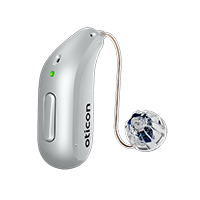
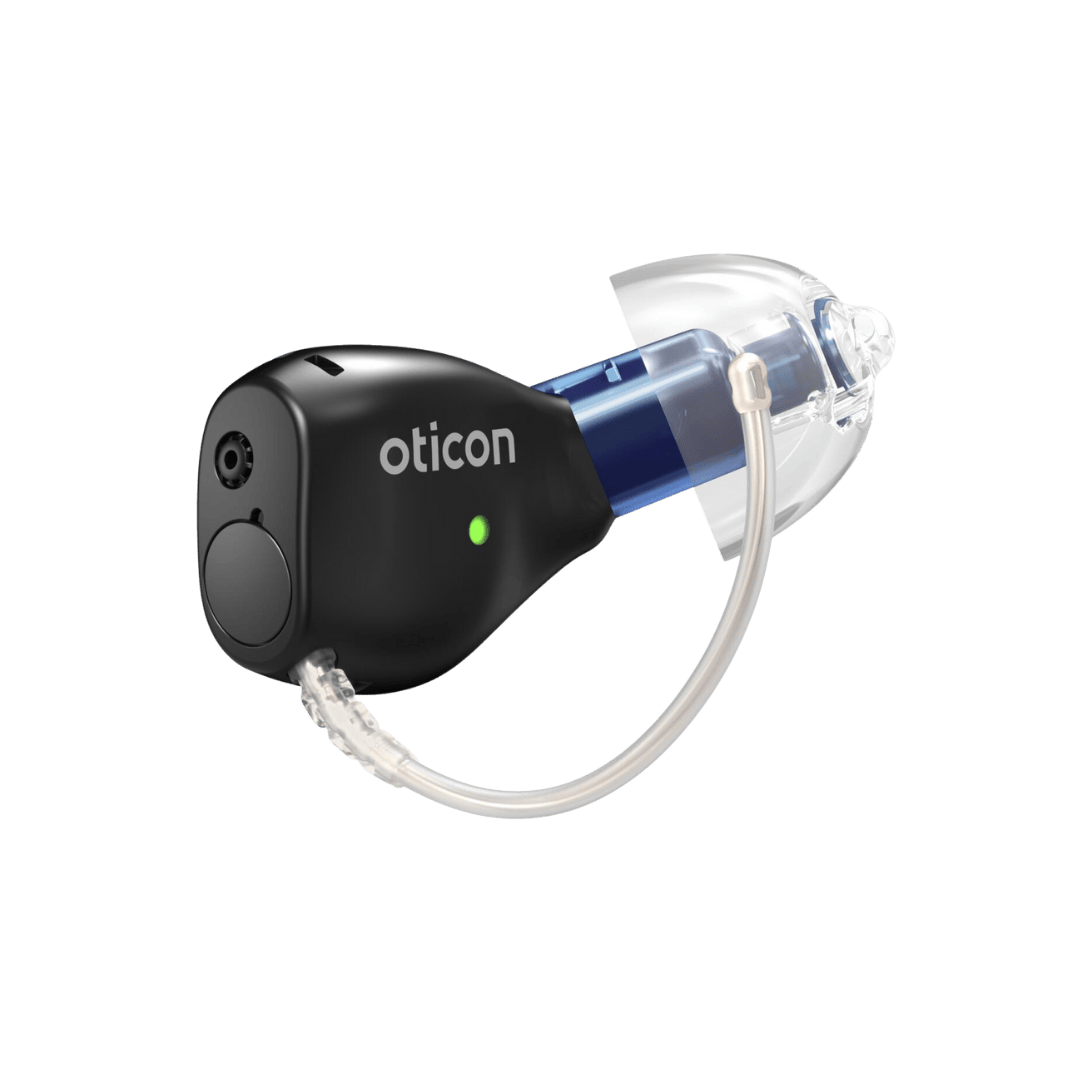
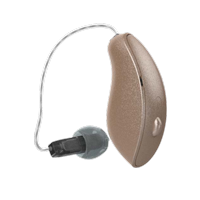
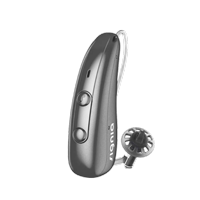
Hearing aids for tinnitus and Meniere’s-related hearing loss, often
with sound therapy features -
Sound therapy and background sound to soften the contrast with
tinnitus -
Tinnitus Retraining Therapy (TRT) to support
habituation -
CBT-informed counseling and
tinnitus anxiety management to reduce fear and distress
-
Hearing aids for tinnitus and Meniere’s-related hearing loss, often
-
Lifestyle and nervous system support:
-
Stress management and relaxation practices
(see
Best Relaxation Techniques for Tinnitus Relief
) - Attention to diet, hydration, sleep, and movement
-
Protecting your ears from loud noise
(see
Simple Steps to Protect and Preserve Your Hearing
)
-
Stress management and relaxation practices
Every case is different. Our role as audiologists is to help you optimize hearing and tinnitus
management while your medical team focuses on vertigo and inner ear health.
For a broader look at treatment tools, visit
Comprehensive Tinnitus Treatment Options and
Tinnitus Patient Success Stories.
Living with Meniere’s & Fluctuating Tinnitus
One of the hardest parts of Meniere’s is its unpredictability. On some days, you may feel fairly
stable; on others, vertigo, ear fullness, and tinnitus may suddenly flare.
Patients often find it helpful to:
- Keep a symptom diary noting vertigo episodes, tinnitus volume, diet, sleep, and stress levels
-
Build a “tinnitus toolkit”—sound apps, relaxation techniques, and coping strategies for nights
when tinnitus is louder
(see Managing Tinnitus at Night and
Best Tinnitus Relief Apps) -
Develop a flare-up plan with your providers so you know what to do when vertigo or tinnitus
spikes -
Seek support from family, friends, and others who understand living with inner ear conditions
(explore Bay Area Tinnitus Support Groups) -
Learn about tinnitus habituation—how the brain can gradually move tinnitus
into the background, even when it doesn’t fully go away
Many people with Meniere’s reach a point where, with the right supports, life feels larger than their
diagnosis. Our goal is to help you get there.
When Symptoms Are Urgent
- Sudden hearing loss in one ear, especially with loud new tinnitus
- Severe, new vertigo with neurological symptoms (weakness, numbness, trouble speaking, facial drooping)
- Persistent vomiting or inability to keep fluids down
- A dramatic change in symptoms different from your usual Meniere’s pattern
These symptoms do not always mean something dangerous is occurring, but they can overlap with conditions that need
prompt evaluation. When in doubt, err on the side of calling your doctor, an advice nurse, or emergency services.
For more context, see
When to See a Doctor About Tinnitus and
Sudden Tinnitus: Should I Go to the ER?.
Meniere’s Disease in Bay Area Patients
In the San Francisco Bay Area, we see Meniere’s across a wide range of patients—busy professionals, retirees,
parents, and students. Common themes include:
- High-stress jobs (tech, healthcare, education, finance) that magnify vertigo and tinnitus distress
- Commutes and urban noise that complicate balance issues and hearing challenges
- Multiple specialists involved—ENT, neurology, primary care, and sometimes mental health providers
Our clinics in San Mateo and
San Carlos regularly work with patients from across the Peninsula, San
Francisco, the East Bay, and the South Bay who are navigating Meniere’s and tinnitus together.
For more location-specific information, explore:
- Peninsula Tinnitus Treatment
- San Francisco Tinnitus Treatment
- East Bay – Oakland & Berkeley
- South Bay & San Jose Tinnitus Treatment
Next Steps with California Hearing Center
If you’ve been diagnosed with Meniere’s—or you suspect it may be playing a role in your vertigo and tinnitus—we
can help you:
- Document tinnitus and hearing changes over time
- Obtain comprehensive hearing tests and tinnitus assessment
- Coordinate with your ENT, neurologist, or primary care physician
- Explore hearing, sound therapy, and counseling options tailored to your symptoms
Before your visit, you may find it helpful to review:
Set Up Your FREE Hearing Consultation with an Expert Today
SEE A HEARING DOCTOR IN SAN MATEO
San Mateo – Main Office
88 N. San Mateo Drive
San Mateo, CA 94401
Phone: (650) 342-9449
Fax: (650) 342-4435