

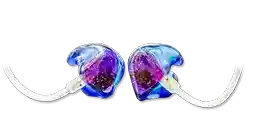

Hearing Aids for Tinnitus
Hearing Aids for Tinnitus: How Technology Can Help Quiet the Ringing
Modern hearing aids do far more than make things louder. For many Bay Area patients, they are the single most
effective tool for reducing tinnitus, improving hearing, and helping the brain tune out the constant noise.
Here’s how we use hearing aids as part of a complete tinnitus care plan.
Why Hearing Aids Help with Tinnitus
For most people, tinnitus and hearing loss are closely linked. When your ears stop sending a full, clear signal,
your brain turns up its internal “volume” and may start generating phantom sound—what you hear as ringing, buzzing,
or hissing. Hearing aids help by restoring that missing sound.
- More real sound in, less internal noise out. Amplification gives your brain something better to listen to.
- Built-in sound therapy. Many devices include tinnitus programs that gently mask or blend the ringing.
- Less strain. When you’re not working so hard to hear, tinnitus often feels softer and less intrusive.
- Supports long-term habituation. Over time, your brain can learn to classify tinnitus as background noise.
To understand the connection in more detail, visit
Tinnitus & Hearing Loss Connection and
Tinnitus Treatment Options. For a deeper dive, we also cover this in
Can Hearing Aids Help with Tinnitus? Insights for Palo Alto Residents
and Can Hearing Aids Help Tinnitus?.
Hearing aids are not a “cure” for tinnitus, but they are often the foundation of an effective
treatment plan—especially when combined with sound therapy, counseling, and lifestyle changes.
Who Is a Good Candidate for Hearing Aids as a Tinnitus Treatment?
You may benefit from tinnitus-focused hearing aids if:
- Your tinnitus is accompanied by any degree of hearing loss (even if you only notice it in noise)
- Voices sound muffled, especially in group settings or restaurants
- You turn up the TV or phone more than others need
- Tinnitus gets louder when things are quiet
- You feel exhausted from straining to hear during the workday
If you’re not sure whether you have hearing loss yet, a baseline evaluation is the best starting point. Learn more
at Hearing Testing and
Tinnitus Severity Assessment, or read
Do I Have Tinnitus? for early warning signs.
Key Hearing Aid Features for Tinnitus Patients
Not every hearing aid has the same feature set. When tinnitus is part of the picture, we look for specific tools
that make a real difference:
Integrated Tinnitus Programs
Built-in “maskers” or sound therapy programs can play gentle ocean noise, white noise, or custom sound shapes
designed to blend with your tinnitus and support habituation.
Advanced Noise Management
AI-driven sound processing helps separate speech from background noise, so you’re not fighting both tinnitus
and loud environments at the same time.
Custom, Fine-Grained Fitting
Precise frequency shaping lets us support the pitches where you have hearing loss and where your tinnitus is
most active.
Comfort for All-Day Wear
When devices are comfortable, it’s easier to keep them in during quiet times—exactly when tinnitus tends to be
loudest.
Rechargeable & Connected
Rechargeable batteries and Bluetooth streaming make it easier to use sound therapy apps, podcasts, and music
as part of your daily routine.
App Control & Remote Support
Mobile apps let us fine-tune programs for work, home, and sleep—and sometimes even adjust settings
remotely between visits.
During your visit, we’ll review which features make sense for you and how they fit into your overall
tinnitus treatment plan.
Best Hearing Aid Brands for Tinnitus Relief
California Hearing Center partners with leading manufacturers so we can match you with the right tools—not just
the “brand of the month.” Explore our full lineup at
Hearing Aid Brands, then dive deeper into specific options:
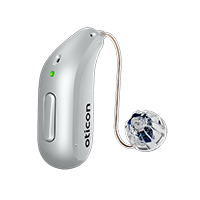
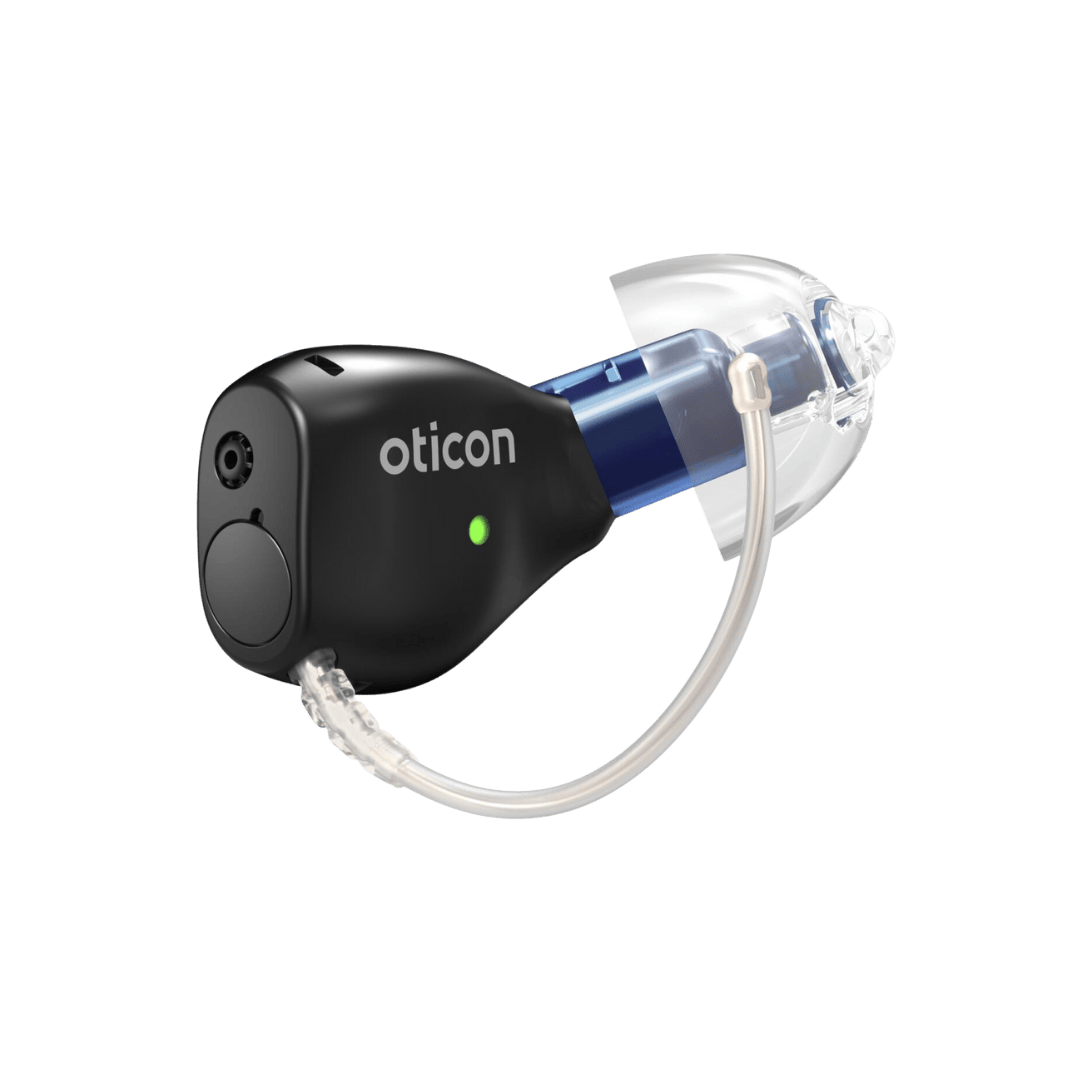
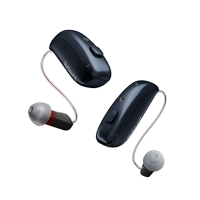
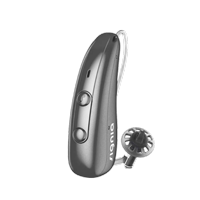
Oticon Intent
Oticon’s BrainHearing™ philosophy and Sirius platform focus on how your brain processes sound in real-life
situations. Oticon Intent uses
4D user-intent sensors to support conversation in complex environments—critical when tinnitus and hearing loss
collide.
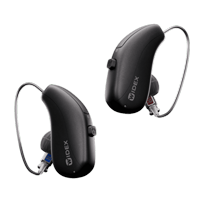
Widex Allure
Widex is known worldwide for tinnitus solutions and natural sound. The
Widex Allure with its W1 chip and tinnitus
features is a strong choice for patients who are particularly sound-sensitive.
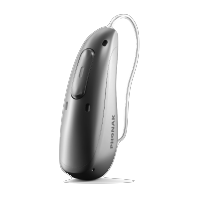
Phonak Infinio & Lyric
Phonak Infinio offers dual-chip,
AI-powered speech clarity—ideal when background noise makes tinnitus harder to ignore. For those wanting a
24/7, invisible solution, Phonak Lyric
sits deep in the ear canal and can be worn day and night for months at a time.
ReSound Vivia
ReSound Vivia uses deep neural network
processing to handle complex listening environments—helpful for patients whose tinnitus flares in noise, busy
offices, or social gatherings.
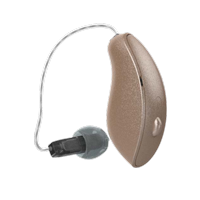
Starkey Edge AI
With the G2 Neuro Processor and wellness tools,
Starkey Edge AI can support both
hearing and overall health, including features that may indirectly help tinnitus by improving activity,
balance, and engagement.
Curious which platform might be the best fit? Our blog
Best Hearing Aids to Buy in 2025 and
Hearing Aids for Seniors provide additional context on how we think about
recommendations by age, lifestyle, and budget.
Invisible, Rechargeable & 24/7 Options
Style matters too—especially when you’re wearing your devices all day to help manage tinnitus. Popular options
include:
- Receiver-in-canal (RIC) – Most common style; comfortable, discreet, and flexible.
- In-the-ear (ITE/ITC/CIC) – Custom-molded to your ear for a very low-profile look.
- Invisible-in-canal (IIC) – Deep-fit options, nearly or completely invisible.
- Extended-wear (Lyric) – Placed deep in the canal and worn 24/7 for months at a time.
- Rechargeable styles – Full-day power with convenient charging cases.
If you’re especially bothered by tinnitus at night, extended-wear devices like
Phonak Lyric can be helpful because they remain
in place during sleep. For others, a combination of daytime hearing aids plus nighttime
sound therapy works best.
What to Expect from a Tinnitus-Focused Hearing Aid Fitting
A tinnitus-focused fitting is more than a quick device handoff. At California Hearing Center, your visit typically
includes:
- Comprehensive hearing testing and tinnitus assessment
- Discussion of your tinnitus history, triggers, and most challenging times of day
- Selection of appropriate style and technology level based on your goals and budget
- Precision fitting and verification, including real-ear measurements when appropriate
- Programming of tinnitus programs, sound therapy options, and app profiles
- Coaching on how to use your devices in quiet, noisy settings, and at bedtime
- Follow-up visits to review progress and fine-tune settings
To see what a full tinnitus visit looks like, read
What to Expect at Your Tinnitus Appointment and
Understanding Tinnitus Habituation.
Costs, Insurance & Trial Periods
We know cost is a real concern—especially when you’re not just buying “a device,” but investing in long-term
tinnitus relief. During your consultation, we will:
- Review your hearing test results and treatment priorities
- Discuss technology options at different price points
- Check insurance benefits and financing options
- Explain trial periods and adjustment timelines
- Map out follow-up care so you know exactly what’s included
Our goal is to match you with hearing aids that make a meaningful difference for both your hearing and your
tinnitus—not just the most expensive option on the shelf.
Common Questions About Hearing Aids and Tinnitus
Some patients experience near-complete relief, especially when tinnitus is driven by untreated hearing loss.
For others, hearing aids significantly reduce the loudness and impact of tinnitus even if they don’t erase it
entirely. Over time, many patients say the ringing fades into the background and stops ruling their day.
Not all devices are created equal. We often recommend premium or mid-level technology with robust tinnitus and
noise processing features, programmed specifically for your hearing and tinnitus profile. The brand that works
best for you may be different from a friend’s or family member’s choice.
We sometimes see patients whose standard hearing tests look normal, but they still benefit from sound therapy,
mild amplification, or other tinnitus tools. In these cases we may place more emphasis on
anxiety management,
sleep strategies, and
CBT-based approaches.
Some patients notice a difference within days or weeks; for others, improvement builds gradually over several
months as the brain adapts. We’ll set realistic expectations and schedule follow-up visits to support you
through the adjustment period. If you’re wondering about long-term outlook, see
Is My Tinnitus Permanent? and
Can Tinnitus Go Away on Its Own?.
Next Steps for Bay Area Patients
If you’re ready to see whether hearing aids could help with your tinnitus, the first step is a focused tinnitus
and hearing evaluation. From there, we’ll walk you through which brands, styles, and programs best match your
hearing profile, tinnitus pattern, and daily life.
You can also explore:
Set Up Your FREE Hearing Consultation with an Expert Today
SEE A HEARING DOCTOR IN SAN MATEO
San Mateo – Main Office
88 N. San Mateo Drive
San Mateo, CA 94401
Phone: (650) 342-9449
Fax: (650) 342-4435