




Tinnitus
Tinnitus Causes & Triggers: Why Your Ears Are Ringing
Tinnitus rarely appears “out of nowhere.” This guide explains the most common causes and day-to-day triggers
of tinnitus, plus when to seek help from a Bay Area tinnitus specialist.
Overview: What Actually Causes Tinnitus?
Tinnitus is a symptom, not a disease. It’s your body’s way of signaling that something in your
hearing system—or elsewhere in your body—needs attention. For some people, the cause is obvious (like a loud
concert); for others, it’s more complex and involves multiple factors.
Common underlying causes include hearing loss, noise exposure, earwax, ear infections, jaw or neck problems,
circulatory changes, certain medications, and even stress. You can learn more about the basics in
What is Tinnitus? and how it sounds in
Types of Tinnitus Sounds.
Identifying why your tinnitus started (or what keeps it going) is the first step toward relief. Even
when we can’t pinpoint one single cause, we can almost always find contributing factors that are treatable or
manageable.
How Tinnitus Develops in the Ear & Brain
For many people, tinnitus begins when the delicate hair cells inside the inner ear become damaged. That damage
can come from aging, noise exposure, illness, or injury. Once those cells are affected, the brain receives less
accurate sound information.
In response, the brain may “turn up the gain” to compensate, creating phantom sounds to fill in missing
information. This is why tinnitus is often linked with
hearing loss and why
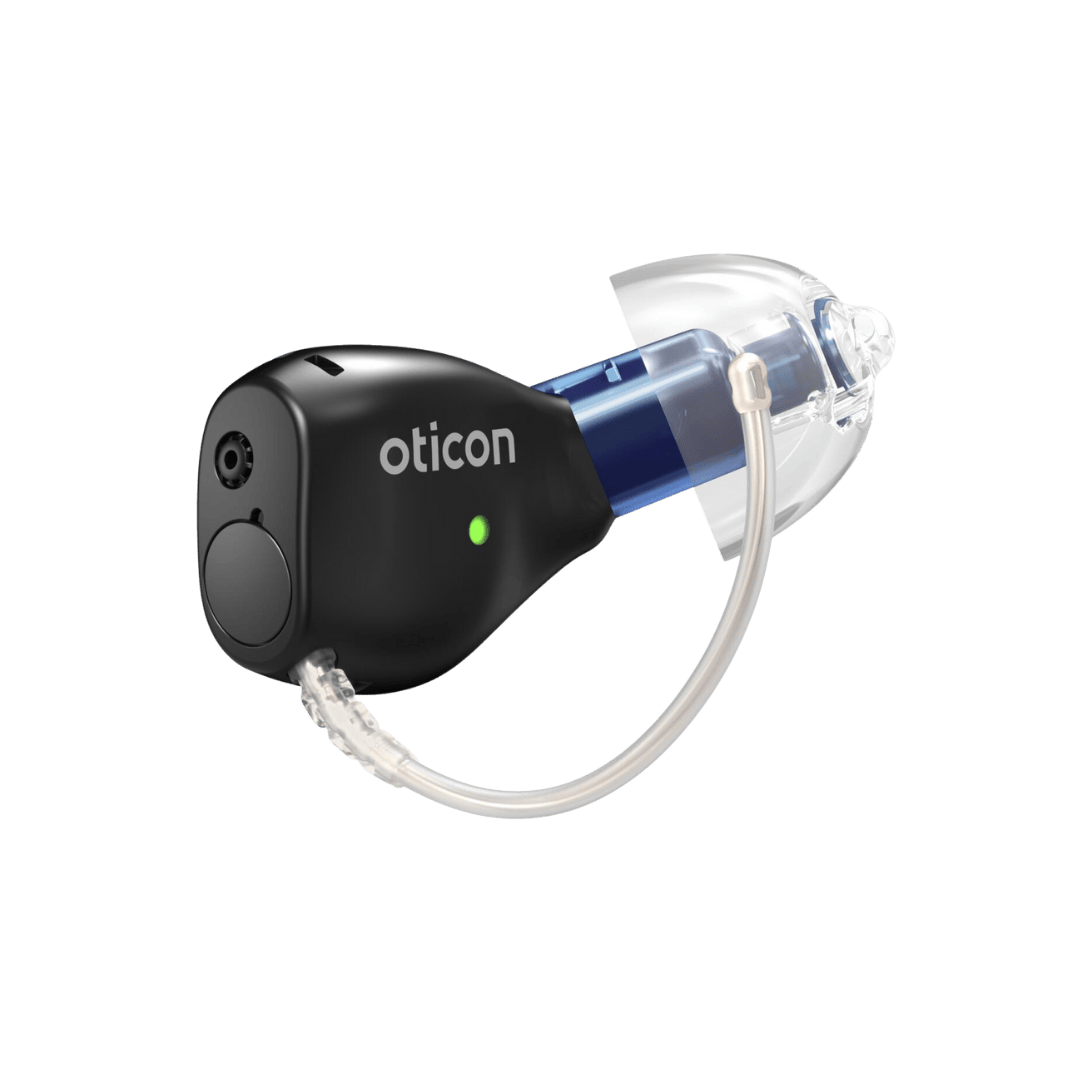
hearing aids for tinnitus can be so effective—they restore sound the brain
expects to hear.
To dive deeper into how the brain processes tinnitus and why some people are more bothered than others, see:
Do I Have Tinnitus? and
Could the Severity of Tinnitus Originate in the Brain?
Most Common Causes of Tinnitus
At California Hearing Center, we see a consistent set of causes and contributors when Bay Area patients come in
with tinnitus. Often, there is more than one factor.
Noise-Induced Hearing Loss
Repeated exposure to loud sounds—from concerts, clubs, power tools, or headphones—can permanently damage
inner ear cells. Many patients notice temporary ringing after loud events; over time, these episodes can
become chronic tinnitus. Learn more in
Noise Pollution and Hearing Health.
Age-Related Hearing Changes
As we age, the inner ear gradually becomes less sensitive, especially to high-pitched sounds. The brain may
“fill in the gaps” with tinnitus, which is why ringing is so common in older adults.
Earwax Buildup
Excess earwax can block the ear canal and put pressure on the eardrum, causing tinnitus and muffled hearing.
This is usually very treatable with professional
earwax removal. Learn more at
Can Earwax Cause Tinnitus?
Ear Infections & Middle Ear Problems
Fluid behind the eardrum, middle ear infections, or eustachian tube problems can all create a sense of
fullness, muffled hearing, and temporary tinnitus. Once the underlying issue is treated, tinnitus often
improves.
Sudden Hearing Changes
Sudden sensorineural hearing loss, especially in one ear, is a medical urgency and frequently includes
tinnitus. If you notice sudden hearing loss with new ringing, visit
Sudden Tinnitus: Should I Go to the ER? and seek prompt care.
Unilateral (One-Ear) Tinnitus
Tinnitus in one ear only can be related to asymmetrical hearing loss, inner ear disorders, or—in rare
cases—tumors on the hearing nerve. Learn more in
Tinnitus in One Ear vs Both Ears and our in-depth guide
Ringing in One Ear: Understanding Unilateral Tinnitus.
Medical & Neurological Conditions
Tinnitus can also be linked to broader medical conditions that affect the ear, circulation, or nervous system.
Inner Ear Disorders
-
Meniere’s disease: An inner ear disorder that can cause roaring tinnitus, vertigo, and
fluctuating hearing. Visit Meniere’s Disease and Tinnitus to learn more. -
Hyperacusis: Increased sensitivity to sound that can accompany tinnitus and make everyday
noises painful. See Hyperacusis: What Is It and What Can I Do?
Jaw, Neck & Musculoskeletal Issues
Problems with the jaw joint (TMJ), neck tension, or posture can alter the way nerves and muscles around the ear
fire, leading to somatic tinnitus—tinnitus that changes when you move your jaw or neck.
- Jaw clenching, grinding, or TMJ disorders (see TMJ and Tinnitus Connection)
- Neck injuries or whiplash
- Chronic muscle tension from desk or computer work
Cardiovascular & Blood Flow Changes
When tinnitus sounds like a whooshing or pulsing in time with your heartbeat, we call it
pulsatile tinnitus. Possible contributors include:
- High blood pressure or hypertension
- Narrowed or irregular blood vessels near the ear
- Structural variations in the veins or arteries of the head and neck
Other Systemic Factors
- Thyroid disorders
- Diabetes or other conditions that affect circulation
- Autoimmune disorders involving the ear
You should seek prompt medical evaluation if tinnitus appears suddenly, is only in one ear, is clearly
pulsatile, or occurs with sudden hearing loss, severe dizziness, facial weakness, or intense headache. Learn
more in When to See a Doctor About Tinnitus.
Medications & Ototoxic Drugs
Certain medications are known to be ototoxic, meaning they can affect the inner ear or hearing
nerve. In some people, this leads to tinnitus, hearing loss, or both.
Examples include:
- Very high doses of aspirin or other salicylates
- Some chemotherapy drugs
- Certain antibiotics (especially aminoglycosides)
- Some diuretics and heart medications
Never stop a prescribed medication without talking to your physician first. Instead, ask whether a different
drug or dose might be appropriate. For a deeper dive, see
Medications That Cause Tinnitus.
If you’re wondering specifically about hearing aids and tinnitus relief, visit:
Can Hearing Aids Help Tinnitus? and
Can Hearing Aids Help with Tinnitus? Insights for Palo Alto Residents
.
Lifestyle Triggers That Make Tinnitus Worse
Even when the underlying cause is stable, day-to-day triggers can make tinnitus louder or more noticeable.
Many Bay Area patients report fluctuations based on:
- Stress and anxiety – A major amplifier of tinnitus perception
- Poor sleep – Short or fragmented sleep often makes tinnitus louder the next day
- Caffeine and alcohol – For some people, these increase tinnitus loudness
- Salt intake – Can worsen inner ear fluid issues in conditions like Meniere’s
- Noise exposure – Crowded restaurants, concerts, or loud tools can cause flares
- Jaw clenching or neck tension – Common with high-pressure work or long commutes
For a detailed look at the stress connection, see:
Can Stress Make Tinnitus Worse? What Atherton Patients Should Know
and our overview page
Stress and Tinnitus.
We also cover practical coping strategies in:
Coping with Tinnitus Anxiety,
Lifestyle & Diet Tips, and
Tinnitus Relief Exercises.
Can Tinnitus Be Prevented or Reduced?
Not every cause of tinnitus is preventable, but there is a lot you can do to lower your risk and protect your
ears moving forward.
Protect Your Ears
- Use ear protection at concerts, sporting events, and when using power tools
- Turn down the volume on headphones and follow “60/60” guidelines (60% volume, 60 minutes max)
- Give your ears time to rest after loud exposure
Support Your Overall Health
- Manage blood pressure, diabetes, and cardiovascular risk factors
- Maintain good sleep habits and regular exercise
- Limit nicotine, excess caffeine, and heavy alcohol use
If you already have tinnitus, working on these areas can reduce flare-ups and improve how your brain adapts
to the sound. Our article Can Tinnitus Go Away on Its Own?
explains which cases are more likely to improve over time.
When the Cause Isn’t Clear
Sometimes, even after thorough testing, we don’t find one single “smoking gun.” Instead, tinnitus can be the
result of several smaller factors:
- Subtle hearing changes
- Long-term noise exposure
- Stress and sleep issues
- Jaw or neck tension
The good news: you don’t need a perfect explanation before you can get help. Modern tinnitus
care focuses on both the underlying factors and the way your brain responds to tinnitus. With the right plan,
most people experience meaningful relief and better quality of life.
If you’re still unsure whether what you’re hearing “counts” as tinnitus, start with:
Do I Have Tinnitus?
Next Steps: Evaluation & Treatment Options
If you’re noticing new or worsening tinnitus, the most important next step is a
comprehensive hearing evaluation and tinnitus assessment. During your
visit, we’ll:
- Review your symptoms, history, and potential causes
- Perform detailed hearing tests and tinnitus pitch/loudness matching
- Screen for red-flag signs that may require medical imaging or ENT referral
- Discuss treatment options like sound therapy and counseling
- Explain how hearing aids for tinnitus and tools like
tinnitus relief apps can fit your lifestyle
To see how the evaluation fits into the bigger picture, read:
What to Expect at Your Tinnitus Appointment and our
Comprehensive Tinnitus Treatment Overview.
Set Up Your FREE Hearing Consultation with an Expert Today
SEE A HEARING DOCTOR IN SAN MATEO
San Mateo – Main Office
88 N. San Mateo Drive
San Mateo, CA 94401
Phone: (650) 342-9449
Fax: (650) 342-4435