




Can Tinnitus Go Away on Its Own?
Can Tinnitus Go Away on Its Own?
If you’ve recently noticed ringing, buzzing, or whooshing in your ears, one of the first questions is often:
“Will this go away by itself?” The honest answer is: sometimes yes, sometimes no—depending on what’s causing it.
The Short Answer: Can Tinnitus Go Away on Its Own?
Yes, tinnitus can go away on its own in some cases—especially when it’s triggered by a short-term
event like a loud concert, a temporary ear infection, or a wax blockage.
But tinnitus can also become long-lasting (chronic), particularly when it’s related to permanent
inner ear damage, ongoing noise exposure, or certain medical conditions.
A key point: even when tinnitus doesn’t fully disappear, many people reach a point where it feels
much less noticeable and upsetting. This process is called
tinnitus habituation.
More likely to fade: brief noise exposure, mild ear infection, temporary earwax, new medication that’s adjusted.
More likely to stick around: long-term noise exposure, age-related hearing loss, longstanding medical conditions.
To understand the bigger picture, also see
Is My Tinnitus Permanent? and
Tinnitus Causes & Triggers.
When Tinnitus Is Likely to Be Temporary
Some types of tinnitus are often short-lived, especially if the underlying trigger is reversible. Common
examples include:
After a Loud Event (Concert, Game, Fireworks)
Many people notice ringing after a loud night out or a big event. If your ears are just “stunned,” the tinnitus
may fade over hours to a few days as your ears recover. This is a sign your ears were pushed hard—and it’s a
warning to protect them going forward. See
Simple Steps to Protect and Preserve Your Hearing.
Earwax Buildup or Blockage
A full or blocked feeling in the ear with new tinnitus can point to earwax issues. When wax is safely removed
by a professional, the tinnitus often improves or disappears. Learn more:
Can Earwax Cause Tinnitus?.
Temporary Ear Infection or Fluid
Middle ear infections and fluid can cause pressure, muffled hearing, and tinnitus. Once the infection clears
and the fluid drains, tinnitus may resolve—though some people notice lingering ringing for a short time as
their hearing stabilizes.
Recent Medication Changes
Some medications are known to trigger or worsen tinnitus. Sometimes tinnitus improves when the dose is
adjusted or the medication is changed under medical supervision.
See Medications That Cause Tinnitus.
Even when tinnitus is likely to be temporary, it’s still a good idea to protect your hearing and schedule a
baseline evaluation—especially if the ringing is intense, one-sided, or accompanied by other symptoms.
See When to See a Doctor About Tinnitus.
When Tinnitus May Become Chronic
Tinnitus is more likely to stick around when the underlying change in your auditory system is permanent or
long-standing, such as:
- Ongoing noise exposure from work, headphones, or loud hobbies
- Age-related hearing loss (presbycusis)
- Long-term medical conditions affecting hearing or blood flow
- Jaw or neck issues such as TMJ disorders – see
TMJ and Tinnitus Connection - Inner ear disorders such as
Meniere’s Disease and Tinnitus
In these situations, tinnitus often does not completely disappear—but it can become much less noticeable
with the right combination of treatment and coping strategies. Understanding the relationship between tinnitus and
hearing loss can help:
Tinnitus and Hearing Loss.
Typical Timelines: Hours, Weeks, Months
Every ear and every brain is different, but here’s a general framework Bay Area patients often find helpful:
Hours to a Few Days
Common after a loud event or brief noise exposure. If tinnitus is gradually fading over several days—and you
avoid additional loud noise—that can be a reassuring sign. This may still indicate some damage, so future
hearing protection is important.
Several Weeks
When tinnitus is related to infections, temporary fluid, or some medication changes, improvement may unfold
over weeks. If tinnitus persists beyond a couple of weeks, schedule a hearing evaluation.
3–6 Months
Tinnitus lasting three months or more is often called “chronic.” At this point, we shift focus from “Will this
vanish?” to “How do we reduce its impact on your life?” Treatment and habituation strategies become especially
important. Learn more in Understanding Tinnitus Habituation.
Beyond 6 Months
Long-standing tinnitus may still change over time, but complete disappearance is less likely. The good news is
that many people report a dramatic reduction in distress, better sleep, and improved focus with the right
support—see Tinnitus Success Stories.
Factors That Influence Whether Tinnitus Fades
Several factors affect whether tinnitus is likely to go away or become an ongoing background sound:
-
Cause of the tinnitus
Reversible causes (earwax, infection, temporary noise) behave differently than permanent inner ear damage.
See Tinnitus Causes & Triggers. -
Degree of hearing loss
When hearing loss is present, the brain receives less sound and may “fill in the gaps” with tinnitus. Treating
hearing loss with hearing aids can significantly reduce tinnitus for many
people—see
Can Hearing Aids Help with Tinnitus?
. -
Ongoing noise exposure
Continued exposure to loud noise (headphones, tools, concerts) can aggravate tinnitus and reduce the chance
it fades. -
Stress, sleep, and overall health
High stress, poor sleep, caffeine, alcohol, and other lifestyle factors can amplify how loud tinnitus feels.
Helpful reads:
Coping with Tinnitus Anxiety,
Managing Tinnitus at Night,
Does Caffeine Affect Tinnitus?,
and Could Drinking Alcohol Affect Your Hearing?. -
Your emotional response
Fear and worry are understandable—but constantly “checking” the sound can keep your brain focused on it.
This is where CBT-based tools and
relaxation techniques
are powerful.
What You Can Do Right Now
Even if you’re not sure whether your tinnitus will go away, there are practical steps you can take today:
1. Protect Your Ears from Further Damage
Turn down the volume, limit headset use, avoid loud environments when possible, and wear ear protection at
concerts, games, or when using tools. See
Simple Steps to Protect and Preserve Your Hearing.
2. Add Gentle Sound in the Background
Soft fans, sound machines, calming music, or tinnitus apps can help reduce how “loud” the ringing feels,
especially in quiet rooms. Explore ideas in
Sound Therapy and
Best Tinnitus Relief Apps.
3. Support Sleep and Stress
Work on winding down before bed, keeping a regular sleep schedule, and using relaxation techniques. Helpful
guides include Managing Tinnitus at Night and
Coping with Tinnitus Anxiety.
4. Schedule a Tinnitus & Hearing Evaluation
A professional evaluation gives you clarity: what’s likely causing your tinnitus, whether hearing loss is
present, and what treatment options make sense. Learn what happens during the visit in
What to Expect at Your Tinnitus Appointment.
If you’re curious how severe your tinnitus feels compared to others, you can also complete our
Tinnitus Severity Assessment before your appointment.
Red Flags: When Not to “Wait and See”
- Tinnitus appears suddenly with sudden hearing loss in one or both ears
- Tinnitus is clearly only in one ear
- You have tinnitus with severe dizziness, vertigo, or balance problems
- You hear a whooshing sound in time with your heartbeat (pulsatile tinnitus)
- Tinnitus begins after a head or neck injury
- You have tinnitus with severe headache, facial weakness, or vision changes
These situations may signal medical issues that need prompt attention. For more detail, review:
When to See a Doctor About Tinnitus and
Sudden Tinnitus: Should I Go to the ER?.
Treatment, Habituation & Feeling Better
Even when tinnitus doesn’t completely vanish, many people reach a place where it is:
- Quieter or less intrusive
- Less emotionally upsetting
- Less noticeable during work, conversations, and sleep
This happens through a combination of:
- Treating underlying issues (hearing loss, earwax, medical conditions)
- Using technology like
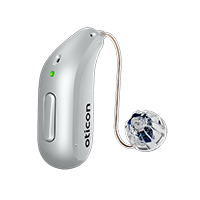
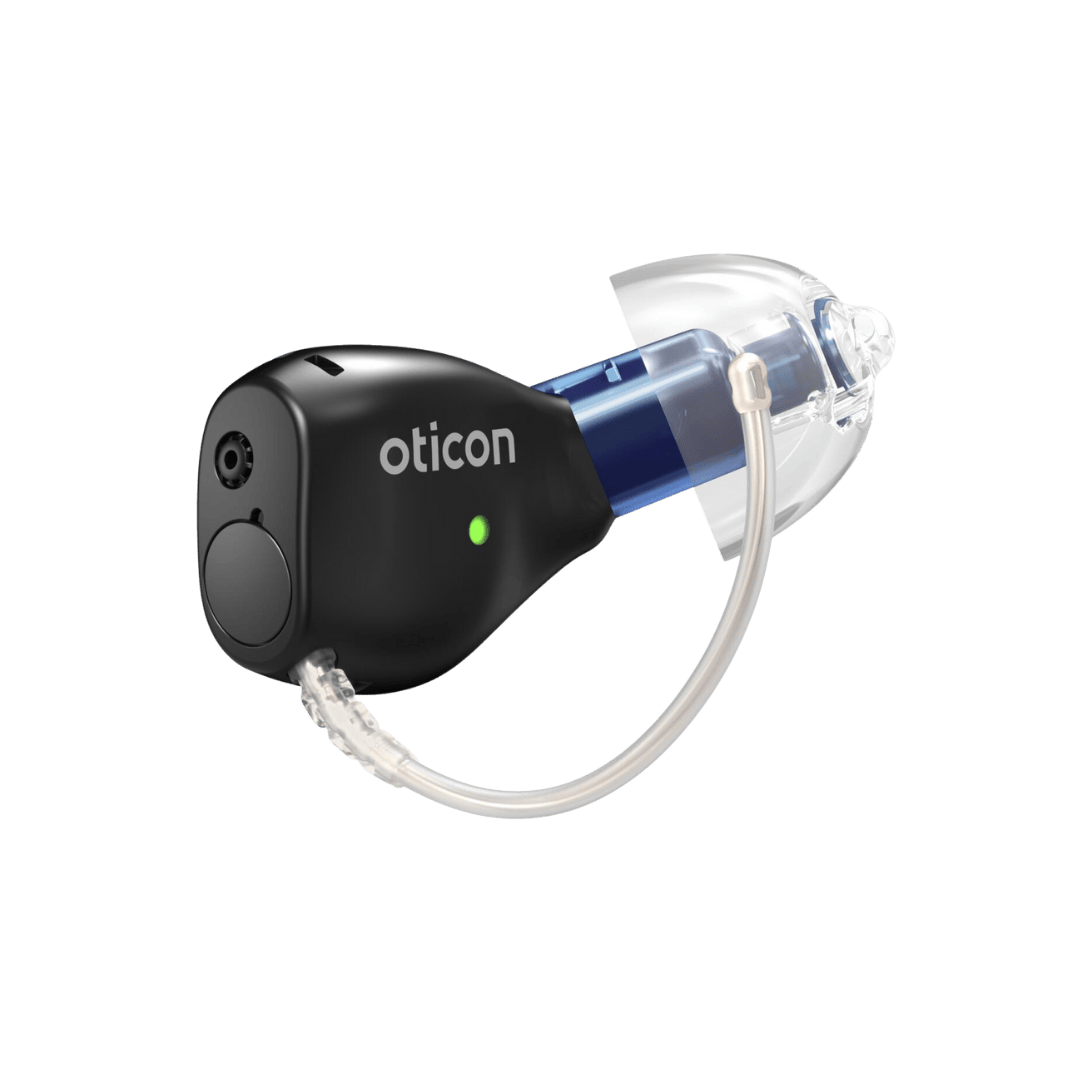
hearing aids for tinnitus and
sound therapy - Retraining your brain’s response through
Tinnitus Retraining Therapy (TRT) and
CBT-based strategies - Improving sleep and stress with steps from
Managing Tinnitus at Night and
Best Relaxation Techniques for Tinnitus Relief
- Finding support via
Bay Area Tinnitus Support Groups when appropriate
For a big-picture overview of treatment paths, visit
Comprehensive Tinnitus Treatment Options.
For some Bay Area patients, tinnitus physically decreases or disappears. For many others, the sound may still
be there—but it gradually moves to the background. Your brain learns to treat it like a refrigerator hum or
distant traffic, something you notice less and less. That’s still a powerful form of “getting your life back.”
Learn more in Understanding Tinnitus Habituation and
Tinnitus Patient Success Stories.
Next Steps with California Hearing Center
If you live in the Bay Area and are wondering whether your tinnitus will go away, you don’t have to guess alone.
Our doctor-level audiologists in San Mateo and San Carlos can:
- Identify likely causes of your tinnitus
- Check for hearing loss or other ear issues
- Explain whether your tinnitus is more likely temporary or chronic
- Outline a clear, personalized plan so you know what to do next
Before your appointment, you might also want to read:
Set Up Your FREE Hearing Consultation with an Expert Today
SEE A HEARING DOCTOR IN SAN MATEO
San Mateo – Main Office
88 N. San Mateo Drive
San Mateo, CA 94401
Phone: (650) 342-9449
Fax: (650) 342-4435