



If you work in Bay Area tech and notice your tinnitus gets louder when stress spikes, you’re not imagining it.
At California Hearing Center in San Mateo and San Carlos, and in our partner clinic Alaska Hearing & Tinnitus Center (All Ears Alaska), we see the same pattern again and again: patients from San Francisco, Palo Alto, Mountain View, Redwood City, Oakland, and across the Bay Area whose tinnitus burden is driven less by noise exposure — and more by relentless pressure, anxiety, and no real downtime.
As tinnitus specialist Dr. Emily E. McMahan, AuD often notes, many California patients aren’t just asking “What sound damaged my ears?” They’re asking, “Why can’t my brain ever turn off?”
This article breaks down how stress and tinnitus feed each other, why Bay Area tech life is such a perfect storm, and what you can do if you’re a tinnitus tech worker who’s tired of feeling trapped in that loop.
Can stress really make tinnitus worse?
Short answer: yes.
Stress doesn’t “create” tinnitus out of nowhere in most cases — there’s usually an underlying trigger such as hearing changes, noise exposure, or other health factors. But stress and anxiety absolutely influence:
- How loud tinnitus feels (your perception of intensity).
- How often you notice it (your brain’s focus and attention).
- How upsetting it is (your emotional and nervous system response).
When you’re under chronic stress, your nervous system lives closer to “fight-or-flight.” The brain becomes more alert, scanning for anything unusual — including internal noise. Tinnitus moves from background static to front-row center.
If you want more background on the brain side of this, see our article on tinnitus habituation and how the brain can learn to tune tinnitus out.
Why Bay Area tech workers are a perfect storm for stress-driven tinnitus
Here’s what we hear from patients working in San Francisco, Palo Alto, and the broader Bay Area tech and startup scene:
- “I’m never off — Slack, email, and on-call alerts follow me everywhere.”
- “The pressure to perform is constant; there’s always another sprint, launch, or deadline.”
- “Even when I’m home, my brain is still processing code, tickets, or incident reports.”
Combine that with:
- Long hours on headphones (meetings, music, white noise).
- Open office noise or co-working spaces (pre- and post-remote/hybrid).
- Caffeine, poor sleep, and irregular meals.
- High baseline anxiety around performance, layoffs, or stock price.
…and you get a nervous system that never really gets to settle. For many Bay Area patients, tinnitus isn’t just about what their ears hear — it’s about what their brain believes and how hard their life is pushing that system.
How stress and tinnitus create a vicious cycle
Once tinnitus shows up, stress can quickly create a feedback loop:
- You notice tinnitus more on a stressful day.
- You worry that stress is “making it worse forever.”
- That worry spikes anxiety and adrenaline.
- Your brain turns up its internal “monitoring” of tinnitus.
- Tinnitus feels louder and more constant.
Now you’re not just dealing with tinnitus — you’re dealing with tinnitus plus fear about tinnitus, which makes your brain lock onto it even more.
This is why a good tinnitus plan in the Bay Area doesn’t only look at the ears. It also looks at:
- Your workload and schedule.
- Your sleep and recovery.
- Your stress habits (caffeine, screen time, doom-scrolling, “revenge bedtime procrastination”).
- Your ability to say “no” and set boundaries.
Emily’s observation: Alaska vs. California tinnitus patients
Working with patients in both Anchorage and the Bay Area, Dr. Emily McMahan sees a striking difference:
- In Alaska, tinnitus is often driven by noise exposure (hunting, aviation, industrial work, heavy equipment) on top of hearing loss.
- In California, particularly among tech workers, tinnitus burden is often driven by stress, anxiety, and lack of recovery time just as much as (or more than) pure noise exposure.
That doesn’t mean tech workers don’t have hearing changes — prolonged headphone use and city noise absolutely play a role. But the emotional weight of tinnitus tends to be much heavier when your brain is already maxed out.
Her approach with Bay Area patients isn’t just “protect your ears,” it’s also: “We have to help your nervous system feel safe again.”
Why tinnitus often feels worse at night for stressed Bay Area brains
Many of our patients from San Mateo, San Francisco, and Palo Alto say the same thing:
“I’m busy enough during the day, but as soon as I lie down, my tinnitus explodes.”
Why does this happen?
- Daily noise, meetings, and tasks distract you from tinnitus.
- When things finally go quiet, your brain loses its distractions, and tinnitus is the loudest thing left.
- If you’re stressed, your brain sees bedtime as the first chance to “process” the day — and that thinking time often amplifies worry.
So when you pair:
- Silence (no external sound to “mask” tinnitus), and
- Racing thoughts about work, finances, relationships, or health,
…your brain naturally zeroes in on the one constant: that internal ringing, hissing, or buzzing.
We talk more about practical sleep and sound strategies in our Stress and Tinnitus guide.
Common signs your tinnitus is stress-driven
Every tinnitus case is unique, but these are red flags that stress and anxiety are major drivers for you:
- Your tinnitus spikes on deadline days, during layoffs, or when you’re on-call.
- It’s much louder at night when you’re replaying work in your head.
- Vacations or true breaks often bring a noticeable (even if the sound is still there).
- Caffeine, lack of sleep, or intense workouts late at night seem to make tinnitus more intrusive.
- You feel your heart race, chest tighten, or jaw clench when you become aware of tinnitus.
If several of these sound familiar, the question isn’t just “How do I fix my ears?” It’s also: “How do I calm my nervous system and change my relationship to this sound?”
What helps stressed Bay Area tinnitus patients most
At California Hearing Center, especially when we work alongside Dr. McMahan, we tend to focus on three pillars for stressed, anxious tinnitus patients:
1. Education: understanding what tinnitus is (and isn’t)
When you live in a high-pressure environment, not knowing what tinnitus is can be as stressful as the sound itself. Education can:
- Reduce catastrophic thinking (“This must mean I’m going deaf or something worse”).
- Explain why the brain locks onto tinnitus when it’s already overloaded.
- Show that improvement is possible, even if the sound doesn’t disappear overnight.
Start with our guide: What Tinnitus Really Is — And Why 80% of People Learn to Ignore It (or your local equivalent article).
2. Nervous system support: teaching your brain it’s safe
This might include:
- Gentle sound enrichment, especially at night (fans, sound apps, bedside sound generators).
- Breathing exercises, mindfulness, or short body scans before bed or during spikes.
- Simple “micro-breaks” during your workday (2–5 minutes of stepping away from screens to reset).
- Working with a therapist who understands anxiety, chronic symptoms, or health-related worry.
None of this is about “just relax” — it’s about teaching your nervous system that it doesn’t have to treat tinnitus as an emergency every time it shows up.
3. Tinnitus-specific care: sound therapy, hearing help, and Lenire®
Alongside general stress management, we may recommend:
- Structured tinnitus therapy (sound therapy + counseling) to guide you through habituation.
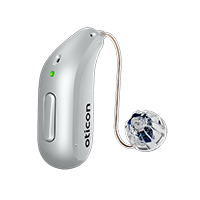
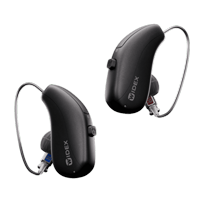
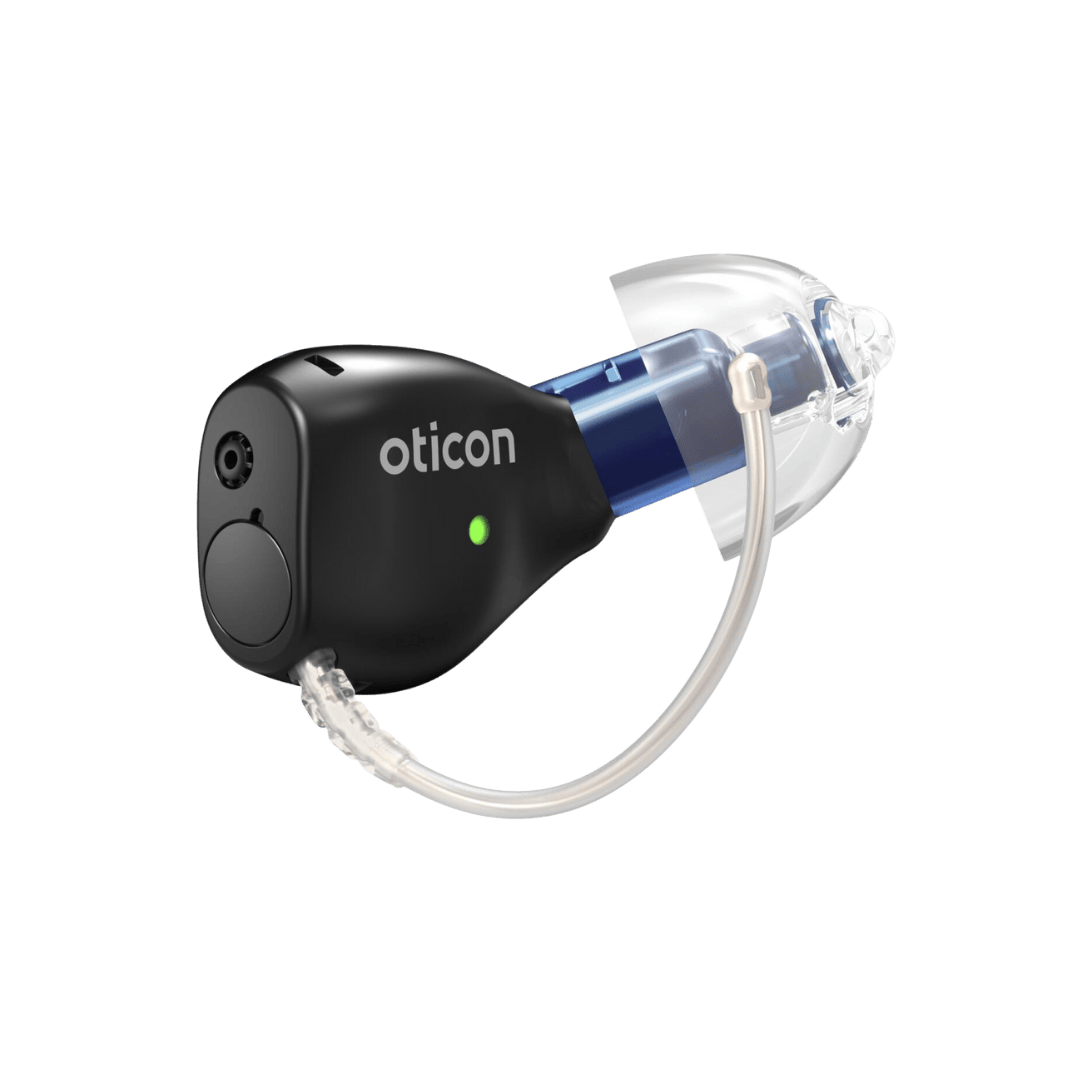
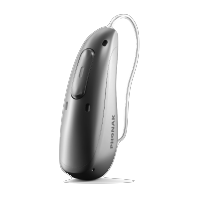
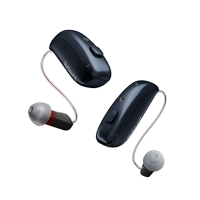
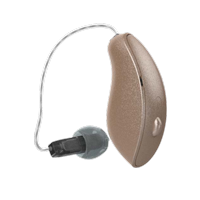
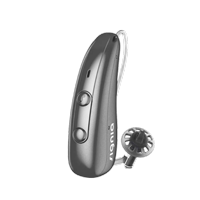
- Hearing aids if hearing changes are part of the picture — these can reduce tinnitus burden by restoring access to sound.
- Lenire® tinnitus therapy in our San Mateo tinnitus clinic, guided by Dr. Emily McMahan’s protocols, for patients who are good candidates.
To explore these options, visit our Tinnitus Therapy page and our Tinnitus Therapy & Lenire® in San Mateo — Featuring Dr. Emily McMahan.
Bay Area–specific lifestyle tweaks that make a difference
Here are small, realistic changes we’ve seen help Bay Area tech workers with tinnitus:
- Noise & headphones: Use noise-limiting settings or volume caps. Give your ears “headphone holidays.” Take calls on speaker when you can.
- Work boundaries: Create at least one “no Slack, no email” window daily, even if it’s just 30–60 minutes.
- Evening wind-down: Aim to be off intense work, news, or doom-scroll content 60 minutes before bed.
- Commute reframing (if you have one): Treat BART/Caltrain or driving time as decompression, not more screen time — audiobooks, music, or silence with gentle sound can help shift gears.
- Weekends with actual recovery: At least one block of time that isn’t “catch-up work,” but truly restorative for your body and brain.
These don’t cure tinnitus on their own, but together with proper tinnitus care, they reduce how much stress keeps pouring fuel on the fire.
Where to get help for stress & tinnitus in the Bay Area
If your tinnitus is intertwined with Bay Area life — tech deadlines, commute, hybrid work, cost-of-living stress — you don’t need yet another person telling you to “just relax” or “live with it.” You need a team that understands both tinnitus and your reality.
California Hearing Center offers tinnitus-focused care from our clinics in San Mateo and San Carlos, serving patients from:
- San Mateo County (San Mateo, Redwood City, Burlingame, Foster City, etc.).
- The greater Bay Area, including San Francisco, Palo Alto, Mountain View, and surrounding communities.
- Nearby cities like Atherton and Fremont.
Through our partnership with Dr. Emily McMahan, we also host specialized tinnitus & Lenire® clinics in San Mateo for those who may need more advanced options.
Ready to get your brain (and life) out of “always on” mode?
If your tinnitus feels welded to your stress level, your job, or your Bay Area lifestyle, there is a way forward that doesn’t require quitting your career or pretending nothing is wrong.
We can help you:
- Understand what’s driving your tinnitus.
- Separate what’s ear-related from what’s stress-related.
- Build a realistic plan that fits your life in tech, startups, or other high-pressure Bay Area work.
Take the next step:
- Request a Tinnitus Therapy appointment in San Mateo or San Carlos
- Explore our Tinnitus Knowledge Hub
- Read our Stress and Tinnitus guide
- Learn about Lenire® tinnitus therapy with Dr. Emily McMahan in San Mateo
Your brain doesn’t have to live in “always on” mode forever. With the right support, both your stress and your tinnitus can move out of the spotlight — so your life can step back in.