


Living With Hearing Loss
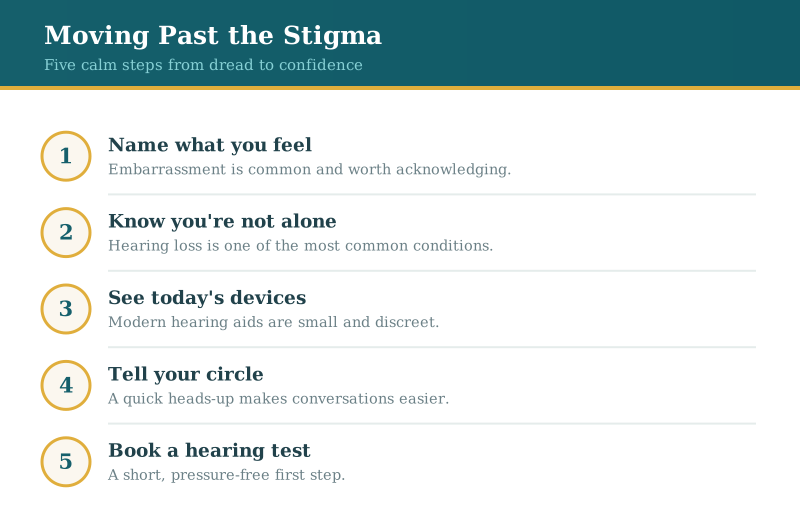
It helps to know how ordinary this is. Hearing loss is one of the most common health conditions people live with, and most people who could benefit from treatment take years to get around to it. You are not an outlier for feeling self-conscious. You are having a very normal reaction to an old set of ideas that no longer fit.
Almost every piece of the stigma buckles under a closer look. Devices are smaller and smarter than the memory most people carry. The people around you tend to respond with relief, not judgment. And once you can follow a conversation again, the thing you were embarrassed about quietly stops being the thing anyone notices. At our San Mateo and San Carlos offices, we see that shift happen all the time.
At a glance
- The stigma around hearing loss is mostly outdated, and it costs people years of easier hearing.
- Hiding hearing loss usually stands out more than treating it does.
- Modern hearing aids are small, discreet, and nothing like the bulky devices people remember.
- A short, pressure-free hearing evaluation is a practical way to take back control.
Where the stigma comes from
Most of it is inherited rather than earned. For generations, hearing loss was tied up with old age and frailty, and hearing aids were large, beige, and impossible to miss. Those associations stuck around long after the reality changed. Add the quiet fear that admitting a hearing problem means admitting you are slowing down, and you get a stigma that runs on assumptions, not facts. Naming that is the first step, because once you see the story you have been told, you can decide whether it still deserves to run the show.
The hidden cost of hiding it
Trying to conceal hearing loss takes real work, and it rarely works well. You nod along to things you did not catch, laugh a beat late, and steer clear of the noisy dinners and group calls where you might get caught out. People notice that pattern, and they often read it as aloofness or confusion rather than a hearing issue. So the effort spent hiding tends to create exactly the impression you were trying to avoid. Treating the hearing loss, oddly enough, is what makes it fade into the background.
Today's devices are not what you remember
If your mental image of a hearing aid is a bulky pink hook, that picture is decades out of date. Many of today's hearing aids sit discreetly in or behind the ear, and some are nearly impossible to spot in normal conversation. They connect to phones, stream calls and music, and adjust themselves as you move between quiet rooms and busy restaurants. Choosing among the current brands is less about hiding a medical device and more about picking the features that fit your life.
Telling the people around you
You do not owe anyone a formal announcement, but a short, matter-of-fact heads-up usually makes life easier. Letting a spouse, a friend, or a coworker know that you hear better when they face you, or in a quieter spot, turns a source of tension into a small shared adjustment. Most people are glad to help once they understand what is going on. The conversation you have been dreading is almost always shorter and kinder than the version you have rehearsed in your head.
How confidence comes back
The turnaround tends to be quicker than people expect. When a hearing aid fitting is done well, you stop straining to catch words and start following the actual conversation again. Jokes land in time. You speak up in groups because you are no longer guessing. Our patient reviews are full of that same arc: someone dreads being seen wearing hearing aids, then realizes within weeks that what they really feared was missing out. For older adults especially, treating hearing loss is far more about staying in the room than about the device on the ear.
A calm first step
You do not have to commit to anything to find out where you stand. A hearing evaluation is quick, comfortable, and comes with zero obligation to buy a thing. It simply tells you whether there is a loss, how much, and what your options are, so you can make a clear-eyed decision instead of a fearful one. If you have been putting this off, or nudging someone you love to look into it, our team will walk you through it gently and answer every question. You can reach us here whenever you are ready.
Frequently asked questions
What patients often want to know
Why do people feel embarrassed about hearing loss?
Much of it comes from old associations with aging and from the bulky hearing aids of the past. Those ideas linger even though the devices and the science have moved on. Feeling self-conscious is common, and it usually eases once you see how ordinary hearing loss is and how discreet today's options have become.
Are hearing aids really as noticeable as I think?
Usually far less. Many modern hearing aids tuck into or behind the ear and are hard to notice in everyday conversation. Ironically, straining to hear and mishearing people tends to draw more attention than a small, well-fit device ever would.
How do I bring it up with my family?
Keep it simple and practical. Let them know you hear best when they face you or when the room is quieter, and treat it as a small shared adjustment rather than a confession. Most people respond with relief, because they had already noticed and were unsure how to help.
What if I am not sure I even have hearing loss?
That is exactly what an evaluation is for. A hearing test is short, comfortable, and carries no obligation to buy anything. It gives you clear information about your hearing so you can decide what, if anything, you want to do next.