




Sudden hearing loss can be a frightening experience that leaves you wondering if you need immediate medical attention. Understanding when sudden hearing loss constitutes an emergency and knowing what steps to take can make the difference between permanent damage and successful recovery.
What is Sudden Sensorineural Hearing Loss?
Sudden sensorineural hearing loss (SSNHL) is a rapid loss of hearing that typically occurs in one ear over a period of 72 hours or less. This condition affects the inner ear or the auditory nerve pathway and is considered a medical emergency requiring prompt treatment. Unlike gradual hearing loss that develops over time, sudden hearing loss demands immediate attention from healthcare professionals.
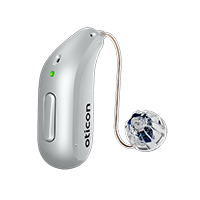
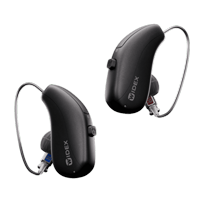
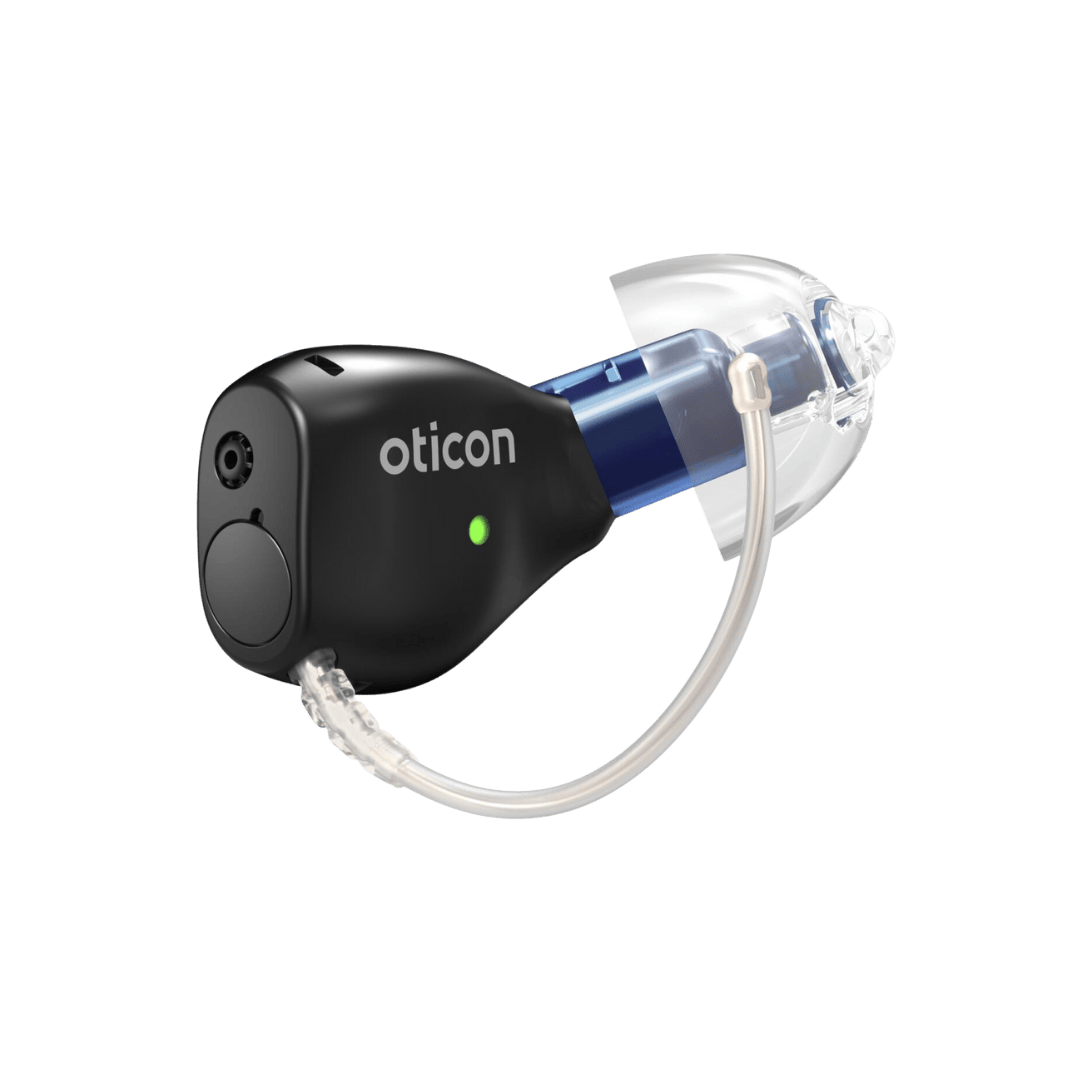
The condition can range from mild to profound hearing loss, and approximately 90% of cases affect only one ear. Early intervention is crucial, as delayed treatment can result in permanent hearing damage that may require long-term solutions such as hearing aid fitting.
Recognizing the Signs and Symptoms
Identifying sudden hearing loss symptoms quickly is essential for seeking timely treatment. The primary signs include:
- Rapid hearing loss in one or both ears within 72 hours
- Difficulty hearing conversations or environmental sounds
- Feeling of fullness or pressure in the affected ear
- Tinnitus (ringing, buzzing, or roaring sounds)
- Dizziness or balance problems
- Muffled hearing sensation
Many patients first notice the problem when they wake up in the morning or when they try to use the phone. If you experience these symptoms, it’s important to seek professional hearing testing immediately rather than waiting to see if the condition improves on its own.
When Sudden Hearing Loss is an Emergency
Sudden hearing loss emergency situations require immediate medical attention. Consider it an emergency if:
- Hearing loss occurs rapidly within 72 hours
- The loss is significant (30 decibels or more)
- Additional symptoms like severe dizziness or neurological signs are present
- Both ears are affected simultaneously
- You have a history of autoimmune disorders or recent head trauma
The reason for urgency is that treatment for sudden hearing loss is most effective when administered within the first 72 hours, though some patients may still benefit from treatment up to two weeks after onset.
Common Causes of Sudden Hearing Loss
Understanding the potential causes of sudden hearing loss can help you identify risk factors and seek appropriate treatment:
- Viral infections: Including herpes simplex, HIV, and influenza
- Autoimmune diseases: Such as Ménière’s disease or autoimmune inner ear disease
- Medications: Certain antibiotics, chemotherapy drugs, and high-dose aspirin
- Neurological conditions: Acoustic neuroma or multiple sclerosis
- Circulatory problems: Blood clots or sickle cell disease
- Head trauma: Injuries affecting the inner ear or auditory nerve
Surprisingly, about 90% of sudden hearing loss cases are classified as idiopathic, meaning the exact cause cannot be determined despite thorough medical evaluation.
Immediate Steps to Take
If you suspect sudden hearing loss, follow these immediate steps:
- Seek medical attention immediately: Contact your primary care physician or go to an emergency room
- Document your symptoms: Note when the hearing loss began and any accompanying symptoms
- Avoid loud noises: Protect your remaining hearing from further damage
- Don’t wait: Time is critical for effective treatment
- Schedule professional evaluation: Contact a hearing healthcare provider for comprehensive hearing testing
Remember that “wait and see” is not an appropriate approach for sudden hearing loss. Early intervention significantly improves the chances of hearing recovery.
Treatment Options and Recovery
Sudden hearing loss treatment typically involves corticosteroids, which can be administered orally or through injection directly into the middle ear. The primary treatment protocol includes:
- Oral corticosteroids: Usually prednisone, started as soon as possible
- Intratympanic steroid injection: Direct injection into the middle ear for severe cases
- Hyperbaric oxygen therapy: Used in some cases as an adjunctive treatment
- Treatment of underlying conditions: Addressing any identified causes
Recovery rates vary, with about one-third of patients recovering completely, one-third experiencing partial recovery, and one-third having no improvement. Factors affecting recovery include the severity of hearing loss, age, and how quickly treatment begins.
Long-term Management and Support
For patients who don’t fully recover, several options are available for managing permanent hearing loss:
- Hearing aids: Modern devices can significantly improve hearing function
- Tinnitus management: Professional tinnitus therapy for persistent ringing
- Hearing protection: Custom hearing protection to prevent further damage
- Regular monitoring: Ongoing hearing evaluations to track changes
- Communication strategies: Learning techniques to maximize remaining hearing
How CalHearing Can Help
At CalHearing, we understand the urgency and concern that comes with sudden hearing loss. Our comprehensive services are designed to support you through every stage of your hearing health journey.
Our experienced team provides:
- Emergency hearing evaluations: Rapid assessment and referral for sudden hearing loss
- Advanced diagnostic testing: Comprehensive hearing testing to determine the extent and type of hearing loss
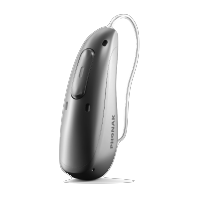
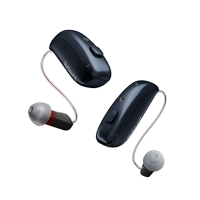
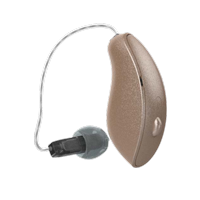
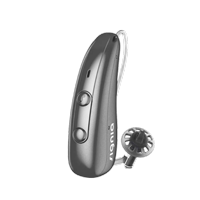
- Hearing aid solutions: Expert hearing aid fitting with the latest technology
- Tinnitus support: Specialized tinnitus therapy programs
- Ongoing care: Hearing aid repairs and maintenance
We serve multiple locations and are committed to providing accessible hearing healthcare. Visit our areas we serve page to find a convenient location near you.
Prevention and Hearing Health
While many cases of sudden hearing loss cannot be prevented, maintaining good hearing health may reduce your risk:
- Protect your hearing: Use appropriate hearing protection in loud environments
- Manage underlying health conditions: Control diabetes, hypertension, and autoimmune disorders
- Avoid ototoxic medications: Discuss hearing risks with your physician when prescribed new medications
- Regular hearing check-ups: Annual hearing evaluations can detect changes early
- Healthy lifestyle: Exercise regularly and maintain good cardiovascular health
Resources and Support
For additional information about hearing health and sudden hearing loss, explore our comprehensive resources section. Stay updated with the latest hearing health information by following our blog, where we regularly publish articles on various hearing-related topics.
Conclusion
Sudden hearing loss is a medical emergency that requires immediate attention. The key to successful treatment is recognizing the symptoms quickly and seeking professional help within the critical 72-hour window. While not all cases result in complete recovery, early intervention significantly improves outcomes and provides the best chance for hearing restoration.
If you’re experiencing sudden hearing loss or have concerns about your hearing health, don’t wait. Time is of the essence, and professional evaluation is crucial for determining the best course of treatment.
Ready to take action for your hearing health? Contact CalHearing today to schedule an urgent consultation or learn more about our comprehensive hearing healthcare services.