



The landscape of hearing healthcare has been transformed by digital innovation, with telehealth services making hearing care more accessible than ever before. However, understanding what can be accomplished remotely versus what still requires in-person clinical visits is crucial for patients seeking comprehensive hearing solutions. This guide explores the capabilities and limitations of remote hearing care, helping you make informed decisions about your hearing health journey.
The Rise of Telehealth in Hearing Care
Telehealth technology has revolutionized many aspects of healthcare, and hearing services are no exception. Remote hearing care has become increasingly sophisticated, offering patients convenient access to audiological services from the comfort of their homes. This advancement has proven particularly valuable for individuals in remote areas, those with mobility challenges, and patients seeking follow-up care without the need for frequent clinic visits.
The COVID-19 pandemic accelerated the adoption of telehealth services, demonstrating that many hearing care tasks can be effectively managed remotely. From initial consultations to hearing aid adjustments, technology now bridges the gap between patients and hearing care professionals like never before.
What Can Be Accomplished Through Telehealth
Remote Consultations and Initial Assessments
Many aspects of hearing care can be effectively delivered through telehealth platforms. Remote consultations allow audiologists to conduct comprehensive interviews, review medical histories, and assess hearing concerns without requiring an in-person visit. These virtual appointments can help determine the appropriate next steps in a patient’s hearing care journey.
- Initial hearing health consultations
- Review of symptoms and hearing concerns
- Medical history collection
- Discussion of treatment options
- Pre-appointment preparation and education
Hearing Aid Programming and Adjustments
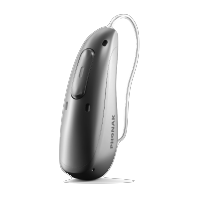
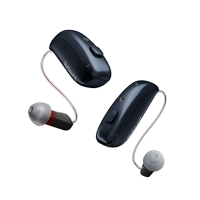
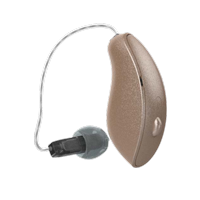
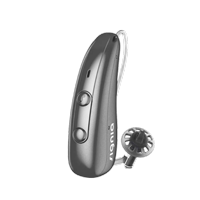
Modern hearing aids equipped with connectivity features can be programmed and adjusted remotely. This capability represents a significant advancement in hearing aid fitting technology, allowing audiologists to fine-tune device settings based on patient feedback and real-world usage data.
Remote programming offers several advantages:
- Immediate adjustments when issues arise
- Real-time optimization based on listening environments
- Reduced need for multiple clinic visits
- Access to professional support from anywhere
Follow-up Care and Monitoring
Remote hearing care excels in providing ongoing support and monitoring for hearing aid users. Regular check-ins via telehealth platforms help ensure optimal device performance and user satisfaction. This continuous care model helps identify issues early and maintains the therapeutic relationship between patient and audiologist.
Educational Services and Counseling
Patient education and counseling sessions can be effectively delivered through telehealth platforms. These services include:
- Hearing aid care and maintenance instruction
- Communication strategies training
- Tinnitus management counseling
- Hearing conservation education
What Still Requires In-Person Clinical Care
Comprehensive Diagnostic Testing
While technology continues to advance, comprehensive hearing testing still requires specialized equipment and controlled acoustic environments that can only be found in professional clinics. Diagnostic procedures that necessitate in-person visits include:
- Complete audiological evaluations
- Tympanometry and acoustic reflex testing
- Otoacoustic emissions testing
- Specialized vestibular assessments
These hearing testing procedures require calibrated equipment, soundproof environments, and hands-on clinical expertise to ensure accurate results and proper diagnosis.
Physical Examinations and Otoscopy
Visual examination of the ear canal and eardrum remains an essential component of hearing healthcare that cannot be replicated remotely. Physical examinations help identify:
- Earwax blockages
- Signs of infection or inflammation
- Structural abnormalities
- Foreign objects in the ear canal
Initial Hearing Aid Fittings and Verification
While remote adjustments are possible, the initial hearing aid fitting process typically requires in-person attention. This includes:
- Physical fitting and comfort assessment
- Real-ear measurements for verification
- Initial programming and sound quality verification
- Hands-on instruction for device handling
Specialized Procedures and Repairs
Certain hearing care services inherently require physical presence and specialized equipment. These include:
- Earwax removal procedures
- Hearing aid repairs requiring physical component replacement
- Custom hearing protection impressions
- In-depth troubleshooting of complex hearing aid issues
The Hybrid Approach: Combining Remote and In-Person Care
The most effective hearing care model combines the convenience of telehealth with the precision of in-person clinical services. This hybrid approach maximizes patient access while ensuring comprehensive care quality. Patients might begin with remote consultations, visit the clinic for diagnostic testing and initial fittings, then return to remote care for ongoing adjustments and support.
Optimizing Patient Outcomes
The integration of remote and in-person services creates a seamless care continuum that addresses diverse patient needs. This approach recognizes that different aspects of hearing care have varying requirements for physical presence while leveraging technology to enhance accessibility and convenience.
Technology Requirements for Remote Hearing Care
Successful remote hearing care depends on appropriate technology infrastructure. Patients interested in telehealth services should ensure they have:
- Reliable high-speed internet connection
- Compatible devices (smartphone, tablet, or computer)
- Hearing aids with wireless connectivity capabilities
- Appropriate mobile applications for remote adjustments
About Cal Hearing Services
Cal Hearing understands the importance of providing comprehensive hearing care through both traditional and innovative delivery methods. Our team of experienced audiologists offers a complete range of services designed to meet diverse patient needs and preferences.
Our comprehensive service offerings include:
- Complete hearing testing and diagnostic evaluations
- Professional hearing aid fitting and programming services
- Specialized tinnitus therapy programs
- Custom hearing protection solutions
- Expert hearing aid repairs and maintenance
We proudly serve multiple communities, and you can learn more about our coverage areas we serve on our website. Additionally, our resources section and blog provide valuable information to help you stay informed about the latest developments in hearing healthcare.
The Future of Remote Hearing Care
As technology continues to evolve, the capabilities of remote hearing care will undoubtedly expand. Emerging technologies such as artificial intelligence, advanced mobile applications, and improved connectivity features promise to enhance the scope and effectiveness of telehealth services in audiology.
However, the fundamental need for certain in-person services will likely remain, emphasizing the importance of integrated care models that leverage the strengths of both remote and clinical approaches. The future of hearing healthcare lies in thoughtful integration of these modalities to optimize patient outcomes while maximizing accessibility and convenience.
Making the Right Choice for Your Hearing Care
Understanding what can and cannot be accomplished through remote hearing care empowers patients to make informed decisions about their healthcare journey. While telehealth offers unprecedented convenience and accessibility, certain aspects of comprehensive hearing care require the expertise and equipment available only in clinical settings.
The key is finding a hearing care provider who offers both remote and in-person services, allowing for a personalized approach that meets your specific needs and circumstances. Whether you require initial diagnostic testing, ongoing hearing aid support, or specialized treatments, the combination of remote and clinical care can provide the comprehensive solution you need.
Ready to explore your hearing care options? Contact our experienced team today to discuss how our comprehensive services can address your hearing health needs through the most appropriate combination of remote and in-person care.