

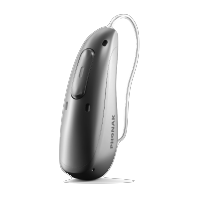
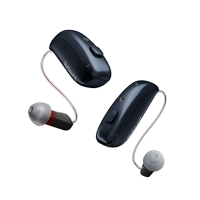
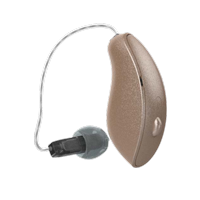
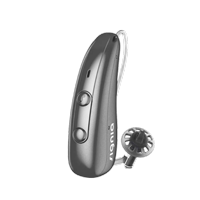



As a busy professional, parent, or active adult, choosing the right hearing aids can significantly impact your daily routine and quality of life. One of the most important decisions you’ll face is whether to opt for rechargeable or battery-powered hearing aids. Each option offers distinct advantages and considerations that can make a substantial difference in how well your hearing aids fit into your lifestyle.
Understanding the pros and cons of both rechargeable and traditional battery-powered hearing aids will help you make an informed decision that aligns with your specific needs, daily schedule, and long-term hearing health goals.
Understanding Rechargeable Hearing Aids
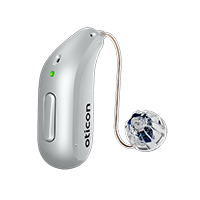
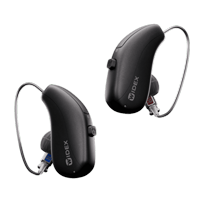
Rechargeable hearing aids have revolutionized the hearing aid industry by incorporating lithium-ion battery technology similar to what’s found in smartphones and laptops. These modern devices eliminate the need for frequent battery changes and offer a more sustainable, user-friendly approach to hearing aid power management.
The technology behind rechargeable hearing aids has advanced significantly in recent years, with most models now offering full-day power on a single charge. These devices typically come with convenient charging cases or docking stations that make overnight charging simple and straightforward.
Pros of Rechargeable Hearing Aids for Busy Individuals
For people with demanding schedules, rechargeable hearing aids offer several compelling advantages:
- Convenience and Time-Saving: No need to purchase, carry, or change tiny batteries regularly
- All-Day Power: Most rechargeable models provide 16-24 hours of use on a single charge
- Environmental Benefits: Reduces battery waste and is more eco-friendly
- Cost-Effective Long-Term: Eliminates ongoing battery purchase costs
- Reliability: Less risk of batteries dying unexpectedly during important meetings or events
- Easy Maintenance: Simple overnight charging routine fits seamlessly into busy lifestyles
Cons of Rechargeable Hearing Aids
While rechargeable hearing aids offer many benefits, there are some considerations to keep in mind:
- Higher Initial Cost: Typically more expensive upfront than battery-powered alternatives
- Charging Dependency: Requires access to power sources and charging equipment
- Limited Options: Fewer style and model choices compared to traditional hearing aids
- Travel Considerations: Need to remember charging cables and adapters when traveling
- Battery Degradation: Lithium-ion batteries may lose capacity over time (typically after 3-5 years)
Battery-Powered Hearing Aids: Traditional Reliability
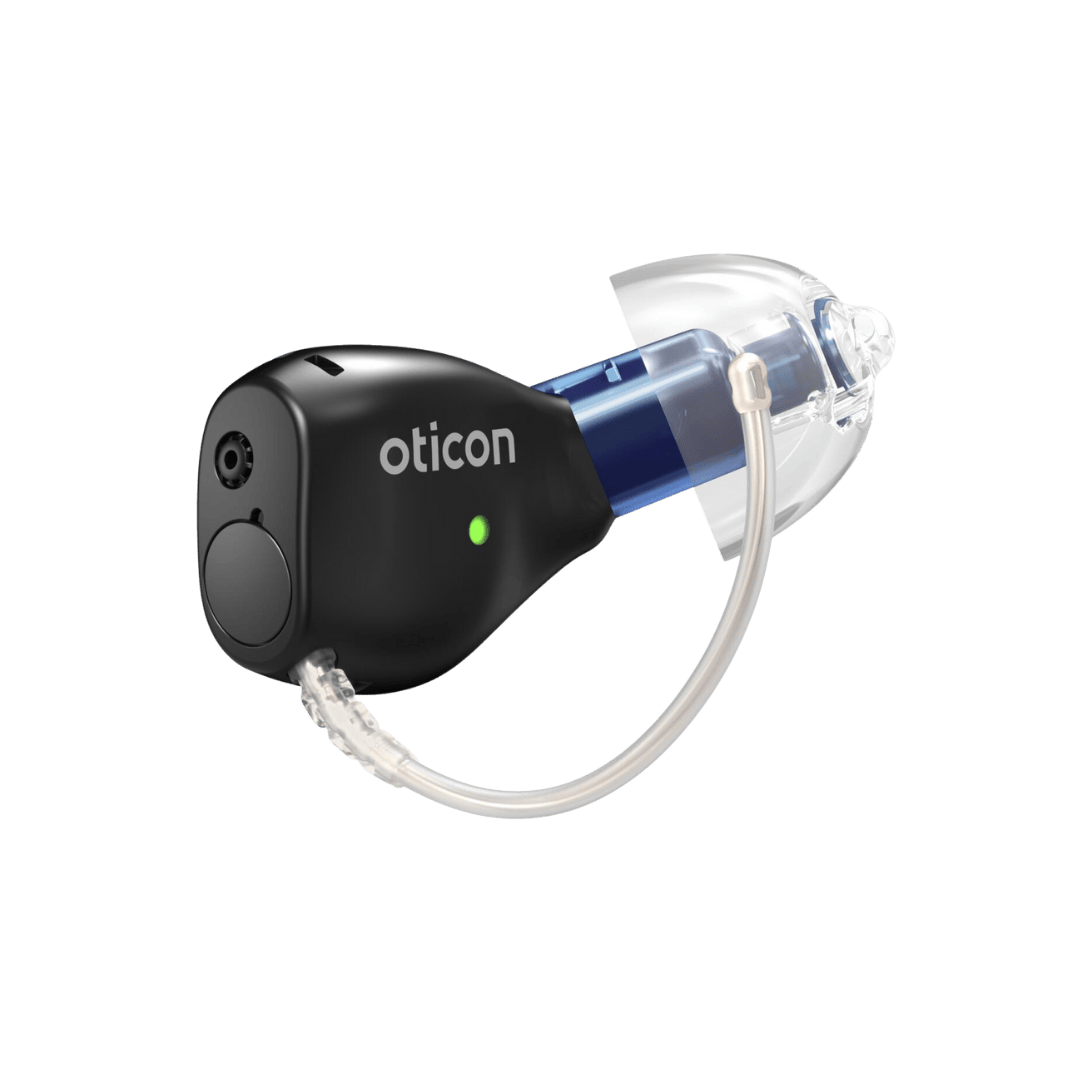
Battery-powered hearing aids use disposable zinc-air batteries that have been the standard in the hearing aid industry for decades. These devices offer proven reliability and are available in a wide range of styles and technology levels.
Traditional hearing aid batteries come in different sizes (10, 312, 13, and 675) and typically last anywhere from 3 days to 3 weeks, depending on the battery size, hearing aid features, and usage patterns.
Pros of Battery-Powered Hearing Aids
Despite newer technology, traditional battery-powered hearing aids continue to offer valuable benefits:
- Wide Selection: More style and technology options available
- Lower Initial Investment: Generally less expensive upfront
- Instant Power: Quick battery replacement provides immediate full power
- Travel-Friendly: Easy to carry spare batteries without charging equipment
- Proven Technology: Decades of reliable performance and refinement
- Independence: No need for charging infrastructure or power sources
Cons of Battery-Powered Hearing Aids for Busy Users
For individuals with packed schedules, traditional hearing aids present some challenges:
- Frequent Maintenance: Regular battery changes can be time-consuming and inconvenient
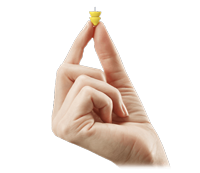
- Small Battery Handling: Tiny batteries can be difficult to manage, especially for those with dexterity issues
- Ongoing Costs: Continuous expense of purchasing replacement batteries
- Environmental Impact: Disposable batteries contribute to waste
- Unpredictable Timing: Batteries can die at inconvenient moments
Making the Right Choice for Your Lifestyle
When deciding between rechargeable and battery-powered hearing aids, consider your specific lifestyle factors:
- Daily Routine: Do you have a consistent schedule that allows for nightly charging?
- Travel Frequency: How often do you travel, and are you comfortable managing charging equipment?
- Dexterity: Are you comfortable handling small batteries, or would a charging dock be easier?
- Budget: Are you willing to invest more upfront for long-term convenience?
- Environmental Concerns: Is reducing battery waste important to you?
Professional Guidance for Optimal Results
Choosing the right hearing aids requires professional expertise and comprehensive evaluation. The decision between rechargeable and battery-powered options should be made in consultation with experienced hearing healthcare professionals who understand your unique needs and lifestyle requirements.
At California Hearing, our team of audiologists and hearing specialists work closely with busy individuals to identify the most suitable hearing aid solutions. We understand that your hearing aids need to seamlessly integrate into your active lifestyle while providing optimal hearing performance.
Comprehensive Hearing Care Services
California Hearing offers a full range of professional hearing healthcare services designed to meet the needs of busy individuals:
- Comprehensive Hearing Testing: Advanced diagnostic evaluations to determine your specific hearing needs
- Professional Hearing Aid Fitting: Customized fitting and programming for optimal comfort and performance
- Tinnitus Therapy: Specialized treatment for ringing in the ears
- Custom Hearing Protection: Protective solutions for work and recreational environments
- Hearing Aid Repairs: Professional maintenance and repair services
Our service areas span multiple locations, making professional hearing care accessible and convenient for busy individuals throughout the region.
Technology Considerations and Future Trends
The hearing aid industry continues to evolve rapidly, with both rechargeable and battery-powered devices incorporating advanced features like Bluetooth connectivity, smartphone apps, and artificial intelligence. When making your decision, consider not just current needs but also future technology integration and upgrade possibilities.
Recent advances in rechargeable hearing aid technology have significantly improved battery life and charging efficiency, making these devices increasingly attractive for busy professionals and active adults. Meanwhile, traditional battery-powered hearing aids continue to benefit from improved energy efficiency and longer-lasting battery performance.
Expert Recommendations and Ongoing Support
The most successful hearing aid users are those who receive ongoing professional support and guidance. Whether you choose rechargeable or battery-powered hearing aids, regular follow-up appointments ensure optimal performance and address any concerns that arise as you adapt to your new devices.
For additional information and resources about hearing aid options and hearing health, visit our resources section or explore our blog for the latest insights and tips from hearing healthcare professionals.
Conclusion: Your Personalized Hearing Solution
Both rechargeable and battery-powered hearing aids can be excellent choices for busy individuals, depending on your specific needs, preferences, and lifestyle. Rechargeable hearing aids offer unmatched convenience and long-term cost savings, while battery-powered hearing aids provide proven reliability and extensive options.
The key to making the right choice lies in working with experienced hearing healthcare professionals who can assess your individual needs and recommend the most suitable solution. With proper guidance and support, your hearing aids will enhance your quality of life and seamlessly integrate into your busy schedule.
Ready to explore your hearing aid options and find the perfect solution for your busy lifestyle? Contact California Hearing today to schedule a comprehensive consultation with our experienced team of hearing specialists.