



If you’ve ever said, “I hear people talking, but I can’t understand them in restaurants,” you’re describing the hardest part of hearing loss: speech in noise.
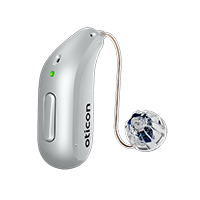
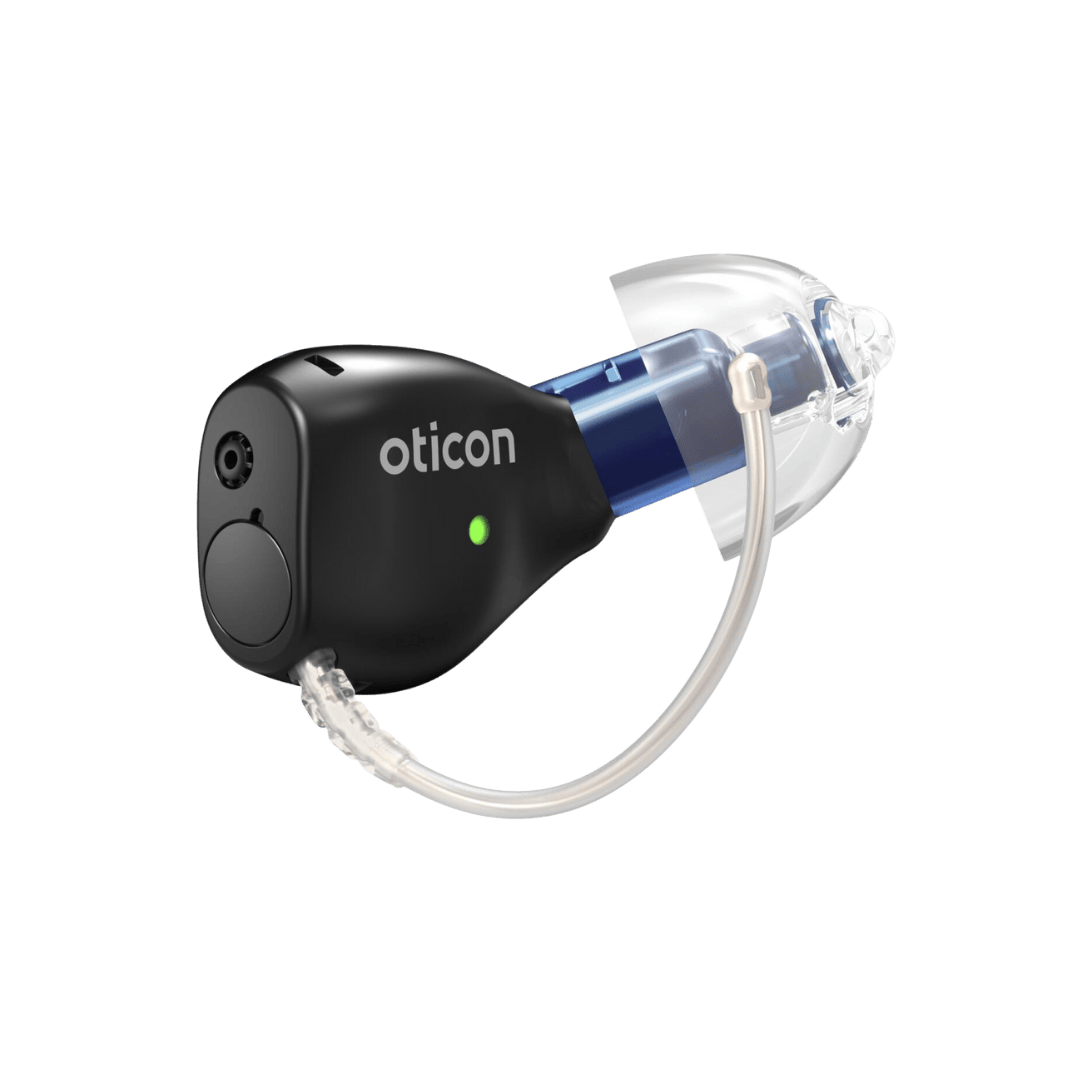
Oticon Zeal was built for that exact challenge—by focusing on how your brain makes sense of sound, not just how loud things are. The result is a tiny device that aims to deliver a balanced sound scene and clearer conversations in real-world noise.
If you missed our last post on why Zeal is so discreet, start here:
https://calhearing.com/oticon-zeal-nxt-invisible-hearing-aids/
The Sirius chip: “tiny” device, premium-level brain
Inside Zeal is the Sirius chip—reported as the same core platform that powers the premium Oticon Intent line, which is a big reason Zeal can do serious work in noisy environments despite its size.
Why this matters: processing power is what enables advanced speech-in-noise strategies and “always-on” sound intelligence—so you don’t have to constantly switch programs or “turn things up” to cope.
DNN 2.0: AI trained on real-life sound scenes
Zeal uses second-generation Deep Neural Network processing (DNN 2.0)—an AI approach trained on huge libraries of real-world sound inputs so it can better separate speech from background noise.
Think of it like pattern recognition for hearing:
- it learns what speech tends to look like in complex environments
- it learns what competing noise looks like (clatter, crowd noise, traffic)
- it helps shape the sound so speech is easier to follow without making the world feel “muted” or artificial
This is one of the reasons Zeal is positioned as more than just a discreet hearing aid—it’s a discreet hearing aid with serious processing under the hood.
Measurable results: less noise, clearer speech
Clinical/launch materials commonly cite the following outcomes for Zeal’s AI-driven processing:
- Noise suppression: up to 12 dB
- Speech clarity enhancement: up to 6 dB
Those numbers matter because in daily life, even modest improvements in speech-to-noise balance can feel like a huge reduction in effort—especially in restaurants, social gatherings, meetings, and the car.
“You hear with your brain” (and that changes how hearing aids should work)
The BrainHearing™ approach is based on a simple truth: your ears collect sound, but your brain turns it into meaning. When hearing becomes difficult, your brain has to work harder, and listening gets tiring.
Oticon’s BrainHearing philosophy emphasizes giving the brain access to the full sound scene—not stripping everything away to focus only on speech—so the brain has richer, more natural information to work with.
In plain English:
- old-school amplification can make things louder
- BrainHearing-style processing aims to make things clearer and more organized, so your brain can do what it’s good at: focusing, filtering, and understanding
This is especially relevant if you’ve tried hearing aids before and felt like:
- “everything was loud,” or
- “it sounded unnatural,” or
- “restaurants were still exhausting”
How this shows up in real life
People usually notice BrainHearing + AI benefits in a few specific moments:
- Restaurants: speech stays more understandable without killing the vibe of the room
- Family gatherings: multiple voices are easier to track
- Meetings: less mental fatigue by the end of the day
- Driving: conversation is clearer even with road noise (and no need to “crank” volume)
(Results vary by hearing profile and fitting—proper programming matters as much as the tech.)
Related resources on our site
- Zeal product page: https://calhearing.com/products/hearing-aids-by-brand/oticon/oticon-zeal/
- Oticon overview page: https://calhearing.com/products/hearing-aids-by-brand/oticon/
- Our prior Zeal post on the NXT form factor: https://calhearing.com/oticon-zeal-nxt-invisible-hearing-aids/
Quick FAQs (SEO-friendly)
Is AI in hearing aids just marketing?
Not when it’s used for real-time sound classification and speech-in-noise processing. Zeal’s DNN 2.0 approach is described as AI trained on large collections of real-world sound, designed to improve speech clarity while managing noise.
What does “up to 12 dB noise suppression” actually mean?
It means the system can reduce certain types of noise energy significantly in supported conditions—often most noticeable in steady or competing environmental noise.
Will Zeal help if I hear fine in quiet but struggle in noise?
That’s one of the most common use cases for advanced speech-in-noise processing. A hearing evaluation can confirm what’s happening and whether Zeal is a good match.
Want to see how BrainHearing™ and AI processing would sound for your hearing?
We can evaluate your hearing, discuss listening goals (especially speech in noise), and review whether Oticon Zeal is the right fit.
Contact California Hearing Center: https://calhearing.com/contact/
Call: 650-342-9449