










Approaching a conversation about hearing loss with an aging parent or grandparent can feel like navigating a minefield. Many seniors view hearing difficulties as a sign of weakness or aging that they’re not ready to acknowledge. However, with the right approach, patience, and understanding, you can have this crucial conversation without creating conflict or damaging your relationship.
Understanding Why Seniors Resist Hearing Loss Discussions
Before initiating any conversation about hearing difficulties, it’s essential to understand why many older adults resist acknowledging their hearing problems. Common reasons include:
- Fear of appearing old or vulnerable
- Concern about the cost of hearing aids
- Stigma associated with hearing devices
- Denial that the problem is significant
- Past negative experiences with hearing technology
- Independence concerns
Recognizing these underlying fears will help you approach the conversation with greater empathy and effectiveness.
Recognizing the Signs of Hearing Loss
Before discussing hearing loss with your loved one, make sure you can identify specific behaviors that indicate hearing difficulties:
- Frequently asking others to repeat themselves
- Turning up the television or radio volume excessively
- Appearing to ignore conversations or questions
- Speaking louder than necessary
- Avoiding social situations or group conversations
- Misunderstanding conversations or responding inappropriately
- Complaining that others mumble or speak too quietly
Having concrete examples will make your conversation more productive and less likely to be dismissed.
Choosing the Right Time and Setting
The timing and environment for discussing hearing difficulties can significantly impact the conversation’s success. Consider these factors:
- Privacy: Choose a quiet, private space where your loved one won’t feel embarrassed
- Timing: Select a moment when they’re relaxed and not stressed about other issues
- Distractions: Minimize background noise and other interruptions
- Support: Consider whether having another family member present would be helpful or overwhelming
Effective Communication Strategies
When discussing hearing loss with your parent or grandparent, use these proven communication techniques:
Start with Love and Concern
Begin the conversation by expressing your love and genuine concern for their wellbeing. Use “I” statements to avoid sounding accusatory: “I’ve noticed that you seem to be having trouble hearing the television lately, and I’m concerned because I want to make sure you’re not missing out on conversations with family.”
Use Specific Examples
Rather than making general statements about their hearing difficulties, provide specific, recent examples. This approach is less likely to trigger defensiveness and more likely to prompt genuine reflection.
Listen Actively
Give your loved one space to share their feelings and concerns. They may reveal important information about their fears or past experiences that will help you better support them.
Addressing Common Concerns
Be prepared to address the most common concerns about hearing loss and hearing aids:
Cost Concerns
Many seniors worry about the financial burden of addressing hearing loss. Research insurance coverage options and financing plans available through professional hearing care providers like calhearing.com to provide concrete solutions.
Stigma and Appearance
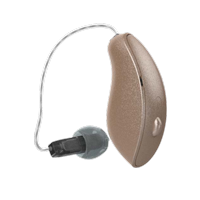
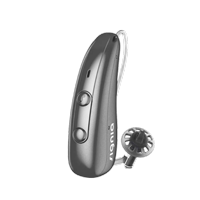
Modern hearing aids are much smaller and more discreet than older models. Emphasize that today’s hearing technology is nearly invisible and highly sophisticated.
Effectiveness Doubts
Share success stories of other family members or friends who have benefited from professional hearing care. Mention that modern hearing aids can significantly improve quality of life and social engagement.
The Importance of Professional Hearing Testing
Emphasize that the first step isn’t necessarily getting hearing aids – it’s getting a comprehensive hearing evaluation. Professional hearing testing can determine the extent of hearing loss and identify the best treatment options.
A professional audiologist can also rule out temporary causes of hearing difficulties, such as earwax buildup or ear infections, which might be easily treatable without hearing aids.
Making the Process Less Overwhelming
Help your loved one feel more comfortable about addressing their hearing loss by:
- Offering to accompany them to appointments
- Researching local hearing professionals in advance
- Scheduling consultations at convenient times
- Preparing questions to ask during the appointment
- Following up with emotional support throughout the process
Cal Hearing Services: Comprehensive Hearing Care
When your loved one is ready to seek professional help, Cal Hearing offers comprehensive hearing care services designed to address all aspects of hearing health:
- Complete hearing services including evaluation, treatment, and ongoing support
- Professional hearing testing using state-of-the-art diagnostic equipment
- Expert hearing aid fitting with personalized programming and adjustment
- Tinnitus therapy for those experiencing ringing or buzzing in their ears
- Custom hearing protection to prevent further hearing damage
- Hearing aid repairs and maintenance services
Cal Hearing serves multiple locations, making professional hearing care accessible to families throughout the region.
What to Avoid During the Conversation
Certain approaches can immediately shut down productive dialogue about hearing loss:
- Don’t be confrontational: Avoid accusatory language or ultimatums
- Don’t minimize their feelings: Acknowledge their concerns as valid
- Don’t rush the process: Allow them time to process the information
- Don’t make it about your frustration: Focus on their wellbeing, not your convenience
- Don’t overwhelm with information: Provide helpful details gradually
Following Up After the Initial Conversation
The first conversation about hearing difficulties is rarely the last. Be prepared for an ongoing dialogue:
- Give them time to think about what you’ve discussed
- Check in regularly without being pushy
- Share relevant articles or resources from Cal Hearing’s resource center
- Continue to provide emotional support
- Celebrate small steps toward addressing their hearing health
Additional Resources and Support
For more information about hearing loss and treatment options, explore Cal Hearing’s blog, which offers valuable insights, tips, and updates about hearing health and technology.
Remember that addressing hearing loss is ultimately about maintaining connections with loved ones and preserving quality of life. With patience, understanding, and professional support, your parent or grandparent can successfully navigate their hearing health journey.
If you’re ready to take the next step in helping your loved one address their hearing concerns, contact Cal Hearing today to schedule a consultation and begin the journey toward better hearing health.