



If you’ve ever Googled tinnitus at 2 a.m., you already know: the internet is full of miracle “cures,” scary stories, and confusing advice.
Some sites promise to “erase tinnitus in 7 days” with pills or sound files. Others insist you’re doomed to suffer forever. In between, there are a few excellent, evidence-based tinnitus resources — but they can be hard to find when you’re anxious and exhausted.
To help you navigate that, we’re drawing on the work of Dr. Emily E. McMahan, AuD — tinnitus specialist, American Tinnitus Association board member, and owner of Alaska Hearing & Tinnitus Center (All Ears Alaska) — along with our own experience at California Hearing Center in San Mateo and San Carlos.
This guide will show you:
- How to recognize safe, reliable tinnitus information.
- Which tinnitus hotlines and support networks are grounded in real science.
- Warning signs that an article, video, or product is not trustworthy.
- Where to turn when you’re ready for evidence-based care in the Bay Area.
Why it’s so easy to fall down the tinnitus rabbit hole
Tinnitus is the perfect setup for bad online advice:
- It’s invisible to everyone but you.
- It can be scary, especially when it starts suddenly or worsens.
- There’s no single “magic cure” yet — which leaves space for people to sell false hope.
When you’re desperate, almost anything that promises “silence” can feel tempting. Unfortunately, that desperation is exactly what many low-quality websites exploit.
That’s why organizations like the American Tinnitus Association (ATA) focus so heavily on credible information, patient education, and peer support instead of quick-fix claims.
What “evidence-based” tinnitus help actually means
When we say evidence-based tinnitus help, we mean information and treatments that are supported by:
- Clinical research published in peer-reviewed journals.
- Consensus guidelines from audiology and ENT organizations.
- Real-world outcomes tracked by experienced clinicians over time.
Examples of evidence-based approaches include:
- Education and counseling about how tinnitus and the brain work.
- Sound therapy and sound enrichment.
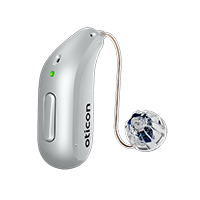
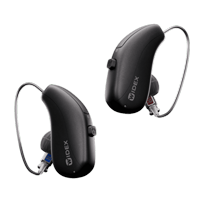
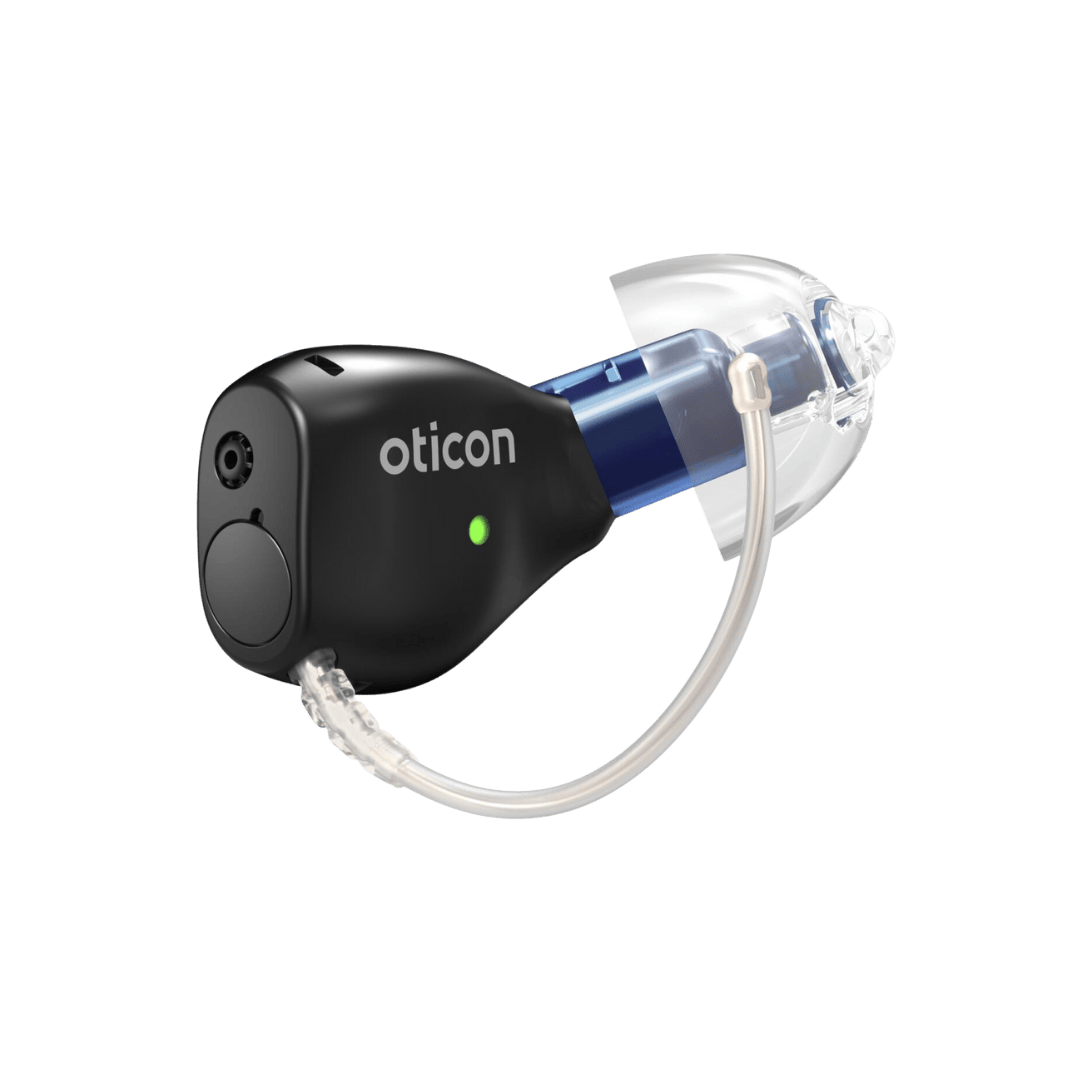
- Hearing aids (when hearing changes are present).
- Cognitive behavioral strategies for tinnitus distress.
- Advanced options like Lenire® tinnitus therapy when clinically appropriate.
Clinicians like Dr. McMahan — and clinics like California Hearing Center and All Ears Alaska — build their care models around this kind of evidence, not around whatever happens to trend on social media this week.
Red flags: tinnitus websites and videos you should be wary of
Here are some common warning signs that tinnitus content is more marketing than medicine:
- “Guaranteed cure” language. No legitimate tinnitus professional will promise a 100% cure on a fixed timeline.
- One-size-fits-all supplements. Be skeptical of expensive vitamin mixes that claim to “reverse tinnitus” without solid research to back them up.
- Fear-based messaging. If a site tries to scare you into buying something (“If you don’t fix this in 7 days, your tinnitus will be permanent”), that’s a red flag.
- No clear credentials. If you can’t easily find who runs the site — and whether they’re a licensed audiologist, ENT, or reputable organization — be careful.
- No links to studies or recognized organizations. Trustworthy sites usually reference research or connect you to groups like the ATA, major hospitals, or universities.
In general, if it sounds too good (or too terrifying) to be true, it probably is.
Trusted tinnitus organizations and resource hubs
When Dr. McMahan talks about “safe tinnitus information,” she often points people toward a few key organizations:
American Tinnitus Association (ATA)
The American Tinnitus Association is a nonprofit whose mission is to alleviate the suffering of individuals with tinnitus through support, education, and research.
On their site, you’ll find:
- Educational content explaining tinnitus causes, management, and current research.
- A “Your Support Network” section with tools like:
- Find a Support Group (local and virtual tinnitus groups).
- Volunteer Telephone & Email Support Network — peers who understand tinnitus and can offer non-medical support.
- Tinnitus Advisors Program — a way to talk with informed professionals about tinnitus questions and options.
These programs are run through the ATA — not through California Hearing Center — but we often point our patients there when they need safe additional support between appointments.
Hospital and university tinnitus programs
Major medical centers and universities often host tinnitus clinics and resource pages. Examples include:
Sites like these typically:
- Stick to evidence-based methods.
- Describe realistic treatment goals (less distress, improved function, better sleep).
- Provide clear contact info and ways to seek care if you’re local.
What about tinnitus hotlines and support groups?
Talking with someone who “gets it” can be incredibly helpful — as long as the support source is responsible and grounded in reality.
Tinnitus hotlines & advisory programs
Instead of random phone numbers or unmoderated forums, look for tinnitus support run by established organizations. For example:
- The ATA Tinnitus Advisors Program connects patients with informed professionals who can answer general questions about tinnitus and management options.
- ATA also lists a Telephone & Email Support Network — volunteers who offer non-medical peer support to others with tinnitus.
These services are not crisis lines or treatment, but they can provide a credible starting point when you feel overwhelmed and alone.
Tinnitus support groups
Support groups can be a lifeline — or they can become echo chambers of fear. Look for groups that:
- Are listed through reputable organizations (like the ATA’s Find a Support Group page).
- Have clear ground rules (no miracle cures, no bullying, no medical advice beyond scope).
- Include or collaborate with licensed audiologists, ENTs, or mental health professionals.
In a healthy group, the tone is usually:
- Supportive (“You’re not alone”).
- Practical (“Here’s what helped me cope”).
- Balanced (“Some days are hard, but they can get better”).
If a group makes your anxiety skyrocket every time you visit, it may not be the right space for you right now.
How to vet tinnitus information in 60 seconds
Here’s a quick mental checklist you can use for any tinnitus article, video, or product page:
- Who is behind this? Is it a recognized non-profit, hospital, clinic, or licensed professional? Can you verify their credentials?
- What are they promising? Are they talking about managing tinnitus and reducing distress — or guaranteeing a complete cure?
- Do they reference research or reputable organizations? Do you see mentions of ATA, academic centers, or studies, or just vague “scientists say” language?
- Is there a big financial incentive? Is the whole page pushing one expensive supplement, device, or program with limited transparency?
- How do you feel after reading? Informed and calmer — or more terrified and pressured to buy something immediately?
If you’re not sure, you can always bring a link or screenshot to your tinnitus appointment and ask a trusted audiologist to help you evaluate it.
Where do California Hearing Center and All Ears Alaska fit into all this?
Both California Hearing Center and Alaska Hearing & Tinnitus Center are part of a community of clinics that prioritize:
- Evidence-based tinnitus care (not quick-fix promises).
- Ongoing education — for patients and for other professionals.
- Collaboration with organizations like the American Tinnitus Association.
When you see names like Dr. Emily McMahan linked with both clinical work and ATA leadership, that’s usually a sign that a clinic is plugged into the larger tinnitus research and advocacy world — not operating on its own with untested ideas.
If you’re in the Bay Area and want care that lines up with the same standards you see from ATA and academic centers, our clinics in San Mateo and San Carlos are a good place to start.
- Tinnitus Therapy at California Hearing Center
- Tinnitus Knowledge Hub (articles & FAQs)
- Alaska Hearing & Tinnitus Center (All Ears Alaska)
When online support isn’t enough
Online resources and support groups are valuable, but they can’t replace:
- A full tinnitus evaluation.
- A provider who knows your history, hearing, and overall health.
- A real plan that’s tuned to you — not just to an average patient.
You should seek in-person (or telehealth) care if:
- Your tinnitus started suddenly or changed rapidly.
- It is much louder in one ear than the other.
- You have dizziness, balance issues, or sudden hearing changes.
- Your mood is worsening (hopelessness, panic, or depression).
A tinnitus-focused audiologist can coordinate with your primary care provider, ENT, or mental health professional to make sure everything is covered — from your ears to your nervous system.
Next steps: building your own “safe tinnitus toolkit”
Instead of letting the internet choose your tinnitus journey, you can intentionally build a small set of trusted, evidence-based resources and return to them when you need guidance or reassurance.
Your toolkit might include:
- One or two trusted education sites (for example, the ATA plus a hospital tinnitus program).
- A vetted support group or hotline (such as an ATA-listed support group or their Volunteer Peer Support Network).
- A local clinic that understands tinnitus and follows evidence-based protocols (like California Hearing Center in the Bay Area or All Ears Alaska in Anchorage).
- One or two coping strategies that reliably help you through spikes (sound enrichment, breathing techniques, journaling, etc.).
From there, you can add tools like Lenire® or structured tinnitus therapy if and when they make sense for you — guided by professionals, not by late-night ads.
Need evidence-based tinnitus help in the Bay Area?
If you’re ready to step out of the tinnitus internet maze and into a more grounded, hopeful plan, we’re here to help.
California Hearing Center offers tinnitus-focused care from our clinics in San Mateo and San Carlos, with access to:
- Comprehensive tinnitus evaluations.
- Education, counseling, and sound therapy.
- Advanced options like Lenire® tinnitus therapy through our clinics with Dr. Emily McMahan.
Your next step:
- Request a Tinnitus Therapy appointment
- Browse the Tinnitus Knowledge Hub
- Learn more about All Ears Alaska & Dr. Emily McMahan
You don’t have to navigate tinnitus — or the internet — alone. With the right filters and the right team, you can focus less on searching and more on actually feeling better.