





As we age, maintaining our hearing health becomes increasingly important for our overall quality of life. After turning 50, many adults begin to experience gradual hearing changes that can significantly impact their daily activities, relationships, and cognitive function. Understanding how frequently you should schedule hearing evaluations is crucial for early detection and treatment of hearing loss.
The Importance of Regular Hearing Checkups After 50
Hearing loss affects approximately one in three adults between the ages of 65 and 74, making regular hearing assessments essential for this age group. The gradual nature of age-related hearing loss means that many people don’t realize they’re experiencing hearing difficulties until the condition has progressed significantly. By establishing a routine schedule for hearing testing, you can catch potential issues early and take proactive steps to preserve your hearing health.
Recommended Frequency for Hearing Tests
Healthcare professionals and audiologists recommend the following schedule for hearing evaluations:
Ages 50-64
- Every 3-5 years for adults with no known hearing problems
- Annually for those with risk factors or family history of hearing loss
- More frequently if you notice any changes in your hearing
Ages 65 and Older
- Annual hearing tests are recommended for all adults
- Every 6 months if you already have diagnosed hearing loss
- Immediate evaluation if you experience sudden hearing changes
Warning Signs That Indicate You Need a Hearing Test
While regular scheduled checkups are important, certain symptoms should prompt you to seek hearing testing immediately:
- Difficulty understanding conversations in noisy environments
- Frequently asking others to repeat themselves
- Turning up the volume on television or radio
- Experiencing ringing in your ears (tinnitus)
- Feeling like people are mumbling when they speak
- Avoiding social situations due to hearing difficulties
Risk Factors That May Require More Frequent Testing
Certain factors may increase your risk of hearing loss and warrant more frequent hearing evaluations:
- Occupational noise exposure (construction, manufacturing, music industry)
- Family history of hearing loss
- Chronic medical conditions like diabetes or cardiovascular disease
- History of ear infections or ear trauma
- Use of ototoxic medications
- Previous chemotherapy or radiation treatment
Benefits of Early Detection and Treatment
Regular hearing assessments offer numerous advantages for adults over 50. Early identification of hearing loss allows for timely intervention, which can slow the progression of hearing deterioration and improve treatment outcomes. Studies have shown that addressing hearing loss promptly can help maintain cognitive function, reduce the risk of dementia, and improve overall mental health and social engagement.
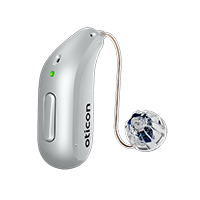
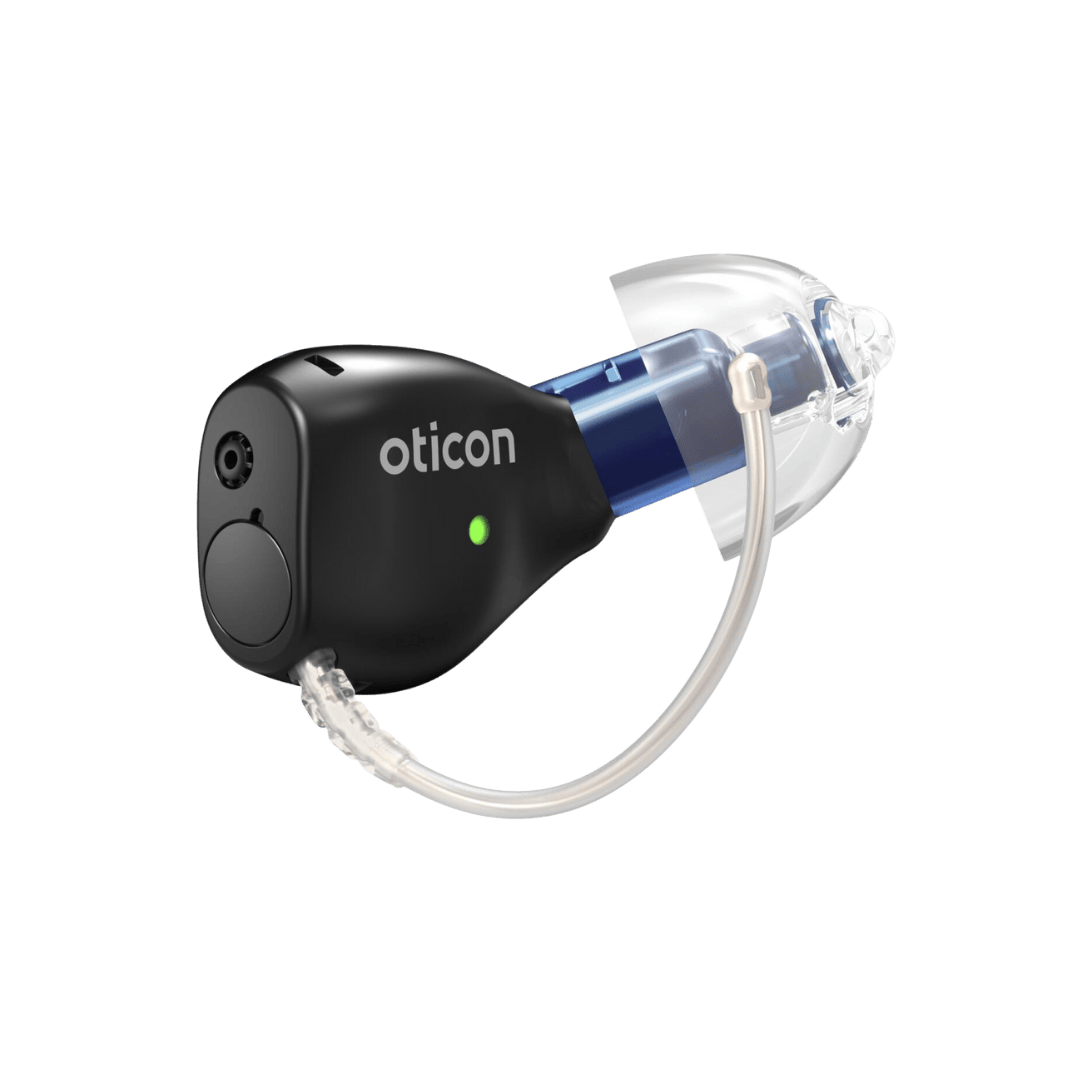
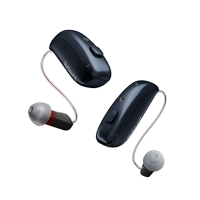
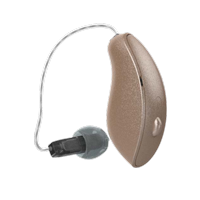
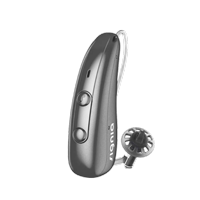
When hearing loss is detected early, individuals have access to a wider range of treatment options, including advanced hearing aid technology and hearing aid fitting services that can be customized to their specific needs and lifestyle preferences.
What to Expect During a Hearing Evaluation
A comprehensive hearing test typically includes several components designed to assess different aspects of your auditory system:
- Medical history review and discussion of hearing concerns
- Visual examination of the ears
- Pure tone audiometry to measure hearing sensitivity
- Speech audiometry to assess word recognition
- Tympanometry to evaluate middle ear function
- Additional specialized tests as needed
Cal Hearing Services: Comprehensive Hearing Care
At Cal Hearing, we provide a full range of services to meet all your hearing healthcare needs. Our experienced audiologists offer:
- Comprehensive hearing testing and evaluations
- Professional hearing aid fitting and customization
- Specialized tinnitus therapy for ringing in the ears
- Custom hearing protection solutions
- Expert hearing aid repairs and maintenance
Our team serves multiple locations to make hearing care accessible and convenient. Visit our areas we serve page to find a location near you.
Additional Resources and Support
Understanding hearing health can be complex, which is why Cal Hearing provides extensive educational materials and support. Our resources section offers valuable information about hearing loss, treatment options, and hearing aid maintenance. Additionally, our blog features regular updates on the latest developments in hearing healthcare, tips for maintaining hearing health, and answers to frequently asked questions.
Taking Action for Your Hearing Health
Proactive hearing healthcare is one of the most important investments you can make in your quality of life after age 50. Regular hearing evaluations help ensure that any changes in your auditory function are detected early, when treatment options are most effective. Don’t wait until hearing loss begins to impact your daily activities, relationships, or professional life.
Remember that hearing loss is often gradual and can go unnoticed for years. By following the recommended schedule for hearing tests and being aware of warning signs, you can take control of your hearing health and maintain an active, engaged lifestyle well into your golden years.
If you’re over 50 and haven’t had a hearing test recently, or if you’re experiencing any signs of hearing difficulty, don’t delay in seeking professional evaluation. Early intervention can make a significant difference in your treatment options and overall outcomes.
Ready to take the first step toward better hearing health? Contact Cal Hearing today to schedule your comprehensive hearing evaluation with our experienced audiologists. Your hearing health is our priority, and we’re here to help you navigate every step of your hearing healthcare journey.