

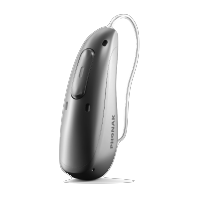
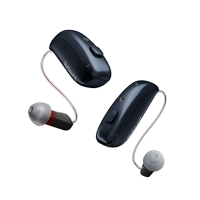
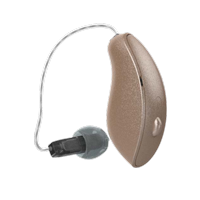
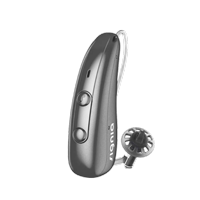



The Bay Area’s unique climate presents both opportunities and challenges for hearing aid users. With its mild temperatures, coastal humidity, and occasional fog, this region requires special consideration when determining how often hearing aids should be replaced. Understanding these environmental factors can help you maximize your investment while ensuring optimal hearing health.
Understanding the Bay Area Climate’s Impact on Hearing Aids
The San Francisco Bay Area is known for its Mediterranean climate, characterized by dry summers and mild, wet winters. However, the proximity to the Pacific Ocean creates unique conditions that can affect hearing aid performance and longevity. Humidity levels can fluctuate dramatically throughout the day, especially in coastal areas, while inland regions may experience temperature variations that cause condensation inside hearing devices.
These environmental factors make it crucial for Bay Area residents to work with experienced professionals who understand local conditions. At CalHearing, we’ve helped thousands of clients navigate these challenges while maximizing their hearing aid lifespan.
General Hearing Aid Replacement Timeline
Most hearing aids are designed to last between 3 to 7 years under normal conditions. However, the Bay Area’s climate can influence this timeline in several ways:
- High-end digital hearing aids typically last 5-7 years
- Mid-range devices usually function well for 4-5 years
- Basic hearing aids may need replacement after 3-4 years
- Environmental factors can reduce these timelines by 6-12 months
Bay Area Climate Factors Affecting Hearing Aid Longevity
Humidity and Coastal Moisture
The Bay Area’s coastal location means that moisture exposure is a constant concern. Fog rolling in from the Pacific Ocean can create humidity levels exceeding 90%, which can infiltrate hearing aids and cause:
- Corrosion of internal components
- Battery compartment oxidation
- Speaker damage from moisture buildup
- Microphone malfunctions due to water exposure
Temperature Fluctuations
Bay Area residents often experience significant temperature changes within a single day. Moving from air-conditioned buildings to outdoor warmth can cause condensation inside hearing devices, potentially requiring more frequent professional hearing aid repairs.
Signs Your Hearing Aids Need Replacement
Recognizing when it’s time for new hearing aids is crucial for maintaining optimal hearing health. Watch for these warning signs:
- Frequent repairs becoming more costly than replacement
- Diminished sound quality despite professional cleaning
- Battery life significantly shorter than when new
- Physical damage from Bay Area environmental exposure
- Outdated technology that no longer meets your needs
If you’re experiencing any of these issues, our comprehensive hearing testing services can help determine whether repair or replacement is the best option.
Maximizing Hearing Aid Lifespan in Bay Area Conditions
To extend your hearing aids’ life in the Bay Area climate, consider these maintenance strategies:
Daily Care Routine
- Remove hearing aids before showering or swimming
- Use a dehumidifier or drying kit nightly
- Clean devices with dry, soft cloth daily
- Store in a cool, dry place when not in use
Professional Maintenance
Regular professional maintenance becomes even more critical in the Bay Area’s challenging climate. Our comprehensive services include thorough cleaning, moisture removal, and component testing to identify potential issues before they become costly problems.
When to Consider Early Replacement
While most hearing aids last several years, Bay Area residents might need to consider early replacement in certain situations:
- Lifestyle changes requiring better moisture resistance
- Increased outdoor activities in foggy coastal areas
- Technological advances offering superior climate protection
- Recurring moisture-related repairs
Choosing Climate-Appropriate Hearing Aids
When selecting new hearing aids for Bay Area living, prioritize models with enhanced moisture protection. Modern hearing aids often feature:
- IP68 water resistance ratings
- Nano-coating technology for moisture repelling
- Sealed battery compartments
- Advanced materials designed for humid environments
Our expert team provides personalized hearing aid fitting services to ensure you select devices perfectly suited for both your hearing needs and local climate conditions.
CalHearing Services for Bay Area Residents
At CalHearing, we understand the unique challenges Bay Area residents face with their hearing aids. Our comprehensive approach includes:
- Professional hearing evaluations using state-of-the-art equipment
- Custom hearing aid fitting with climate considerations
- Ongoing maintenance and repair services to maximize device lifespan
- Tinnitus therapy available through our specialized program
- Hearing protection solutions for active Bay Area lifestyles through our hearing protection services
We proudly serve communities throughout the region, and you can learn more about our coverage in the areas we serve section of our website.
Cost Considerations for Bay Area Hearing Aid Users
While the Bay Area’s climate may require more frequent hearing aid maintenance or earlier replacement, proper care can help manage these costs effectively. Consider these financial strategies:
- Invest in higher-quality, moisture-resistant models initially
- Maintain comprehensive hearing aid insurance coverage
- Schedule regular professional maintenance to prevent major repairs
- Keep detailed records of repairs to determine optimal replacement timing
Future Technology and Bay Area Climate Adaptation
Hearing aid technology continues advancing rapidly, with manufacturers increasingly focusing on environmental durability. New developments particularly relevant to Bay Area users include:
- Improved moisture detection and removal systems
- Advanced materials that resist corrosion from salt air
- Smart sensors that adjust to humidity levels automatically
- Enhanced sealing techniques for better water resistance
Stay informed about these developments through our blog and additional resources.
Making the Replacement Decision
Ultimately, the decision to replace hearing aids in the Bay Area should balance several factors: device age, repair frequency, performance quality, and technological advances. Working with experienced professionals ensures you make informed decisions that optimize both your hearing health and financial investment.
The Bay Area’s unique climate requires special consideration when determining hearing aid replacement schedules. While general guidelines suggest replacement every 3-7 years, local environmental factors may necessitate more frequent evaluations and potentially earlier replacement. By understanding these factors and working with knowledgeable professionals, you can ensure optimal hearing aid performance regardless of the challenging coastal conditions.
Don’t let Bay Area climate challenges compromise your hearing health. Contact CalHearing today to schedule a comprehensive evaluation and learn how we can help you maximize your hearing aid investment while ensuring optimal performance in our unique coastal environment.