



Hearing aid consumables — domes, wax guards, tubing, and receivers — each have distinct replacement intervals based on how quickly they degrade, how much earwax you produce, and which hearing aid style you wear. Replacing them on schedule is the single most cost-effective thing you can do to maintain sound quality and prevent avoidable repair bills: studies cited in Audiology Today attribute up to 83% of hearing aid malfunctions to earwax buildup that proper wax guard maintenance would have prevented.
The four consumables every RIC/RITE hearing aid wearer should track are: wax guards (replace every 2–4 weeks, or sooner if sound weakens), domes (every 2–3 months), receiver wires (every 6–12 months or at first sign of sound degradation), and BTE tubing if applicable (every 4–6 months). None of these replacements require a clinic visit — all can be done at home in under two minutes each. Staying on schedule dramatically reduces feedback complaints, repair frequency, and the risk of preventable receiver failure — the most expensive consumable by far.
Hearing Aid Replacement Intervals: Complete Reference Table
| Component | Applies To | Recommended Interval | Replace Sooner If | DIY or Clinic? | Approximate Cost |
|---|---|---|---|---|---|
| Wax guard / wax filter | RIC/RITE, ITE, ITC, CIC — any aid with a receiver in or near the canal | Every 2–4 weeks for average wax producers; monthly for low producers. Heavy wax producers may need weekly replacement. | Sound is suddenly weak or absent; feedback increases; aid sounds muffled; visible wax visible in the guard mesh | DIY — takes 30 seconds with the replacement tool. Tool and guards are included with the aid or available from your audiologist. | $5–$15 for a pack of 8. Most audiologists supply them free or at low cost at follow-up visits. |
| Dome (open, closed, power, tulip) | RIC/RITE hearing aids; some BTE thin-tube fittings | Every 2–3 months under normal conditions. Inspect monthly — replace immediately if the dome is visibly yellowed, hardened, cracked, or no longer sealing the canal properly. | Dome feels loose in the ear; feedback increases; dome has yellowed or hardened; dome has a visible crack or tear; sound quality has changed without other explanation | DIY — pull the old dome off the receiver nozzle, press the new dome on until it clicks or seats firmly. 60 seconds. | $5–$15 for a pack of 10. Size and style must match your fitting — confirm with your audiologist before ordering. |
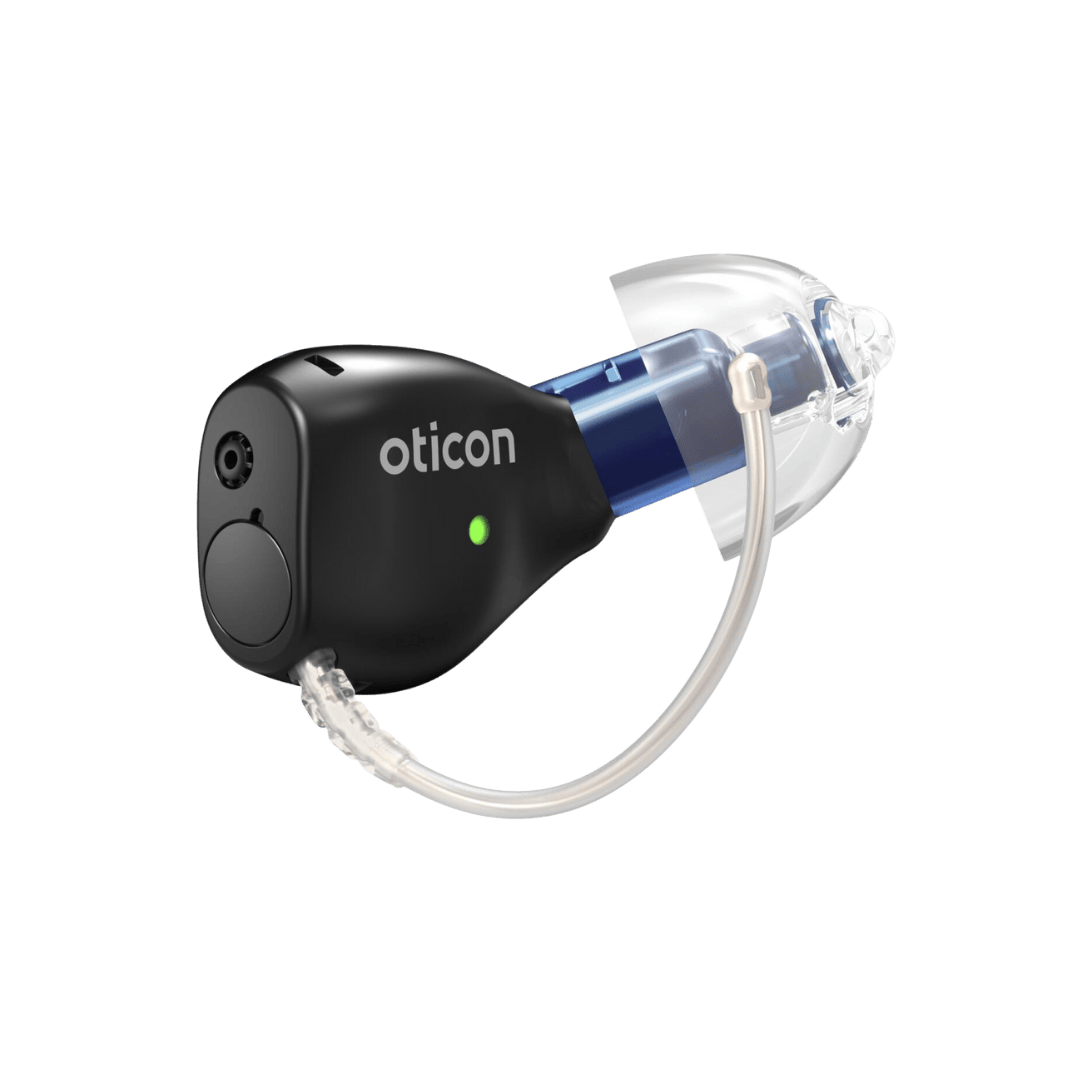
| Receiver wire (RIC/RITE) | RIC and RITE hearing aids — the thin wire connecting the hearing aid body to the receiver (speaker) in your ear canal | Every 6–12 months as a proactive replacement, or at first sign of sound degradation — whichever comes first. High-wax producers or active lifestyles (sweat exposure) may see shorter intervals. | Sound is weak, distorted, or intermittent and wax guard replacement doesn’t fix it; wire is visibly kinked, cracked, or discolored; connector feels loose; feedback that didn’t resolve with fitting or programming adjustments | DIY for most brands — receiver removal tool included with most aids. Snap or slide the old receiver out, align the new one and click into place. Approximately 2 minutes. Clinic visit recommended if unsure of which receiver size/power level to order. | $50–$120 per receiver, depending on brand and power level. Covered under warranty during the repair warranty period. Receivers are brand- and model-specific — do not substitute. |
| BTE tubing (standard tube) | Behind-the-ear (BTE) aids with earmolds and standard tubing | Every 4–6 months. Tubing hardens, yellows, and loses flexibility with exposure to body heat, skin oils, and cleaning products — which creates acoustic leaks and eventual feedback. | Tubing is visibly yellowed or cloudy; tubing feels brittle or stiff; sound quality has changed; tubing has cracked or split at the earmold junction; feedback has developed without other explanation | DIY is possible with practice — pull old tubing from the earmold, thread new tubing through, cut to length using the old tube as a guide. Many patients prefer to have this done at a clinic visit every 4–6 months. | $5–$10 for replacement tubing. Audiologist will tube free of charge or for minimal cost at a maintenance visit. |
| Thin tube (BTE thin-tube fittings) | BTE hearing aids with thin tubes rather than standard earmold tubing — common in slim-tube BTE styles | Every 4–6 months, same as standard tubing. Thin tubes are more delicate and may need replacement more frequently with rough handling. | Tube is kinked, cracked, or has lost flexibility; sound is weakened or distorted; feedback has developed | DIY — thin tubes snap or slide into the hearing aid and into the dome/tip. Relatively straightforward once familiar with the connection mechanism for your model. | $5–$15 per tube. Brand-specific — confirm compatibility before ordering. |
| Custom earmold | BTE hearing aids with custom earmolds; some CROS and power fittings | Earmolds do not need routine replacement on a fixed schedule, but should be professionally inspected every 1–2 years for fit integrity. Ear anatomy changes over time, particularly with weight change or aging, which affects the acoustic seal. | Earmold feels loose or uncomfortable; feedback has developed despite other troubleshooting; earmold is cracked or discolored; significant weight change has occurred | New earmold impressions must be taken by your audiologist — cannot be done at home. Re-tubing of earmolds can be DIY with experience. | $50–$200 per earmold for remakes, depending on material and style. Often covered under provider service plans. |
| Rechargeable battery | Any rechargeable hearing aid (lithium-ion battery built into the device) | Lithium-ion batteries in hearing aids are rated for approximately 500–1,000 full charge cycles before capacity degrades noticeably. At daily charging, this is roughly 4–5 years. Manufacturer warranty typically covers the battery for 1 year. | Device no longer holds a full day’s charge; charge time has increased significantly; device turns off unexpectedly mid-day | Clinic or manufacturer service — rechargeable batteries in most current hearing aids are not user-replaceable. Contact your audiologist or manufacturer. | $150–$300 per device for out-of-warranty battery replacement at the manufacturer. Some providers offer in-clinic battery service for compatible models. |
| Disposable battery (size 10, 312, 13, 675) | Any non-rechargeable hearing aid | Replace when the battery indicator alerts or when sound quality weakens. Typical battery life: size 10 = 3–5 days; size 312 = 5–7 days; size 13 = 10–14 days; size 675 = 18–21 days. Varies with streaming usage. | Sound weakens; aid alerts with low-battery tone; sound is intermittent | DIY — remove tab from new battery, allow 1 minute for activation, insert with the flat (positive) side facing the correct orientation for your aid. | $5–$15 for a pack of 8–16, depending on size and brand. |
The most common source of avoidable repair bills: A failed receiver that could have been prevented. Earwax migrates past the dome and through a deteriorated wax guard over weeks — initially reducing sound quality, then blocking the receiver entirely. By the time sound stops, the receiver has often been exposed to wax and moisture long enough to sustain internal corrosion damage. Replacing the wax guard every 2–4 weeks costs pennies and takes 30 seconds. A receiver replacement costs $50–$120. The math makes the case.
Why do these components wear out — and why does it matter?
Every consumable component in a hearing aid degrades for one of three reasons: mechanical wear from repeated handling and insertion, chemical degradation from exposure to earwax, skin oils, sweat, and cleaning products, or material fatigue from temperature cycling caused by body heat.
Domes are made from medical-grade silicone that gradually hardens and loses its flexible seal as it absorbs skin oils and earwax residue. A dome that feels soft in your hand may have lost enough elasticity that it no longer forms a consistent acoustic seal in the ear canal — producing intermittent feedback, reduced bass response, and a vague sense that the aid “isn’t working as well as it used to,” without any identifiable single cause.
Wax guards use a fine mesh filter to catch earwax particles before they reach the receiver. As the mesh fills with wax, airflow restriction reduces the acoustic output of the receiver — which your brain compensates for by perceiving the aid as quieter. Turning up the volume to compensate increases the feedback risk and the workload on the receiver, accelerating further deterioration. A clogged wax guard is the most common cause of “dead hearing aid” presentations in audiology clinics, and almost all are preventable.
Receiver wires carry both the amplified audio signal and a thin wire harness in a flexible polymer jacket that must bend thousands of times as you insert and remove the aid. Micro-fractures develop in the wire harness before the outer jacket shows visible damage — meaning a receiver can be electrically compromised well before it looks obviously worn.
How does earwax production affect replacement frequency?
Replacement intervals are averages — and the single biggest variable is how much earwax you produce. Earwax production is largely genetic and varies enormously between individuals. Some people use a wax guard for six months without it visibly filling; others clog one every week. Neither is abnormal — they simply reflect different cerumen production rates.
Several factors increase wax production or wax migration into the hearing aid: warm, humid climates; wearing the aids for longer daily hours; physical activity (increased body temperature and perspiration); and the natural cleaning mechanism of the ear canal, which propels cerumen outward — directly toward the wax guard.
The practical guidance: track your replacement frequency for the first three months of wear and establish your personal baseline. If you find yourself changing wax guards every week, that’s your normal interval — not a sign of a problem. If a wax guard that normally lasts three weeks fills in two days, that suggests increased wax production that may warrant a professional ear cleaning check.
What are the signs that a component needs replacing now — regardless of schedule?
✅ Replace immediately if you notice
- Wax guard: Sound is suddenly weak or absent — try replacing the wax guard before anything else. This resolves the majority of sudden sound loss presentations.
- Dome: Visible crack, tear, yellowing, or dome has come off inside the ear canal (pull it out gently; do not push it in further).
- Receiver: Sound is intermittent, distorted, or has developed a buzzing quality and wax guard replacement didn’t fix it.
- BTE tubing: A visible crack at the earmold junction, or the tube has become so stiff it’s pulling the hearing aid out of position.
⚠️ See your audiologist if
- Wax guard replacement doesn’t restore sound — the receiver may be damaged or the problem is in the hearing aid electronics
- A dome has separated inside the ear canal and you cannot remove it — do not attempt to extract it with a sharp object
- Receiver replacement didn’t restore sound — the hearing aid body may need service
- You’re going through wax guards unusually fast — this may indicate wax impaction in the ear canal that a professional cleaning would address
- The rechargeable battery is no longer holding a full day’s charge — battery replacement requires manufacturer service for most current models
Does hearing aid style affect which components you need to maintain?
Yes — significantly. The maintenance profile of your hearing aid is largely determined by its style, and understanding which components apply to yours prevents unnecessary purchases and missed maintenance steps.
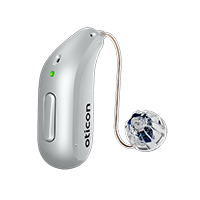
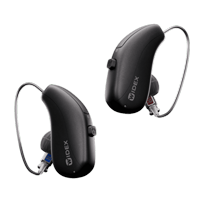
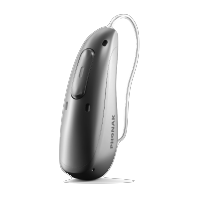
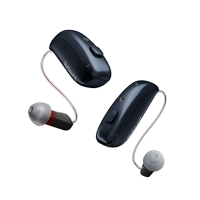
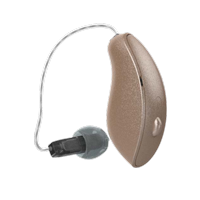
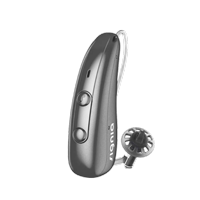
RIC/RITE (Receiver-in-Canal/Receiver-in-the-Ear) — the dominant style for mild-to-moderate hearing loss — requires the most active consumable management: wax guards, domes, and receiver wires are all user-replaceable and all need routine attention. This is also the style most vulnerable to receiver damage from wax migration, which makes wax guard adherence especially important.
BTE with earmold aids place the receiver in the hearing aid body rather than in the ear canal, which substantially reduces wax exposure to the receiver. The primary maintenance focus is tubing condition and earmold fit. No wax guard is typically required because the receiver is protected inside the hearing aid shell.
ITE/ITC/CIC (custom in-the-ear styles) house both microphone and receiver in a custom shell that sits entirely in the canal. These require wax guards (and may have two — one for the receiver port and one for the microphone port), but do not have domes or receiver wires. The entire shell goes to the manufacturer for repair if a component fails, so diligent wax guard maintenance is especially critical — there are no easy field-replaceable components beyond the guards themselves.
What’s the easiest way to stay on schedule?
The most reliable system is to tie replacements to an existing habit rather than trying to remember arbitrary dates. Monthly wax guard replacement pairs naturally with the first day of the month. Dome replacement every three months pairs with the change of seasons — a memorable quarterly marker. Receiver and tubing checks at your regular 6-month professional cleaning appointment ensure these are inspected by your audiologist even if you haven’t noticed a problem at home.
Keep a small supply of each consumable on hand — not just a single backup. Running out of wax guards the weekend your sound weakens means two days of compromised hearing and motivation to skip the change. Most audiologists supply consumables at follow-up visits; you can also order brand-specific components directly from your audiologist’s practice or reputable hearing aid accessory retailers.
At California Hearing Center, we provide a full consumables supply at each fitting appointment and replenish them at follow-up visits. We can also show you exactly how to replace each component for your specific hearing aid model — because knowing the technique for your own devices matters more than general instructions.
Why Choose California Hearing Center?
At California Hearing Center, every patient leaves their fitting appointment knowing which consumables their hearing aids use, how to replace each one, and when to do it. We schedule professional cleaning and inspection appointments every 4–6 months as a standard part of our care model — catching tubing, dome, and receiver wear before it affects performance. If you’re not sure whether your aids are due for any component replacements, bring them in and we’ll check.
- Audiology Today / Hearing Industries Association. — Cited statistic that up to 83% of hearing aid malfunctions are attributed to earwax buildup; foundational case for proactive wax guard replacement. Referenced in: soroyahearingaid.com wax guard guide
- HearingInsider.com. (2023). Know When To Change Hearing Aid Tubing, Domes and Wax Traps. — Clinical summary of average replacement intervals across components with audiologist-verified guidance. hearinginsider.com
- HearCareDirect.com. (2025). Hearing Aid Receivers. — Product and clinical documentation confirming receiver replacement interval of 6–12 months and brand-specificity requirements. hearcaredirect.com
- HearingAidAccessory.com. (2025). Master How to Identify and Replace Receivers Like a Pro. — Step-by-step receiver replacement protocol for RIC aids across major brands. hearingaidaccessory.com
- Miracle-Ear. (2025). Hearing Aid Care and Maintenance. — Corroborating dome (monthly check / 3-month replacement), tubing (6-month), and wax guard (weekly check) interval guidance. miracle-ear.com
- Phonak. (2025). Receiver Replacement Quick Guide — Phonak Store. — Official Phonak clinical documentation for receiver replacement protocol and compatibility requirements for Marvel, Paradise, and Lumity receivers. phonakpro.com