



GLP-1 medications like Ozempic® and Wegovy® (semaglutide) and similar “weight-loss shots” have become incredibly common. Along with their benefits, many patients ask a surprisingly practical question:
“Can GLP-1 meds affect my ears or my hearing aids?”
The honest answer: sometimes people do report ear-related symptoms, and there are a couple of plausible reasons why—but the medical evidence is still emerging, and an association isn’t the same as proof. Here’s what’s known so far, what’s still uncertain, and what hearing-aid users can do today.
Quick takeaways
- Some ear symptoms have been reported with GLP-1 receptor agonists (including tinnitus, “ear fullness,” and other ENT-related complaints) in post-marketing safety data and research analyses.
- Rapid weight loss itself (whether from GLP-1s, illness, or bariatric surgery) is a known trigger for certain ear problems—especially patulous eustachian tube symptoms in some people.
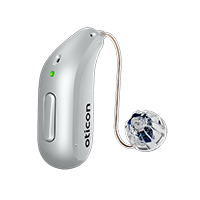
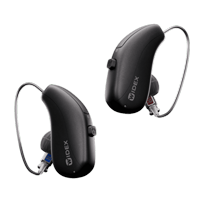
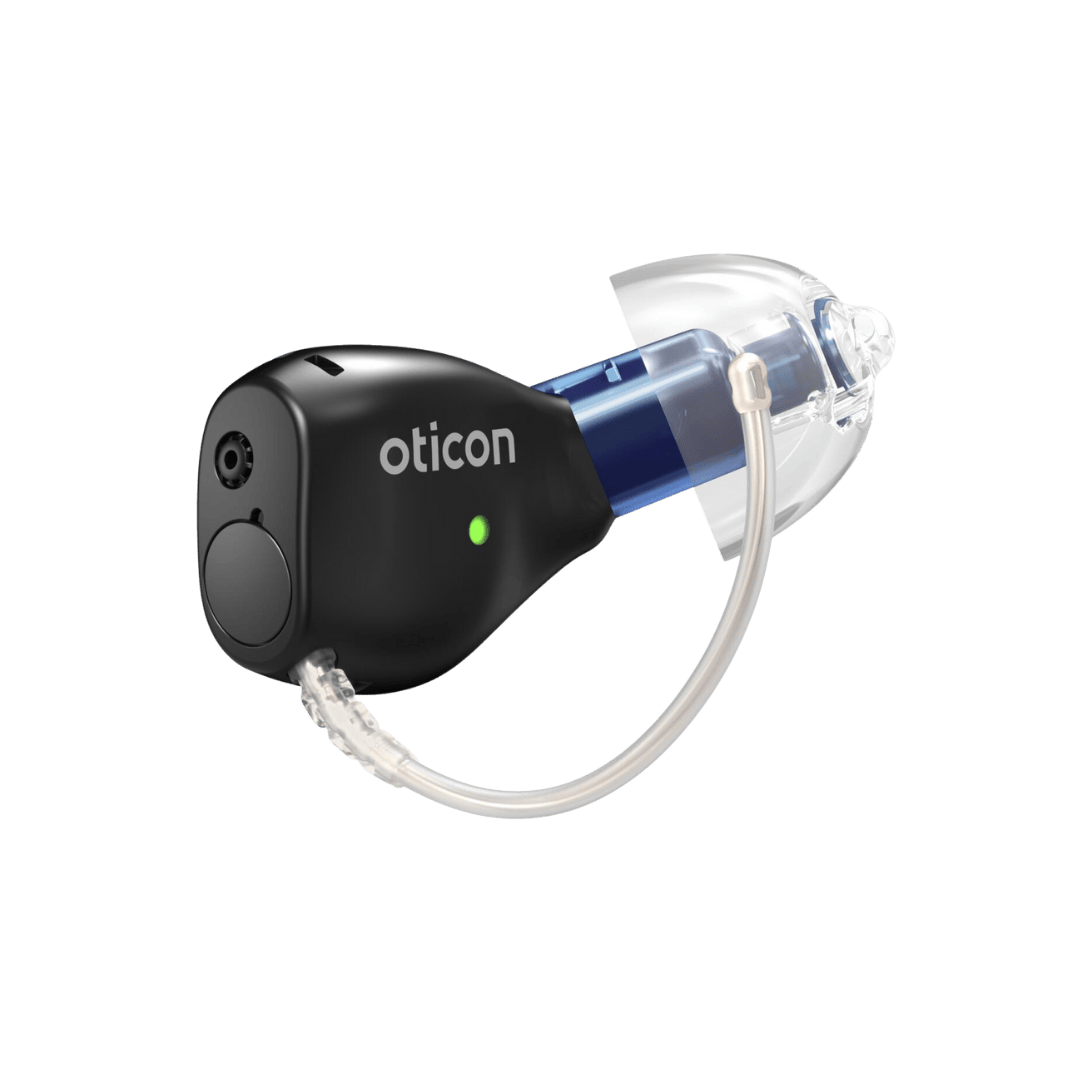
- Weight change can also affect hearing aid fit, particularly for custom molds or in-the-ear styles, which can lead to feedback, slippage, or reduced sound quality.
- If you notice sudden hearing loss, sudden severe dizziness, or one-sided new tinnitus, treat it as urgent and seek medical care promptly.
What are GLP-1 drugs (and which ones are people talking about)?
GLP-1 receptor agonists are medications used for type 2 diabetes and weight management. Common examples include:
- Semaglutide (Ozempic®, Wegovy®, Rybelsus®)
- Liraglutide (Saxenda®, Victoza®)
- Exenatide, and others
There are also newer related meds in the same general “incretin” space.
(If you’re taking one of these, your prescribing clinician is the best source for your specific risks and benefits.)
Ear symptoms people report while on GLP-1s
People commonly ask about:
- Tinnitus (ringing/buzzing)
- Aural fullness (a “plugged” feeling)
- Autophony (hearing your own voice/breathing loudly)
- Dizziness or balance changes (many causes—needs evaluation)
A 2025 analysis in The Laryngoscope that examined reported otolaryngologic adverse events found signals (in pharmacovigilance data) involving GLP-1 receptor agonists, including tinnitus signals for some agents. This kind of research can flag patterns—but it does not prove the medication caused the symptom.
The “weight loss effect” that can mimic hearing problems: eustachian tube changes
One of the most practical (and surprisingly common) explanations isn’t the medication directly—it’s the speed of weight loss.
Patulous eustachian tube dysfunction (PET)
The eustachian tube normally helps equalize ear pressure. With rapid weight loss, some people can develop patulous eustachian tube dysfunction, where the tube stays too open. Symptoms can include:
- Hearing your own voice loudly (“echo-y”)
- Hearing your breathing
- Ear “fullness” that comes and goes
A 2025 report and related literature review described an association between GLP-1 use/weight loss and eustachian tube dysfunction, including patulous ETD.
A 2025 case series also specifically reported patulous eustachian tube symptoms following GLP-1–associated weight loss.
Why this matters for hearing aids: PET can make the world sound “off,” and it can also make your own voice sound strange—something hearing aid users notice immediately.
How GLP-1s (or weight loss) can affect hearing aids even if your hearing hasn’t changed
Even without any medication side effect, body changes can cause hearing aid issues—especially if you’ve lost weight quickly.
1) Fit changes (custom molds and ITE devices)
Changes in soft tissue around the ear canal can sometimes alter how snug a custom device feels. That can cause:
- Whistling/feedback
- A device that “walks out” of the ear
- Less bass or reduced clarity
Audiology experts note that small weight changes usually don’t matter much—but larger changes can for some people.
2) Your “settings” may suddenly feel wrong
If you develop ear fullness, congestion, PET symptoms, or fluctuating pressure, hearing aids can feel:
- Too loud
- Too “boomy”
- Like your own voice is unnatural
This doesn’t automatically mean your hearing changed—it may mean your ear mechanics changed.
When to contact a clinician urgently
Don’t try to “wait it out” if you have:
- Sudden hearing loss in one or both ears
- New one-sided tinnitus with ear pressure/pain
- Severe vertigo, facial weakness, or neurologic symptoms
These can be unrelated to GLP-1s but require timely evaluation.
Practical checklist for GLP-1 users who wear hearing aids
If you’re on Ozempic/Wegovy/Mounjaro (or similar) and something feels off:
- Note timing and pattern
- When did symptoms start relative to dose changes?
- Is it constant or intermittent?
- Rule out the “usual suspects”
- Earwax changes, a mild ear infection, allergies/sinus congestion, or a dome/mold that isn’t sealing.
- Get a hearing aid fit check
- A quick in-office check can catch feedback, loosened molds, or venting issues.
- Ask about eustachian tube function
- If you have autophony (hearing your breathing/voice loudly), mention patulous eustachian tube specifically.
- Loop in your prescribing clinician
- Don’t stop or change GLP-1 medication on your own. If the symptom seems medication-timed, your prescriber can guide safe next steps.
FAQ
Can Ozempic or Wegovy cause tinnitus?
There are reports and pharmacovigilance “signals” involving tinnitus for some GLP-1 receptor agonists, but that does not prove causation. If tinnitus begins suddenly or is one-sided, get evaluated.
Can rapid weight loss affect my ears?
Yes. Rapid weight loss is a recognized trigger for patulous eustachian tube dysfunction in some people, which can cause autophony and fluctuating ear symptoms.
Can weight loss change how my hearing aids fit?
It can—especially for custom molds or in-the-ear styles—more commonly after more significant weight changes. A fit check is quick and often solves feedback or comfort issues.
If my hearing aids suddenly whistle, is that my hearing getting worse?
Not necessarily. Feedback is often caused by fit/seal changes, wax, or venting—though hearing changes are also possible. An audiologist can sort this out fast.