

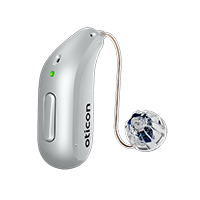
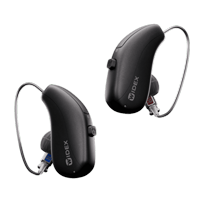
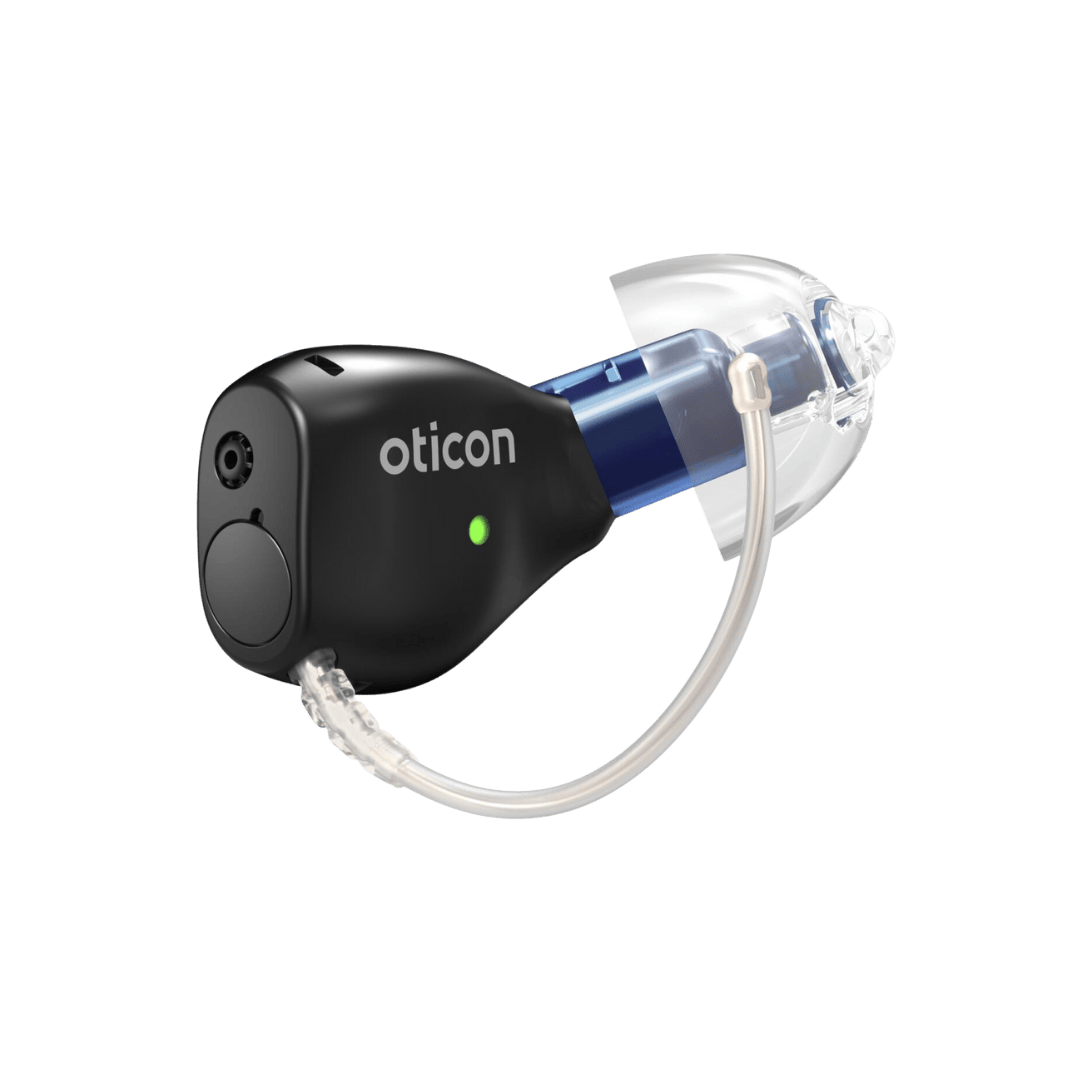



If you’re experiencing tinnitus and considering hearing aids as a solution, you might be wondering: “Can hearing aids make tinnitus worse?” This is a valid concern that many people share when exploring hearing loss treatment options. The good news is that properly fitted hearing aids rarely worsen tinnitus symptoms, and in most cases, they actually provide significant relief from the ringing, buzzing, or whistling sounds associated with this condition.
Understanding the Relationship Between Hearing Aids and Tinnitus
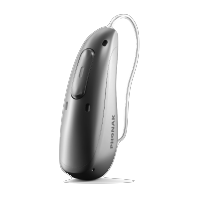
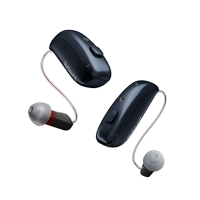
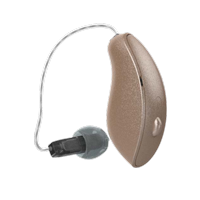
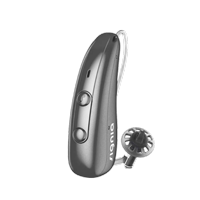
Tinnitus affects millions of Americans and is often closely linked to hearing loss. When you have hearing loss, your brain may compensate for missing sound input by creating phantom sounds, which we perceive as tinnitus. Hearing aids work by amplifying external sounds, which can help mask tinnitus symptoms and provide your brain with the auditory stimulation it needs.
The key to successful tinnitus management with hearing aids lies in proper fitting and programming. At CalHearing, our experienced audiologists understand the delicate balance required to optimize hearing aid settings for both hearing improvement and tinnitus relief.
When Might Hearing Aids Temporarily Worsen Tinnitus?
While it’s rare for properly fitted hearing aids to make tinnitus worse long-term, there are some situations where you might initially notice changes in your tinnitus perception:
- Adjustment period: Your brain needs time to adapt to amplified sounds
- Incorrect programming: Improper frequency settings or excessive amplification
- Poor fit: Ill-fitting hearing aids can cause feedback or discomfort
- Overamplification: Too much volume can potentially aggravate tinnitus symptoms
- Stress and anxiety: Worry about the new devices can temporarily increase tinnitus awareness
How Hearing Aids Actually Help With Tinnitus Relief
Research consistently shows that hearing aids are one of the most effective treatments for tinnitus, especially when tinnitus is associated with hearing loss. Here’s how they help:
- Sound enrichment: By amplifying environmental sounds, hearing aids provide auditory stimulation that can mask tinnitus
- Reduced strain: When you can hear better, your brain doesn’t have to work as hard, potentially reducing tinnitus intensity
- Improved communication: Better hearing reduces stress and anxiety, which can contribute to tinnitus symptoms
- Neural plasticity: Consistent sound input helps retrain your brain’s auditory processing
The Importance of Professional Hearing Aid Fitting
The success of tinnitus therapy with hearing aids depends heavily on professional assessment and fitting. During a comprehensive hearing test, audiologists can:
- Determine the specific frequencies affected by your hearing loss
- Assess the characteristics of your tinnitus
- Program hearing aids to address both hearing loss and tinnitus symptoms
- Provide ongoing adjustments and support during your adaptation period
Professional hearing aid fitting ensures that your devices are properly calibrated to provide maximum benefit without exacerbating tinnitus symptoms.
Advanced Hearing Aid Features for Tinnitus Management
Modern hearing aids offer specialized features designed specifically for tinnitus relief:
- Tinnitus masking programs: Built-in sound therapy options
- Customizable soundscapes: Nature sounds, white noise, or other masking sounds
- Frequency-specific programming: Targeted amplification for your specific hearing loss pattern
- Smartphone connectivity: Apps that allow you to control tinnitus therapy features
CalHearing’s Comprehensive Approach to Tinnitus and Hearing Loss
At CalHearing, we understand that every person’s experience with tinnitus and hearing loss is unique. Our comprehensive services include:
- Thorough hearing evaluations: Complete assessment of your hearing health and tinnitus symptoms
- Specialized tinnitus therapy: Customized treatment plans combining hearing aids with sound therapy
- Expert hearing aid fitting: Precise programming and fitting to optimize both hearing improvement and tinnitus relief
- Ongoing support: Regular follow-ups and adjustments to ensure continued success
- Hearing aid repairs: Maintenance services to keep your devices functioning optimally
- Hearing protection: Custom solutions to prevent further hearing damage
Our team serves multiple locations throughout California, and you can learn more about the areas we serve on our website.
Tips for Success With Hearing Aids and Tinnitus
To maximize the benefits of hearing aids for tinnitus relief:
- Be patient: Allow 2-4 weeks for initial adjustment to your new hearing aids
- Wear them consistently: Regular use helps your brain adapt more quickly
- Communicate with your audiologist: Report any concerns or changes in your tinnitus
- Follow up regularly: Attend all scheduled appointments for adjustments
- Practice good hearing hygiene: Protect your remaining hearing from further damage
When to Seek Professional Help
If you’re experiencing tinnitus with or without hearing loss, it’s important to seek professional evaluation. Tinnitus can sometimes indicate underlying health conditions that require medical attention. Additionally, early intervention with appropriate hearing aids and tinnitus therapy often leads to better outcomes.
For additional information about hearing health and tinnitus management, explore our resources section and blog, where we regularly share expert insights and tips for better hearing health.
Conclusion
The evidence overwhelmingly shows that properly fitted hearing aids do not make tinnitus worse and, in fact, provide significant relief for most people. While there may be a brief adjustment period as your brain adapts to amplified sounds, the long-term benefits of hearing aids for tinnitus management are well-documented.
The key to success lies in working with experienced hearing healthcare professionals who understand the complex relationship between hearing loss and tinnitus. With proper assessment, fitting, and ongoing support, hearing aids can be a powerful tool in your tinnitus management strategy.
Don’t let concerns about worsening tinnitus prevent you from seeking help for your hearing loss. With the right approach and professional guidance, you can experience significant improvement in both your hearing and tinnitus symptoms.
Ready to take the first step toward better hearing and tinnitus relief? Contact CalHearing today to schedule your comprehensive hearing evaluation and discover how we can help you find relief from tinnitus while improving your overall quality of life.