

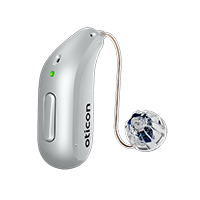
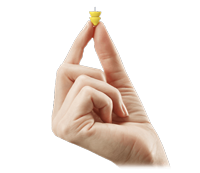
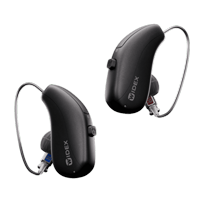
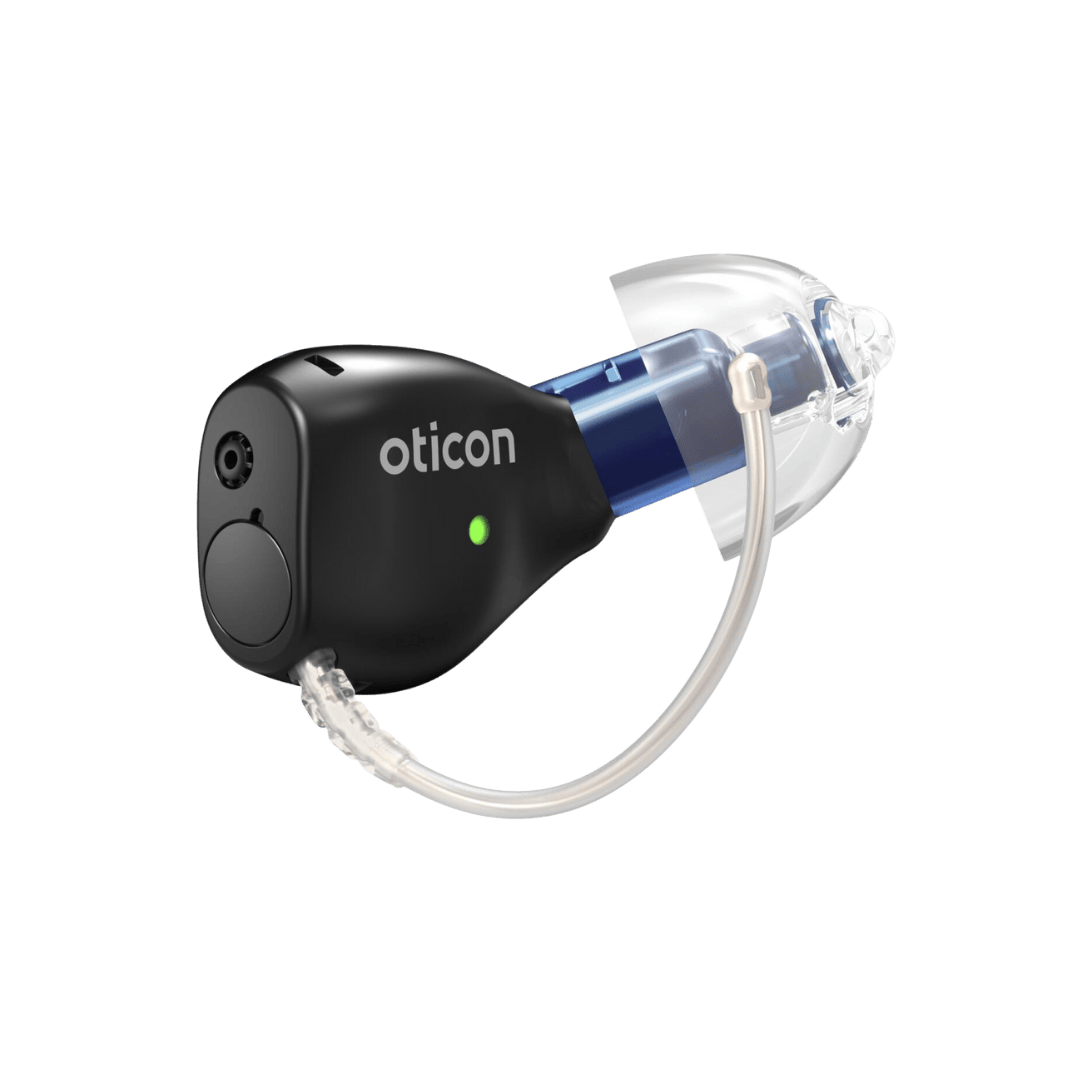
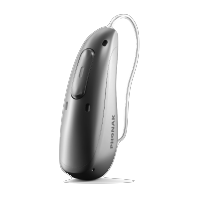
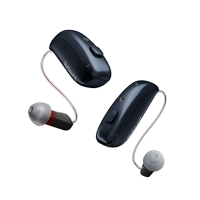
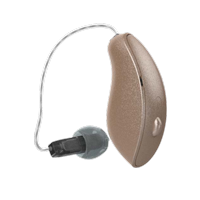
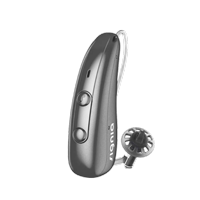
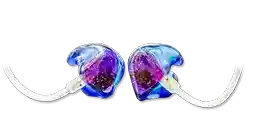


If you suffer from tinnitus, you’re not alone. This condition affects millions of people worldwide, causing persistent ringing, buzzing, or humming sounds in the ears. While there’s no definitive cure for tinnitus, many patients wonder if hearing aids can provide relief. The good news is that hearing aids can indeed help manage tinnitus symptoms, offering hope for those seeking effective treatment solutions.
Understanding the Connection Between Hearing Loss and Tinnitus
Research shows that approximately 90% of people with tinnitus also have some degree of hearing loss. This strong correlation isn’t coincidental. When the auditory system doesn’t receive adequate sound input due to hearing loss, the brain may compensate by creating phantom sounds, resulting in tinnitus.
The relationship between hearing loss and tinnitus works in several ways:
- Damaged hair cells in the inner ear can trigger both hearing loss and tinnitus
- Reduced sound input causes the brain to increase its sensitivity, potentially creating phantom sounds
- The auditory cortex may reorganize itself when deprived of normal sound input
How Hearing Aids Can Help Manage Tinnitus
Hearing aids offer multiple benefits for tinnitus sufferers, working through various mechanisms to provide relief. Professional hearing testing is essential to determine if hearing aids are appropriate for your specific situation.
Sound Masking and Environmental Enrichment
One of the primary ways hearing aids help with tinnitus is through sound masking. By amplifying environmental sounds that you might otherwise miss due to hearing loss, hearing aids can:
- Mask or cover up tinnitus sounds with natural environmental noise
- Provide the brain with more auditory input, reducing its tendency to create phantom sounds
- Help normalize the auditory system’s function
Neuroplasticity and Brain Retraining
Modern hearing aids can help retrain your brain’s auditory processing. When your hearing aids consistently provide proper sound input, your brain may gradually reduce the prominence of tinnitus sounds. This process, known as neuroplasticity, can lead to long-term tinnitus management.
Types of Hearing Aids for Tinnitus Relief
Different types of hearing aids can provide tinnitus relief, and the best choice depends on your specific hearing loss pattern and tinnitus characteristics. Professional hearing aid fitting ensures you receive the most appropriate device for your needs.
Traditional Hearing Aids
Standard hearing aids amplify sounds in frequencies where you have hearing loss. For many tinnitus sufferers, simply restoring normal hearing input is enough to significantly reduce tinnitus perception.
Combination Devices
Some advanced hearing aids include built-in tinnitus maskers or sound therapy features. These devices provide both hearing amplification and specific tinnitus relief sounds, such as:
- White noise or pink noise
- Nature sounds like ocean waves or rainfall
- Customizable tonal therapy
- Notched music therapy
What to Expect During Your Tinnitus and Hearing Aid Journey
If you’re considering hearing aids for tinnitus relief, understanding the process can help set realistic expectations. The journey typically involves several stages:
- Comprehensive evaluation: A thorough assessment of your hearing and tinnitus
- Device selection: Choosing the most appropriate hearing aid technology
- Professional fitting: Proper adjustment and programming of your devices
- Follow-up care: Regular adjustments and monitoring of your progress
Timeline for Tinnitus Relief
While some patients experience immediate tinnitus relief when first wearing hearing aids, others may need several weeks or months to notice significant improvement. Patience and consistent hearing aid use are crucial for optimal results.
Comprehensive Tinnitus Treatment Approaches
While hearing aids are often effective for tinnitus management, comprehensive care may involve additional treatments. Professional tinnitus therapy can include:
- Sound therapy and habituation training
- Counseling and stress management techniques
- Sleep hygiene education
- Lifestyle modification recommendations
Protecting Your Hearing
Prevention plays a crucial role in tinnitus management. Professional hearing protection services can help prevent further hearing damage that might worsen tinnitus symptoms.
Professional Services for Tinnitus and Hearing Loss
At Cal Hearing, we understand the complex relationship between hearing loss and tinnitus. Our comprehensive services are designed to address both conditions effectively:
Complete Hearing Healthcare
We provide a full range of hearing healthcare services, including:
- Advanced diagnostic hearing evaluations
- Personalized hearing aid consultations and fittings
- Specialized tinnitus assessment and therapy programs
- Custom hearing protection solutions
- Professional hearing aid maintenance and repairs
Our experienced audiologists serve multiple communities, and you can learn more about the areas we serve to find convenient care near you.
Ongoing Support and Education
We believe in empowering our patients with knowledge and ongoing support. Our hearing aid repair services ensure your devices continue functioning optimally, while our educational resources and informative blog provide valuable information about hearing health and tinnitus management.
Factors That Influence Success with Hearing Aids for Tinnitus
Several factors can impact how well hearing aids work for your tinnitus:
- Degree of hearing loss: More significant hearing loss often correlates with better tinnitus relief from hearing aids
- Type of tinnitus: Subjective tinnitus typically responds better than objective tinnitus
- Duration of tinnitus: Long-standing tinnitus may take longer to improve
- Consistency of use: Regular hearing aid use is essential for maximum benefit
- Individual brain plasticity: Each person’s ability to adapt varies
When to Seek Professional Help
If you experience tinnitus along with any of the following symptoms, it’s important to seek professional evaluation:
- Sudden onset of tinnitus or hearing loss
- Tinnitus in only one ear
- Pulsatile tinnitus that matches your heartbeat
- Tinnitus accompanied by dizziness or balance problems
- Tinnitus that significantly impacts your quality of life
The Future of Tinnitus Treatment
Hearing aid technology continues to evolve, offering new hope for tinnitus sufferers. Advanced features like artificial intelligence, smartphone connectivity, and personalized sound therapy programs are making tinnitus management more effective than ever before.
Modern hearing aids can adapt to your environment, automatically adjusting their tinnitus masking features based on your surroundings and needs. This technology represents a significant advancement in personalized tinnitus care.
Taking the Next Step
If you’re struggling with tinnitus and wondering whether hearing aids might help, the first step is a comprehensive hearing evaluation. Professional assessment can determine if hearing loss contributes to your tinnitus and whether hearing aids are appropriate for your situation.
Remember that tinnitus management is highly individual, and what works for one person may not work for another. However, with proper professional guidance and the right hearing aid technology, many people find significant relief from their tinnitus symptoms.
Don’t let tinnitus control your life. Modern hearing aids offer effective solutions for many tinnitus sufferers, and professional care can help you find the relief you deserve. Take the first step toward better hearing and reduced tinnitus by contacting us today to schedule your comprehensive hearing and tinnitus evaluation.