



Every major hearing aid manufacturer provides a baseline warranty covering defects in materials and workmanship — typically one year at the international level — but private audiology practices almost universally extend this to two or three years for repairs, and add separate loss and damage coverage on top. Understanding which warranty you actually have requires reading both the manufacturer’s terms and your clinic’s service agreement, because what’s printed in the device box and what you were sold at the fitting appointment are often two different things.
The “warranty” on your hearing aids is almost always a combination of two distinct coverages: a manufacturer repair warranty (covers defects and malfunctions) and a separate loss and damage policy (covers accidental loss, drops, moisture damage). These are different products, start separately, and have different terms. Most patients believe they have one comprehensive warranty when they actually have two partial ones — and don’t discover the gap until they file a claim. Before leaving your fitting appointment, ask specifically: “What does repair cover, what does loss and damage cover, how long does each last, and what is the deductible for each?”
Major Manufacturer Warranty Terms at a Glance (2025–2026)
| Manufacturer | Repair Warranty (Defects) | Loss & Damage Coverage | Rechargeable Battery | Key Notes |
|---|---|---|---|---|
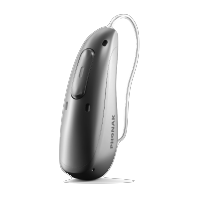
| Phonak (Sonova) | 1 year international (manufacturer baseline). Most U.S. authorized clinics bundle 3-year repair coverage as part of their service agreement at point of sale. Children’s devices: up to 5 years at participating clinics. | Loss and damage is not included in the standard manufacturer warranty. Separate L&D coverage (1 replacement per policy period, with deductible) is available through the clinic or third-party ESCO. Adults: typically 3 years; children: up to 5 years at participating clinics. | 2 years | Accessories (earmolds, tubing, batteries, external receivers) are excluded from manufacturer warranty. Replacement device under L&D must be same model — no upgrades. |
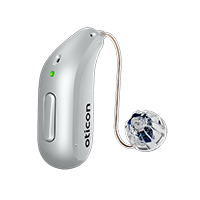
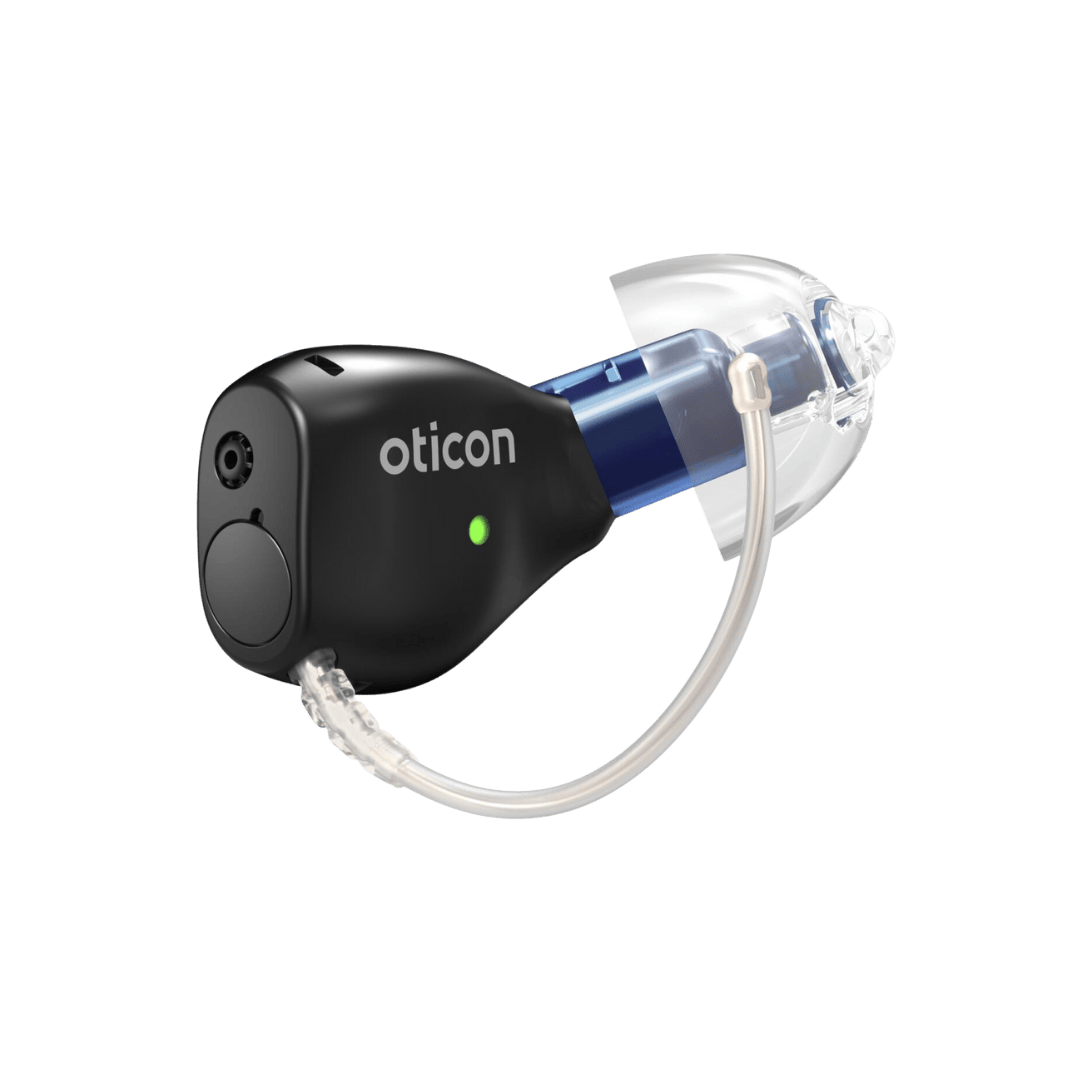
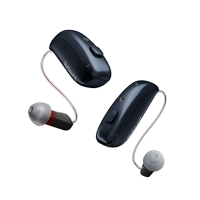
| Oticon (Demant) | 1 year international (manufacturer baseline). U.S. authorized clinics typically provide 3-year repair coverage as part of their bundled service plan. | Not included in standard manufacturer warranty. Separate L&D available through clinic or ESCO partnership. Standard: 1–3 years depending on clinic agreement and tech level purchased. | 2 years | Warranty terms vary meaningfully by clinic — Oticon explicitly allows individual dealers to set their own extended warranty pricing and duration. Earpieces, tubing, and domes excluded. Damage from water, chemicals, or unauthorized repair voids warranty. |
| ReSound (GN Group) | 1 year international (manufacturer baseline). U.S. clinics typically extend to 3 years repair as part of service package. ReSound Nexia and Vivia: 3-year repair standard at most U.S. authorized dispensers. | Not included in standard manufacturer warranty. Separate L&D available through clinic or ESCO. Typically 1–3 years with one-time replacement, deductible applies. | 2 years | ReSound is an ESCO partner manufacturer — in-warranty L&D replacement is available through ESCO at discounted pricing. Auracast-enabled models (Nexia) carry same warranty terms as prior lines. |
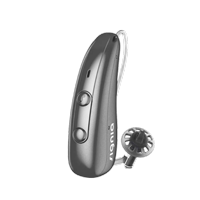
| Signia / Rexton (WS Audiology) | 1 year international (manufacturer baseline). U.S. clinics typically bundle 3-year repair. Signia IX and Rexton Reach: 3-year repair standard at most authorized U.S. dispensers. | Not included in standard manufacturer warranty. Separate L&D available through clinic or ESCO partnership. Typically 1–3 years. | 2 years | Signia and Rexton share Siemens/WS Audiology heritage and identical warranty infrastructure. Own Voice Processing (OVP) feature covered under standard repair warranty. Rexton Reach (Costco’s brand) carries Costco’s own 2-year bundled L&D policy, which differs from standard clinic terms. |
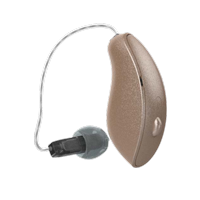
| Starkey | 1 year international (manufacturer baseline). Premium technology (Edge AI) typically includes 3-year repair at U.S. authorized clinics. | Premium technology typically includes 3-year L&D at authorized U.S. clinics. One replacement per ear per warranty period; deductible applies. Mid-range and value lines may carry shorter L&D terms — confirm at purchase. | 2 years | Starkey is a U.S.-headquartered manufacturer (Eden Prairie, MN) — U.S. service infrastructure is notably strong. The Thrive app and Edge AI health features are covered under standard warranty. Fall detection and health tracking accessories have separate support terms. |
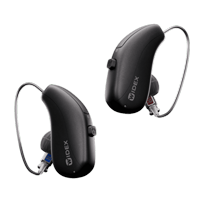
| Widex (WS Audiology) | 1 year international (manufacturer baseline). Premium technology (Allure, Moment SmartRIC) typically includes 3-year repair at U.S. authorized clinics. | Premium technology typically includes 3-year L&D at authorized U.S. clinics. One replacement per ear per warranty period; deductible applies. | 2 years | Widex and Signia share WS Audiology ownership but maintain separate brand identities and distinct sound processing philosophies. Widex ZeroDelay PureSound technology covered under standard repair warranty. SmartRIC L-shaped design components covered. |
| Jabra Enhance Pro (GN / Costco) | 2 years repair (included in Costco’s bundled all-in price). | 2 years L&D included — one of the most transparent all-in warranty structures available at any purchase channel. Costco membership required to access service. | 2 years | Jabra Enhance Pro is essentially equivalent to ReSound Nexia in core technology but sold exclusively through Costco under the Jabra brand. Costco’s 2-year L&D inclusion is a genuine value advantage. Costco membership required for all service access — if membership lapses, warranty service may be affected. |
The most important thing to understand about this table: The “1-year international” baseline figures are the manufacturer’s floor — what you receive if you buy from an unauthorized source or abroad. When purchasing from a licensed U.S. audiology practice, you are almost always receiving a bundled 3-year service plan that includes repair coverage far beyond the manufacturer’s published minimum. The meaningful comparison is between clinics’ bundled service plans, not manufacturer baselines.
What’s the difference between repair warranty and loss and damage coverage?
These are two entirely separate protections that are frequently confused — and the confusion is understandable, because they’re often presented together as a single “warranty.” Understanding the distinction is essential before you file a claim.
Repair warranty covers defects in materials and workmanship — situations where the hearing aid stops functioning correctly through no fault of the user. A receiver that burns out, a microphone that fails, a circuit board that malfunctions — these are warranty repairs. The manufacturer or clinic fixes or replaces the device at no charge during the warranty period. Most major manufacturers’ standard repair warranty covers manufacturing defects only; user-caused damage (drops, moisture, chemical exposure) may be handled under repair warranty at the clinic’s discretion with a service fee, or declined entirely.
Loss and damage (L&D) coverage covers accidental loss or damage beyond repair — a hearing aid lost down a drain, crushed by a car door, or destroyed by water immersion. This is insurance-like coverage that provides a replacement device (typically the same model, not an upgrade) in exchange for a deductible payment. L&D coverage is a separate policy from the repair warranty, has its own deductible (typically $200–$500 per device), covers one replacement per ear per policy period, and does not renew automatically on the replacement device unless specifically purchased.
The critical nuance: if your hearing aid is lost or damaged and your L&D coverage replaces it with a new device, that replacement device does not automatically come with a new L&D policy. You must purchase L&D coverage for the replacement separately. ESCO — the primary third-party warranty administrator for major manufacturers — makes this point explicitly in their patient communications.
What is typically excluded from hearing aid warranties?
✅ Generally covered
- Manufacturing defects — components that fail under normal use
- Receiver (speaker) replacement in most clinic service plans
- Circuit board and digital processor failures
- Battery door and mechanical component failures
- Firmware updates and programming changes at follow-up visits (in bundled clinic plans)
- One replacement device per ear per L&D period (with deductible)
⚠️ Generally excluded
- Consumable accessories: domes, wax guards, tubing, earmolds, disposable batteries
- Damage from misuse, abuse, chemical exposure, or unauthorized repair
- Cosmetic damage (scratches, discoloration) that doesn’t affect function
- Loss due to theft — most L&D policies cover accidental loss, not theft
- Second replacement under L&D in same policy period (only one replacement per ear)
- Out-of-warranty repairs (charged at manufacturer’s service rate — typically $150–$350)
What is the deductible for loss and damage claims?
Deductible amounts vary by manufacturer and clinic but typically fall between $200 and $500 per device for a standard premium hearing aid. Some clinics waive or reduce the deductible for established patients; others negotiate better deductible rates as part of their wholesale manufacturer agreement.
Importantly, the deductible applies per device — not per pair. If you lose both hearing aids simultaneously, you pay the deductible twice. This is a detail that catches people by surprise and is worth clarifying at the time of purchase.
The replacement device under an L&D claim must typically be the same model as the original device — you cannot use an L&D claim as an opportunity to upgrade to a newer or higher technology level. If you want to upgrade at the time of replacement, you pay the difference. Your audiologist can walk through whether this makes financial sense given the age of your devices and available new technology.
Does the warranty transfer if I move or change audiologists?
The manufacturer’s repair warranty follows the device, not the clinic — meaning if you move and need warranty service, any authorized dispenser for that manufacturer can handle the repair and submit it under the original warranty. You should keep your purchase documentation (receipt or invoice showing purchase date) as proof of warranty status.
Loss and damage coverage is more complicated. If your L&D policy was sold through your original clinic as an in-house program (rather than through ESCO or another third-party insurer), it may not transfer. Clinic-specific L&D policies are administered by the selling practice — if you’re no longer their patient, filing a claim may require re-engaging with them. This is another reason to ask at purchase whether L&D coverage is through the manufacturer, a third party like ESCO, or the clinic directly.
At California Hearing Center, we can accept warranty repair submissions for devices from any authorized manufacturer we carry, and we’re happy to assist patients who have moved or changed providers in navigating the repair process for existing devices.
What should you confirm in writing before leaving your fitting appointment?
Warranty conversations are easy to have at the point of sale and nearly impossible to resolve favorably after a dispute arises. Before leaving your fitting appointment, confirm and document the following:
Repair warranty duration — how many years, starting from what date, covering what specifically. Get this in writing on your service agreement or invoice.
Loss and damage coverage duration — separate from repair, how many years, what the deductible is per device, and how many replacements are covered per ear per policy period.
Who administers the L&D policy — the clinic directly, the manufacturer, or a third party like ESCO. This determines whether coverage travels with you if you change providers.
Whether replacement devices receive new coverage — if you use your L&D claim, does the replacement come with a new repair warranty? Does new L&D coverage need to be purchased separately?
Out-of-warranty repair rates — after the warranty period ends, what does a repair cost? Most manufacturers charge $150–$350 for out-of-warranty service; knowing this upfront helps with the repair-vs-replace decision later.
Why Choose California Hearing Center?
At California Hearing Center, we explain warranty terms clearly at every fitting appointment and document them in your service agreement — no fine print surprises. We work directly with all major manufacturer warranty programs and with ESCO for loss and damage coverage, and we’ll help you navigate a claim if and when you need to file one. If you have existing hearing aids and aren’t sure what warranty coverage you currently have, bring your paperwork to your next appointment and we’ll review it with you.
- Phonak. (2025). Warranty for Phonak hearing aids. Phonak Knowledge Base. — Official manufacturer warranty terms including 1-year international baseline and accessory exclusions. phonak.com
- ESCO. (2025). In-Warranty Replacement Device Coverage — Oticon, Phonak, ReSound, Signia, Widex. — Third-party L&D insurance program documentation for major manufacturer partnerships; source for “replacement device does not include new L&D” note. esco.com
- AssistedLiving.org. (2024). Oticon Hearing Aids: Warranty and Return Policy. — Summary of Oticon’s manufacturer baseline warranty terms, dealer variability policy, and accessory exclusions. assistedliving.org
- HearingHealthMatters / AudiologyOnline. (2025). Best Hearing Aids 2025 — Warranty Data. — Compiled warranty data for Widex, Starkey, and Oticon premium technology lines including 3-year repair and 3-year L&D at authorized U.S. clinics. hearinghealthmatters.org
- HearingTracker. (2025). Costco Hearing Aids: What’s Included. — Documents Costco’s 2-year bundled repair and L&D policy and Jabra Enhance Pro / Rexton Reach warranty terms. hearingtracker.com
- HealthyHearing. (2024). Hearing aid warranties explained: What’s covered and what isn’t. — Consumer-facing overview of repair warranty vs. L&D, typical deductible ranges, and extended warranty options. healthyhearing.com