

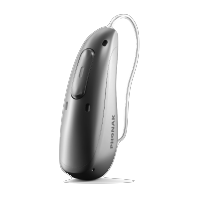
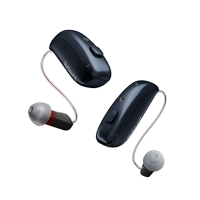
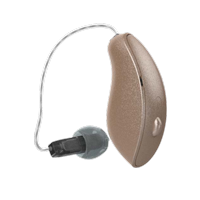
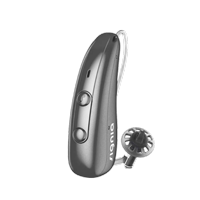


At California Hearing Center, we believe every patient should walk into a hearing aid purchase knowing exactly what their rights are — not find out after the fact. California has some of the strongest hearing aid consumer protections in the country, and most people who buy hearing aids never read the fine print that describes them. This guide translates the law into plain English, covers the federal baseline for context, and answers the questions we hear most often at the front desk.
California & Federal Hearing Aid Return Rights at a Glance
| Protection | What It Covers | Minimum Period | Source |
|---|---|---|---|
| California trial period — hearing aids | Every new or used hearing aid sold in California must come with a written warranty giving you at least 45 days to return it if it is not fit for your particular needs. The seller must adjust, replace, or fully refund. Sellers may voluntarily offer longer periods. | 45 days from initial delivery date | California Civil Code § 1793.02 (Song-Beverly Consumer Warranty Act), as amended by SB 1326, effective January 1, 2015 |
| California trial period — other assistive devices | All other assistive devices (not hearing aids) sold in California carry the same warranty right but with a 30-day window from receipt or completion of fitting, whichever is later. | 30 days | California Civil Code § 1793.02(a)(1) |
| Written warranty requirement | The written warranty must be delivered to you at the time of sale, must appear on the first page in at least 10-point bold type, and must include the delivery date and expiration date filled in — not left blank. | Required at point of sale | California Civil Code § 1793.02(b) & (a)(2)(C) |
| Rights cannot be waived | A seller cannot ask you to sign away your California return rights. Any clause in a contract that attempts to waive these rights is unenforceable under California law. | Non-waivable | California Civil Code § 1793.02(f) |
| Used hearing aids | California law expressly gives buyers of used hearing aids the same return and warranty rights as buyers of new ones. A “pre-owned” or “refurbished” label does not reduce your protections. | Same 45-day minimum | California Civil Code § 1793.02(g) |
| In-home contract cancellation (federal + CA) | If you sign a hearing aid purchase contract in your home — not at the seller’s place of business — both federal FTC rules and California law give you 3 business days to cancel for any reason, no questions asked. | 3 business days | FTC Cooling-Off Rule (16 CFR Part 429) + California Civil Code § 1689.5 |
| Mail-order / internet sales | California law requires that internet or mail-order hearing aids be sold only through a California-licensed dispenser. If no in-person fitting occurs, the seller must not provide fitting advice or take ear impressions. Same 45-day return right applies. | 45 days | California Business & Professions Code § 3310 et seq. |
| Federal baseline (FDA) | Federal law does not mandate a specific trial period for hearing aids sold through licensed providers — California’s 45-day protection exceeds the federal floor. The FDA does require that providers offer a medical evaluation referral or signed waiver before dispensing to adults 18+. | No federal minimum trial period | FDA 21 CFR Part 801.421 |
The most important line in the law: Your California return rights cannot be waived. If a seller presents a contract with language limiting or eliminating your 45-day return right, that clause is unenforceable. You do not have to accept reduced rights as a condition of purchase.
1. What “Not Fit for Your Particular Needs” Actually Means
The warranty protects you if the hearing aid is not “specifically fit for your particular needs.” This is a broader standard than simply “the device is broken.” It covers situations where the device works technically but doesn’t adequately address your hearing loss, causes persistent discomfort, or fails to perform as expected for your lifestyle — not just cases of hardware failure.
This distinction matters. You don’t need to prove the hearing aid is defective to trigger your return right. If after a genuine trial period — and reasonable attempts by the provider to adjust or fit the device — it still isn’t meeting your needs, you are entitled to a return, replacement, or full refund under California law.
In practice, reputable audiologists — including our team at California Hearing Center — will work through multiple fitting adjustments before a return conversation arises. The goal is always to get to a successful fit. But the protection exists precisely because hearing aids are complex, individualized medical devices, and not every first fit is the right fit.
2. What the Seller Must Do When You Return
Under California Civil Code § 1793.02, when you return a hearing aid within the warranty period, the seller has three options — and you are entitled to one of them without charge and within a reasonable time:
Adjust the device — reprogram or refit the hearing aid so it better meets your needs. This is the most common outcome and often resolves the issue without a full return.
Replace the device — substitute a different model that is better suited to your particular hearing needs.
Refund the total amount paid — a full refund, with no restocking fee or deduction, if adjustment and replacement are not appropriate or acceptable.
Note the word “promptly” in the statute — the refund obligation is not open-ended. If a seller is delaying unreasonably, that is worth escalating. See the complaint process section below.
3. What Isn’t Covered — Important Limits to Know
✅ Covered by the 45-day right
- Hearing aid not adequately addressing your hearing loss
- Persistent physical discomfort despite fitting adjustments
- Device not performing as expected for your lifestyle
- Hardware defects discovered during the trial period
- New and used hearing aids — both are covered equally
- Mail-order and internet purchases from CA-licensed dispensers
⚠️ Outside the statutory minimum
- Damage caused by misuse, moisture, or physical impact after delivery
- Returns requested after the warranty period expires
- Surgical implants (cochlear implants) — explicitly excluded from assistive device warranty law
- OTC hearing aids purchased from national retailers — subject to that retailer’s own return policy, not California’s dispensing law
- Accessories (domes, wax guards, chargers) sold separately
Common Questions — Answered
Q: Does the 45 days start from when I pay, or when I receive the hearing aids?
From the initial date of delivery — meaning the day the hearing aids are physically delivered to you or fitted by the seller, whichever is documented first. The seller is required by law to write the delivery date and expiration date on your written warranty at the time of delivery. If those dates are blank, ask for them to be filled in before you leave the office.
Q: Can the seller charge a restocking or trial fee?
The law requires a refund of “the total amount paid” — which means a seller cannot legally deduct a restocking fee from a return that falls within the 45-day statutory period. Some providers charge a separate “fitting fee” or “professional services fee” at the time of purchase that is disclosed as non-refundable — this is a separate service charge, not a deduction from the device price itself. Always ask at the time of purchase exactly what is and isn’t refundable, and get it in writing.
Q: My audiologist offers a 60-day trial. Does that replace my 45-day legal right?
No — it extends it. California law sets a floor of 45 days; sellers can offer longer periods but cannot offer shorter ones. A 60- or 75-day trial period is more generous than the legal minimum and gives you additional time, not fewer rights. At California Hearing Center, our trial period exceeds the statutory minimum because we believe extra time leads to better outcomes for patients.
Q: I bought hearing aids online. Do I have the same rights?
If the seller is a California-licensed hearing aid dispenser, yes — the same 45-day right applies. California law also restricts internet/mail-order sales: the seller must be California-licensed, and they cannot provide fitting advice or take ear impressions remotely. If the seller is an out-of-state retailer or an OTC platform not operating under a California dispensing license, your rights depend on that retailer’s own return policy and any applicable federal rules — not California’s dispensing statute.
Q: I signed a contract saying I waive my return rights. Is that binding?
No. California Civil Code § 1793.02(f) explicitly states that your return rights under this section are not subject to waiver. Any contract clause that attempts to eliminate or reduce your 45-day return right is unenforceable as a matter of California law, regardless of what you signed.
Q: The seller is refusing my return. What do I do?
Start by putting your return request in writing (email is fine) and referencing California Civil Code § 1793.02 specifically. If the seller still refuses, you have several escalation options: file a complaint with the California Speech-Language Pathology and Audiology and Hearing Aid Dispensers Board (SLPAHADB) at speechandhearing.ca.gov; contact the California Department of Consumer Affairs; or consult a consumer rights attorney. Small claims court is also an available option for disputes within its dollar limits.
Q: Do OTC hearing aids have the same return rights?
OTC hearing aids sold at pharmacies and consumer electronics retailers are not sold through licensed dispensers, so California’s dispensing statute does not apply to them in the same way. Your rights depend on the retailer’s return policy — which may be more generous than the law requires (many national retailers offer 30–90 day returns) but is not governed by the 45-day hearing aid warranty law. Always read the return policy before purchasing OTC devices.
Q: I signed the contract at home, not in the office. Does that change anything?
Yes — in your favor. If a hearing aid purchase contract was signed in your home (or somewhere other than the seller’s regular place of business), both the federal FTC Cooling-Off Rule and California’s Home Solicitation Sales Act give you 3 business days to cancel for any reason, with no penalty. This right is in addition to — not instead of — your 45-day trial period right.
4. How to Protect Yourself at the Time of Purchase
Knowing your rights in advance is the best consumer protection. Here’s what to do at the point of sale to make sure you’re covered.
Confirm the trial period in writing before signing anything. Ask the provider directly: “What is your trial period, and what does it cover?” The answer should be at least 45 days. If the answer is shorter, that is a legal violation worth noting before you proceed.
Check your written warranty before leaving the office. The warranty must include the delivery date and expiration date filled in, and must appear on the first page in bold. A blank warranty document is a compliance gap — ask for it to be completed before you leave.
Ask specifically what fees are non-refundable — if the provider charges a fitting or professional services fee separately from the device cost, ask whether that fee is refundable if you return the aids. The device cost must be fully refundable within the trial period; service fees depend on the provider’s disclosed policy.
Keep a record of all fitting appointments and adjustments. If a return situation does arise, documentation of the adjustment attempts you made in good faith strengthens your position and demonstrates you gave the trial a genuine effort.
Why Choose California Hearing Center?
At California Hearing Center, we exceed California’s statutory minimums on trial periods because we believe that confidence in your purchase produces better outcomes. Our patients receive a written warranty with all dates completed at the fitting appointment, a clear explanation of what the trial period covers, and direct access to our audiologists throughout the adjustment period. If the fit isn’t right, we work through every adjustment option available — and if it still isn’t right, we honor our commitment to you.