



At California Hearing Center, we see it regularly: hearing aids that sounded great at the fitting but have quietly degraded over months of daily wear — not because anything broke, but because they were never cleaned. Earwax, moisture, and debris are the leading causes of preventable hearing aid repairs and early device failure. A simple, consistent maintenance routine — paired with professional servicing every four to six months — can double the useful life of your devices and keep them performing the way they did on day one. Here’s exactly what that routine looks like.
Your Hearing Aid Maintenance Schedule at a Glance
| Frequency | What to Do | Why It Matters | Time Required |
|---|---|---|---|
| 🗓️ Daily | Wipe the exterior with a dry, soft cloth. Check and clear the microphone ports and receiver opening with a wax pick or soft brush. Open the battery door (or place in charger) overnight. Store in a dry, ventilated case. | Earwax migrates into receiver ports every day — even invisible amounts degrade sound quality over time. Overnight drying prevents moisture damage to internal components. | 2–3 minutes |
| 📅 Weekly | Replace wax guards or filters (more often if you produce heavy earwax). Clean earmolds or domes with a damp cloth — never submerge. Check tubing (BTE aids) for cracks, discoloration, or moisture. Inspect battery contacts for corrosion. | Clogged wax guards are the #1 cause of “dead” hearing aids brought in for repair. Weekly checks catch blockages before they affect performance. Cracked tubing causes feedback and sound distortion. | 5–10 minutes |
| 🗓️ Monthly | Deep-clean earmolds by soaking in warm soapy water (remove from the hearing aid first and allow to dry completely before reattaching). Replace tubing if stiff or yellowed. Check the fit — earmolds harden and lose their seal over time. | A poor earmold seal causes feedback, reduces amplification efficiency, and places extra strain on the receiver. Monthly checks prevent small fit issues from becoming big performance issues. | 15–20 minutes |
| 🏥 Every 4–6 Months | Professional in-clinic cleaning, inspection, and servicing. Includes ultrasonic cleaning, receiver and microphone checks, tubing replacement if needed, wax system inspection, battery contact cleaning, and a full performance check with listening tube verification. | Removes debris that at-home tools can’t reach. Catches early signs of component wear before they become failures. Also aligns with your hearing check cadence — sound needs can shift, and so can your programming needs. | 30–45 minutes |
Quick rule of thumb: If your hearing aid sounds quieter than usual, seems “dead,” or is producing more feedback than normal — check the wax guard before anything else. A blocked wax filter accounts for a large share of the “my hearing aid stopped working” calls we receive, and replacing it takes 30 seconds.
1. Daily Habits That Prevent Most Repairs
The vast majority of hearing aid damage is slow and invisible — moisture accumulating in the receiver, wax building up in microphone ports, debris settling into the casing joints. None of it is dramatic. All of it is preventable with a two-minute end-of-day routine.
When you remove your hearing aids each night, wipe them down with a clean, dry cloth before putting them away. Never use alcohol wipes, water, or cleaning sprays directly on the device — these can damage internal components and void warranties. A dry cloth and a soft brush are all you need for the exterior.
If you use disposable batteries, leave the battery door open overnight. This allows residual moisture to escape and extends battery life. If you use rechargeable aids, place them in their charging case as usual — most modern charging cases are designed with ventilation that helps with moisture management.
For patients who perspire heavily, swim, or live in humid climates, our team at California Hearing Center recommends a dedicated hearing aid dehumidifier or drying kit. These remove moisture far more effectively than passive storage and can significantly extend the life of internal receivers.
2. Weekly Maintenance: The Wax Guard Is Your Best Friend
Wax guards — also called wax filters or cerumen guards — are small mesh screens that sit at the receiver (speaker) opening of your hearing aid, preventing earwax from entering the device. They are inexpensive, widely available, and almost always the first thing to check when a hearing aid loses volume or stops working entirely.
How often you need to replace them depends entirely on how much earwax your ears produce. Some patients replace wax guards monthly; heavy producers may need to do it weekly. Your audiologist will advise you based on your ear anatomy at your fitting appointment. If you’re not sure, checking weekly and replacing when the mesh appears discolored or when sound quality drops is a reliable approach.
While you’re doing your weekly check, inspect the domes or earmolds. Silicone domes (the small tip that sits in the ear canal) should be replaced every one to three months even if they look clean — they harden over time, losing their seal and comfort. Bring a few spares to every clinic visit so your audiologist can swap them if needed.
3. What Happens at a Professional 4–6 Month Service?
At-home maintenance keeps your hearing aids functional day to day, but it can’t reach the places where debris accumulates over months of use. Professional servicing at California Hearing Center goes significantly deeper than anything you can do at home.
A typical 4–6 month service appointment includes an ultrasonic cleaning of earmolds and tubing, a thorough inspection of the receiver and microphone ports using magnification, replacement of wax guards and any tubing that shows wear, cleaning of battery contacts, and a full listening tube check to verify that the device is performing within expected parameters. If anything falls outside normal range, we’ll identify it at the service visit rather than waiting for a failure.
Equally important: this visit is an opportunity to reassess your hearing and your programming. Hearing can shift — gradually and without obvious symptoms — and a hearing aid that was perfectly calibrated twelve months ago may no longer be optimally set for your current audiogram. Pairing your service visit with a brief listening check helps us catch these changes early.
4. Signs Your Hearing Aids Need Servicing Before the 4–6 Month Mark
✅ Handle at home first
- Reduced volume or muffled sound → check and replace wax guard
- Intermittent sound → check battery contacts for corrosion or debris
- Whistling/feedback → check dome seal; reseat the device in the ear
- Battery draining faster than usual → clean contacts; try a fresh battery
- Slight discomfort → check dome for hardening or deformation
⚠️ Call us — don’t wait
- Complete loss of sound after replacing the wax guard and battery
- Visible cracks in the casing or tubing
- Persistent feedback that repositioning doesn’t resolve
- Distorted or crackling sound quality
- Physical damage from a drop, moisture exposure, or impact
5. Moisture: The Hidden Threat to Hearing Aid Longevity
Moisture is responsible for more hearing aid failures than any other single factor — and it’s the most underestimated. It enters the device as perspiration during exercise, as humidity on warm days, as condensation when moving between air-conditioned and outdoor environments, and in small amounts simply from the warmth of the ear canal.
Modern hearing aids are significantly more water-resistant than previous generations — most carry an IP68 rating, meaning they can tolerate brief water exposure. But water-resistant is not waterproof, and resistance ratings don’t account for months of accumulated microscopic moisture exposure. Even IP68-rated devices benefit from nightly drying.
If you’re active, work outdoors, or live in a coastal environment, ask our team at California Hearing Center about hearing aid dehumidifier options at your next appointment. A small investment in a drying system can meaningfully extend the life of a device that costs several thousand dollars.
6. Maintenance Varies by Hearing Aid Style — Know Your Device
Not all hearing aids require the same maintenance routine. The style of your device determines which components need attention and how often.
Behind-the-ear (BTE) aids with earmolds require the most hands-on maintenance — tubing needs regular inspection and replacement every three to six months, and earmolds benefit from monthly deep cleaning. The upside is that the main electronic components sit behind the ear, away from the ear canal environment.
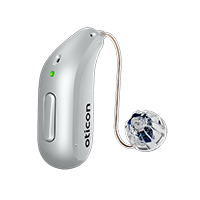
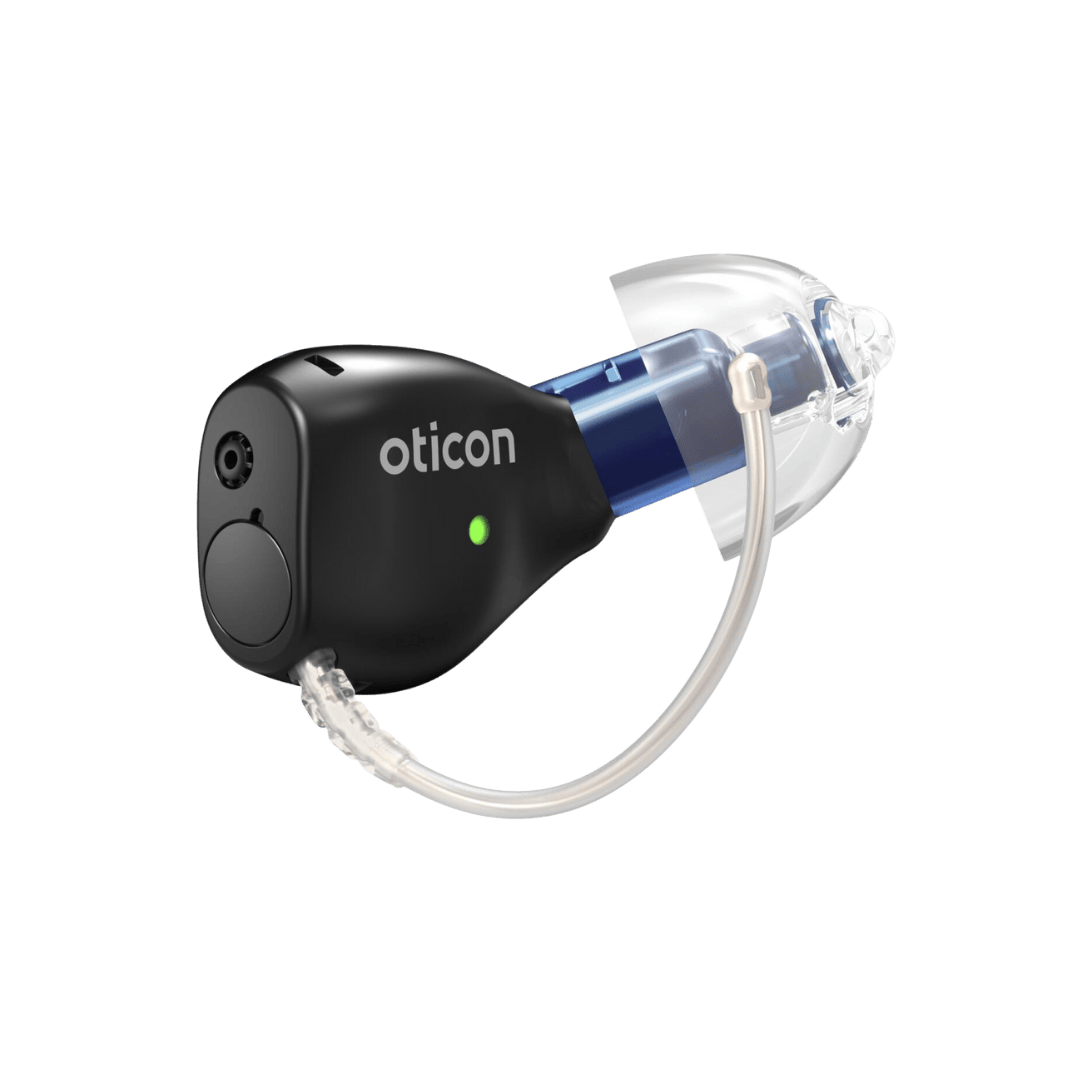
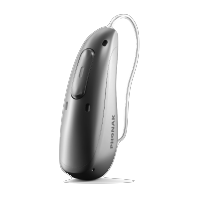
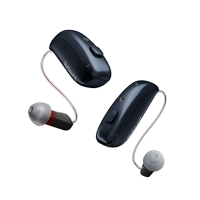
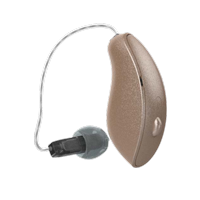
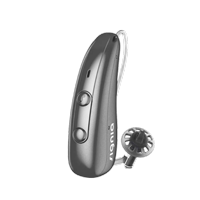
Receiver-in-canal (RIC/RITE) aids are the most popular style today and the most vulnerable to wax and moisture damage, because the receiver sits directly in the ear canal. Wax guard replacement is especially important for these devices. Most RIC receivers can be replaced in-clinic relatively affordably if they do fail.
In-the-ear (ITE) and in-the-canal (ITC/CIC) aids are fully housed inside the ear canal, making moisture and wax management critical. Their compact size also means fewer user-serviceable parts — professional cleaning visits are particularly valuable for these styles.
Why Choose California Hearing Center for Your Hearing Aid Servicing?
At California Hearing Center, professional cleaning and servicing is part of how we support every patient long after the fitting appointment. Our audiologists use clinical-grade equipment, inspect every component thoroughly, and combine your service visit with a listening check so nothing gets missed. Whether you’re due for your regular 4–6 month service, dealing with a specific issue, or just want to make sure your devices are in peak condition, we’re here to help.