

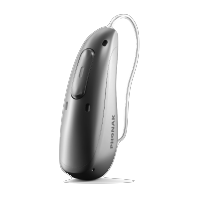
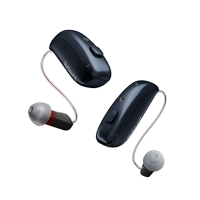
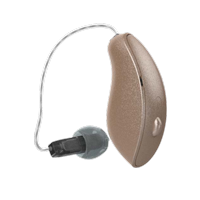
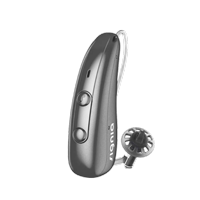


At California Hearing Center, one of the most common questions we hear from new patients is: “How long before this feels normal?” It’s a fair question. Getting fitted with hearing aids is a significant step — and it’s completely natural to wonder how much patience the journey requires. The short answer is that most people feel meaningfully comfortable within a few weeks to a few months, but the full picture is a little more nuanced. Here’s what to expect, week by week.
Your Hearing Aid Adjustment Timeline at a Glance
| Phase | What’s Happening | What’s Normal to Feel | Your Goal |
|---|---|---|---|
| 📅 Week 1 | Your brain is rediscovering sounds it hasn’t processed in years — from the background hum of the fridge to your own footsteps. | Overwhelm, fatigue, sounds feeling “too loud” or tinny, slight physical awareness of the device in your ear. | Wear aids a few hours daily. Don’t push through exhaustion. Quiet environments first. |
| 📅 Weeks 2–4 | Your brain begins filtering and prioritizing sounds automatically. The physical sensation of wearing the aids fades. | Occasional frustration in noisy settings, voices still sounding slightly different than memory, still noticing the devices. | Gradually extend wear time. Introduce group conversations and TV. Log what still feels hard for your next audiologist visit. |
| 📅 Months 2–4 | Neural adaptation is well underway. Most wearers report forgetting the aids are in. Speech clarity improves significantly. | Some challenging situations (crowded restaurants, phone calls) may still need fine-tuning. That’s what follow-up visits are for. | Wear aids all waking hours. Communicate specific struggles to your audiologist so settings can be refined. |
Pro tip from our audiologists: Keep a simple daily log during your first month — just a note on your phone. Write down which situations felt great and which still felt off. This information is gold at your follow-up appointment and helps us fine-tune your settings far more precisely.
1. The First Week: Expect a Lot of “Wow, That’s Loud”
When you put in your hearing aids for the first time, the world can feel startlingly vivid. Sounds you’ve been missing — sometimes for years — come rushing back all at once. Your own voice may sound hollow or like you’re talking inside a barrel (audiologists call this the “occlusion effect”), and ordinary background noise might feel genuinely overwhelming.
This isn’t a sign something is wrong. It’s your auditory cortex doing exactly what it should: relearning. Think of it like the first day back at the gym after a long break — everything feels harder than it should. That’s adaptation, not failure.
During week one, our team at California Hearing Center recommends starting with just a few hours of wear per day in quiet environments — your home, a one-on-one conversation, a calm walk outside. Resist the urge to push through fatigue; listening fatigue is real, and rest is part of the process.
2. Weeks 2–4: The Physical Sensation Fades First
Good news: the physical awareness of wearing hearing aids tends to fade before the acoustic adjustment is complete. By the end of week two, most patients stop noticing the device sitting in or behind their ear. The brain simply deprioritizes that tactile signal.
Acoustically, weeks two through four are when the real work happens. Your brain is actively building new auditory pathways — learning which sounds to attend to and which to push to the background. You may find that voices still sound slightly “processed” or that crowded rooms are still challenging. Both are normal.
✅ Normal in Weeks 2–4
- Voices sound slightly different than remembered
- Background noise is still distracting
- Occasional fatigue after long social events
- Mild feedback (whistling) if aid is not fully seated
- Still forgetting to put them in occasionally
⚠️ Worth Calling Us About
- Pain, soreness, or skin irritation in the ear canal
- Persistent feedback that won’t stop with repositioning
- Sounds that are still uncomfortably loud after 2 weeks
- Sudden decrease in sound quality in one or both aids
- Feeling noticeably worse than before you got the aids
3. Months 2–4: When Hearing Aids Start Feeling Like Part of You
Research consistently shows that full audiological adaptation — meaning the brain has genuinely reorganized its processing around amplified sound — takes roughly two to four months for most adults. By this point, the majority of wearers report that they feel “off” on the rare occasions they go without their aids, which is actually a great sign.
This is also the phase where follow-up adjustments pay the biggest dividends. No matter how precise your initial fitting was, real-world experience reveals nuances that a clinic visit can’t fully predict. Maybe restaurant environments are still frustrating, or phone calls feel muddy. These are solvable problems — bring your notes to your audiologist, and expect your settings to be refined.
At California Hearing Center, we build follow-up appointments into every new fitting plan, because we know that getting to month three without check-ins leaves a lot of performance on the table.
4. What Speeds Up — or Slows Down — the Process
Several factors influence how quickly you adapt, and most of them are within your control.
Consistent daily wear is the single biggest driver of faster adaptation. The brain adapts through exposure — the more hours you log, the faster the neural pathways solidify. Patients who wear their aids only “when needed” at first typically take significantly longer to reach full comfort.
The severity and duration of your hearing loss also matters. If you’ve had untreated hearing loss for many years, your auditory cortex has had more time to reassign itself to other functions, and reclaiming that territory takes longer. This is one of the strongest audiological arguments for treating hearing loss sooner rather than later.
The quality of your initial fitting plays an enormous role. A precisely calibrated fitting using real-ear measurement — which our audiologists perform as a standard part of every fitting — sets you up for a much smoother adjustment than a generic factory setting ever could.
Finally, your attitude and expectations matter more than most people expect. Patients who understand that a period of adaptation is normal, and who stay engaged with the process rather than getting discouraged in week one, consistently report better outcomes.
5. Tips to Help Your Brain Adapt Faster
Beyond simply wearing your aids consistently, a few targeted strategies can meaningfully accelerate the adjustment period.
Read aloud while wearing your aids. This trains your brain to reconcile how your amplified voice sounds with the words coming out of your mouth — one of the fastest ways to resolve that hollow “my voice sounds weird” feeling.
Listen to audiobooks or podcasts in quiet environments for 20–30 minutes a day. Focused, content-rich listening challenges your brain to process speech with context clues, which speeds up adaptive processing.
Use your hearing aids in progressively harder environments. Start at home, then one-on-one conversations, then small group settings, then restaurants and public spaces. Graduated exposure — rather than jumping straight into the deep end — reduces overwhelm and builds confidence.
Communicate with the people around you. Tell family and friends what you’re adjusting to. Ask them to face you when speaking and to speak naturally (not slowly or exaggeratedly). The more natural your listening environment, the better your brain learns.
Keep your appointments. Your audiologist is your most valuable resource during this period. Follow-up visits aren’t optional extras — they’re where the real fine-tuning happens.
6. When to Call Your Audiologist — Don’t Wait
Many new hearing aid wearers hesitate to contact their audiologist between appointments, worried they’re overreacting. Please don’t. Physical discomfort, persistent feedback that repositioning doesn’t fix, sounds that remain uncomfortably loud after two weeks, or a noticeable drop in sound quality are all things we want to know about immediately — not at your next scheduled visit.
Catching small fit or programming issues early saves weeks of unnecessary struggle. At California Hearing Center, our patients have direct access to our clinical team throughout the adjustment period, because we know that timely support makes a real difference in long-term outcomes and satisfaction.
Why Choose California Hearing Center?
At California Hearing Center, we don’t just fit hearing aids and send you home. Our audiologists use real-ear measurement as a standard part of every fitting, conduct thorough follow-up programming sessions, and remain accessible to you throughout your entire adjustment journey. Whether you’re just starting to explore hearing aids or are ready for your first fitting, we’re here to make sure the process goes as smoothly — and quickly — as possible.