

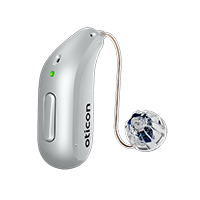

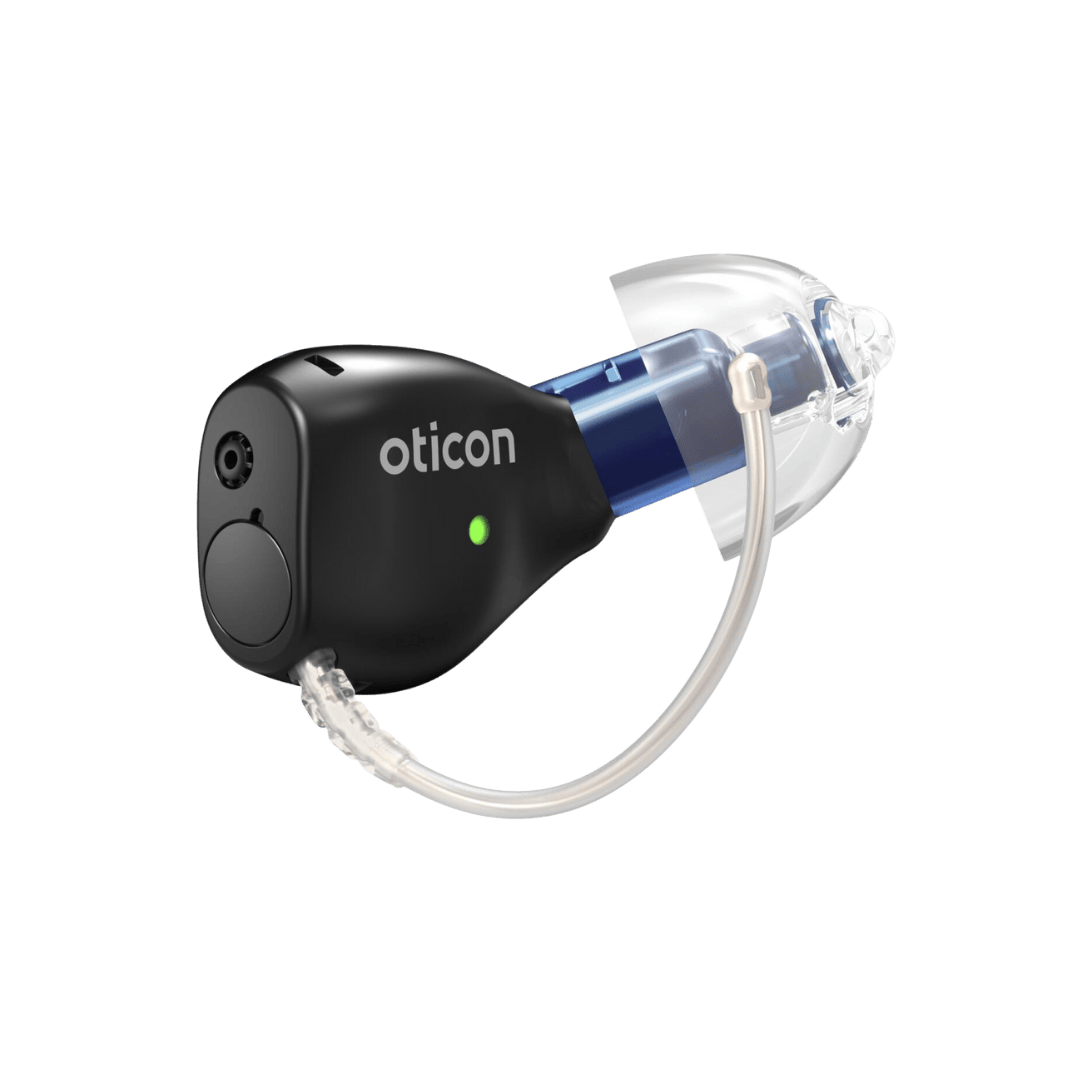
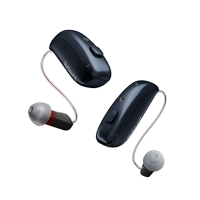
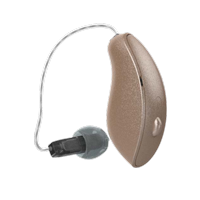
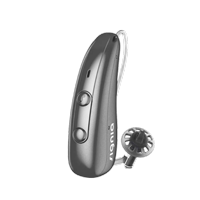


If you’re shopping for hearing aids in 2026, the price you pay depends less on “the device” and more on the care model (do-it-yourself OTC vs. professionally fit prescription hearing aids), technology level, and what’s bundled (testing, follow-ups, repairs, loss coverage, supplies, etc.).
Below is a practical breakdown you can use to budget—and to compare apples to apples.
Quick answer: typical 2026 price ranges (per pair)
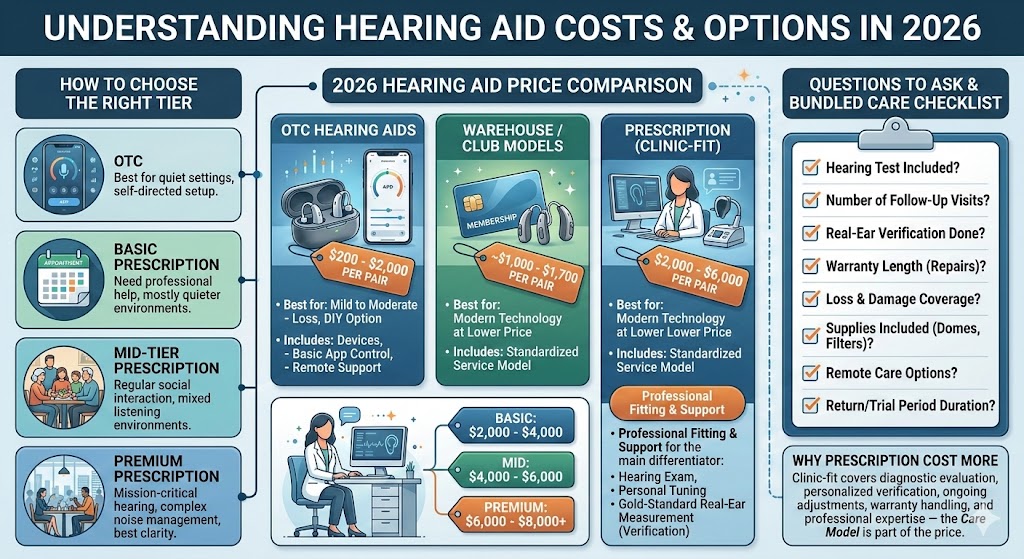
- OTC hearing aids: roughly $200–$2,000 per pair depending on brand and capability (basic amplifiers vs. self-fitting, app-based devices).
- Prescription hearing aids (clinic-fit): commonly $2,000–$8,000+ per pair depending on tier and bundled care.
- Warehouse/club model (example: Costco-style pricing): often ~$1,000–$1,700 per pair for modern devices, typically with a more standardized service model.
Price-tier table (2026): OTC vs. basic/mid/premium prescription
Assumption: prices shown are typical U.S. ranges per pair in 2026, excluding unusual promotions and financing.
| Tier | Typical 2026 price (pair) | Best for | What’s usually included | What may not be included |
|---|---|---|---|---|
| OTC (over-the-counter) | $200–$2,000 | Adults with perceived mild–moderate hearing loss who want a DIY option | Device(s); basic to advanced app controls; some brands include remote support depending on seller | In-person testing; real-ear verification; custom programming; ongoing in-clinic follow-up care |
| Basic (prescription / clinic-fit) | $2,000–$4,000 | Budget-conscious buyers who still want professional fitting and follow-up | Hearing exam; professional fitting; follow-ups (package varies); basic repairs under warranty | Premium features (best noise management, advanced speech focus); more generous loss/damage coverage |
| Mid (prescription / clinic-fit) | $4,000–$6,000 | Many “sweet spot” buyers—busy, social, mixed listening environments | Everything in basic plus stronger noise management, better speech clarity tools, more tuning flexibility | Some premium-only features; longest/most comprehensive coverage |
| Premium (prescription / clinic-fit) | $6,000–$8,000+ | Complex hearing needs, frequent restaurants/meetings, tinnitus features, or “I want the best” | Top-tier tech; deeper personalization; typically more extensive service bundle | Still varies—ask exactly what follow-ups, supplies, and replacement policies are included |
Why these ranges: national cost summaries and 2026 comparison articles consistently place OTC at the low end and clinic-fit premium bundles around the top end.
OTC vs. prescription: the real difference is support + verification
OTC hearing aids (what they are in 2026)
The FDA created an OTC hearing aid category for adults 18+ with perceived mild to moderate hearing loss, available without a medical exam, prescription, or professional fitting.
OTC is often worth considering if:
- You believe your hearing loss is mild–moderate
- You’re comfortable using apps and self-setup
- You want a lower-cost entry point
OTC may be a poor fit if:
- You suspect moderately-severe to profound loss
- You struggle mostly in noisy environments and need fine-tuning
- You have medical “red flags” (sudden loss, one-sided loss, drainage, pain, etc.)
Prescription hearing aids (why they cost more)
Clinic-fit pricing commonly bundles:
- Diagnostic evaluation + needs assessment
- Professional fitting and follow-ups
- Verification (often includes real-ear measurement, the gold standard for ensuring your hearing aids match your prescription—ask if your clinic does it)
- Warranty handling, repairs, and supplies (varies by clinic)
That bundle is a big reason clinic-fit hearing aids cost more than DIY OTC options.
What’s included: a checklist you can copy/paste when comparing quotes
When you’re quoted a price, ask for the answers in writing:
- Does the price include the hearing test and needs assessment?
- How many follow-up visits are included, and for how long (e.g., 60 days vs. 12 months vs. lifetime)?
- Is real-ear verification included?
- Warranty length (repairs) and what it covers
- Loss & damage coverage (and deductible if lost)
- Supplies included (domes, wax guards/filters) and for how long
- Return/trial period length and any fees
- Remote care options (telehealth programming)
- Battery costs (if disposable) or charger replacement terms (if rechargeable)
- Future service pricing after the bundle ends
2026 “real world” price examples (to sanity-check your quote)
- Some 2026 lists show club/warehouse pricing for modern hearing aids often landing under ~$1,700 per pair for certain brands/models.
- Broader 2026 comparisons continue to place premium clinic-fit pricing around ~$6,500 on average for top-tier devices and care bundles.
(Your local market, warranty choices, and appointment bundle can move this up or down.)
Insurance & Medicare in 2026: why many people still pay out of pocket
- Original Medicare does not cover hearing aids or exams for fitting hearing aids.
- Some Medicare Advantage plans may offer hearing benefits, but coverage varies by plan.
If you have coverage, the key question is usually: Do you have a fixed allowance? A required vendor network? A device-tier limit?
How to choose the right tier (simple guidance)
- Choose OTC if your hearing challenges are mild, you want a low-cost start, and you’re comfortable self-adjusting.
- Choose basic prescription if you want professional help but mainly struggle in quieter settings.
- Choose mid-tier prescription if you’re regularly in mixed environments (family gatherings, meetings, restaurants).
- Choose premium prescription if hearing is mission-critical for work/social life, you need the strongest noise handling, or you’ve had poor results with “generic” settings.
FAQs
Are OTC hearing aids “real” hearing aids?
Yes—OTC hearing aids are regulated as hearing aids and intended for adults with perceived mild to moderate hearing loss.
Why can two people pay $1,200 vs. $7,000 for “hearing aids”?
Because one price may be primarily the devices, while the other bundles diagnostics, fitting, verification, and ongoing care (plus warranty/loss coverage differences).
Does Medicare cover hearing aids in 2026?
Original Medicare does not cover them; some Medicare Advantage plans may offer benefits depending on the plan.