






If your mom is starting to notice hearing loss, the first hearing-aid appointment can feel like a big deal. New technology, unfamiliar words, and sticker shock can make anyone anxious—especially a parent who’s already apprehensive.
The good news: most “bad experiences” come from unclear expectations, not from hearing aids themselves. With the right questions, you can turn that first visit into a calm, confident step forward.
Below is a practical, bring-it-with-you guide for families shopping for a first set of hearing aids.
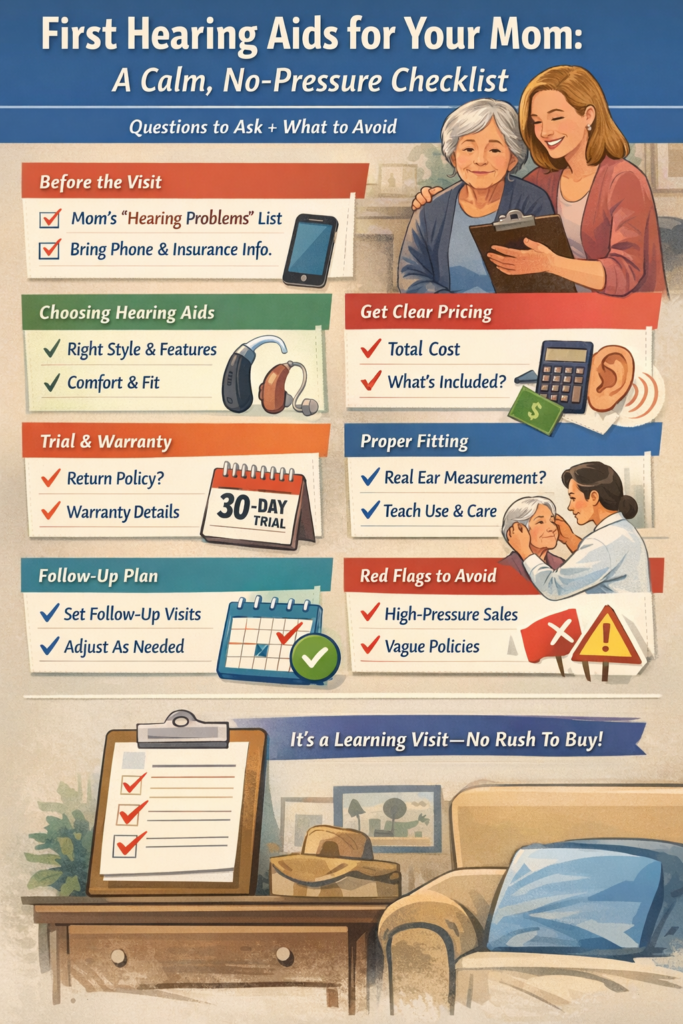
What to do before the appointment (10 minutes that changes everything)
1) Write down your mom’s “hard moments”
Bring a short list of real-life situations. Examples:
- restaurants and background noise
- group conversations (family dinners, church, social clubs)
- TV volume keeps creeping up
- phone calls
- higher-pitched voices (grandkids, women’s voices)
- “I hear you, but I can’t understand you”
This helps the provider choose settings and features that match her actual life—not just her audiogram.
2) Bring her phone (charged)
Many hearing aids connect to smartphones for calls, streaming, and app controls. Compatibility matters.
3) Check insurance basics ahead of time
Ask:
- Do we have a hearing-aid benefit? How much and how often (every 3–5 years)?
- Is it only through certain providers (in-network)?
- Is it a managed-care program with restrictions?
Even if insurance covers only part, knowing the rules prevents surprise denials.
The hearing test: what a “good” appointment should include
A hearing test shouldn’t be just “beeps in a booth.” Ask these questions:
Questions to ask
- “Will you test speech understanding, not just tones?”
Understanding speech is the real-world problem for most people. - “Do you test speech in noise?”
Many people hear “fine” in quiet but struggle in restaurants. - “Will you explain what type of hearing loss this is?”
(Age-related, noise-related, one-sided, conductive vs sensorineural, etc.) - “Are there any medical red flags that require an ENT referral?”
Sudden hearing loss, one-sided changes, pain, drainage, dizziness—these deserve medical evaluation.
Green flag
They explain the results in plain language and connect them directly to your mom’s real-life struggles.
Choosing hearing aids: the questions that save money and frustration
Hearing aids often come in “technology levels.” More expensive isn’t always better—better is what fits your mom’s life.
Fit + comfort
- “What style are you recommending and why?”
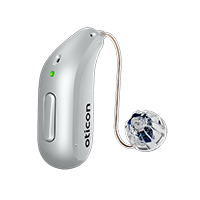
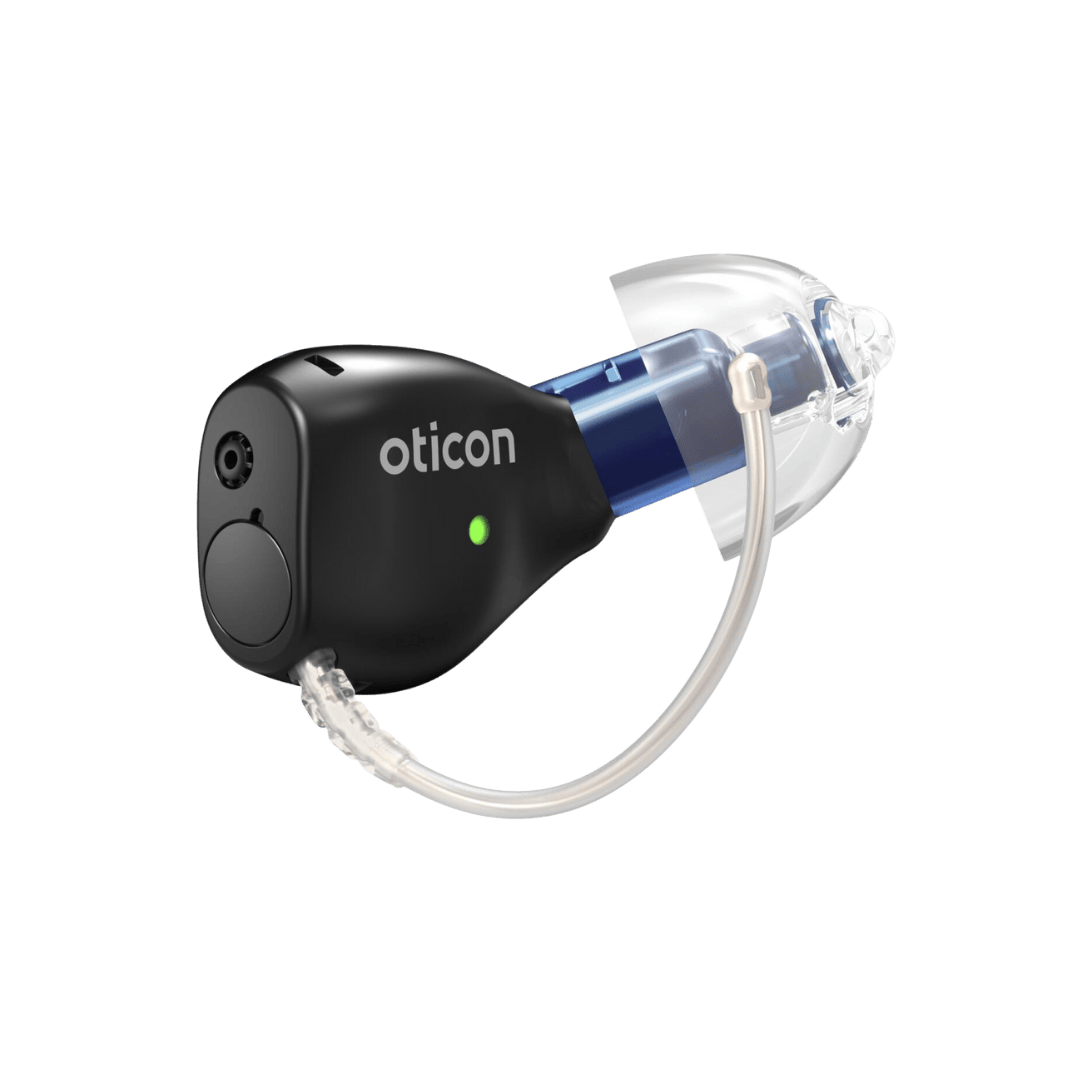
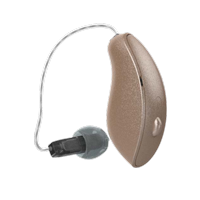
(Most first-time users do well with discreet behind-the-ear/receiver-in-canal styles.) - “Will she need custom ear molds or domes?”
Comfort matters. Fit affects sound quality, feedback, and retention. - “What if she hates how her own voice sounds?”
(That’s common at first; the plan should be to adjust, not shrug.)
Features that matter (for many families)
- Rechargeable vs batteries: “How long does it last per day? What’s the replacement plan for the charger/battery?”
- Bluetooth + phone calls: “Will it work with her exact phone model?”
- Noise handling: “How does this model help in restaurants or groups?”
- Tinnitus support: “If she has ringing, does this include tinnitus features?”
The most important question
- “Why this model for her lifestyle?”
A good provider asks about her day-to-day life (social, quiet, TV, group settings) and matches the recommendation to that.
Pricing and what’s included: make it crystal clear
This is where people get burned—especially at larger chains where pricing can be bundled in confusing ways.
Ask them to write down:
1) Total cost (out-the-door)
- Is this for one hearing aid or a pair?
- What’s included in that price?
2) Bundled vs unbundled services
Ask:
- “Is your price bundled with follow-up care? For how long?”
Common bundles include 12–24 months of visits; after that, visits may cost extra.
3) What happens later?
- Are routine cleanings included?
- Are replacement parts included (domes, wax guards, receivers)?
- What do future appointments cost after the included period?
A clear provider will give you a simple list. If they can’t, that’s a warning sign.
Trial period, returns, and warranties (non-negotiables)
No matter where you buy, you should know these terms before you commit.
Ask these exact questions
- “How long is the trial period?” (30/45/60/90 days)
- “Is there a return fee or restocking fee? How much?”
- “How long is the repair warranty?”
- “Is there loss-and-damage coverage? What is the deductible?”
- “If we return them, what is refundable and what isn’t?”
If the trial terms are vague or verbally explained without documentation—pause.
How to know the fitting was done well (this is a big one)
The fitting appointment matters as much as the hearing aid itself.
Ask about verification (key quality question)
- “Do you do real-ear measurement (REM) to verify the prescription?”
This is one of the strongest signals of a thorough, best-practice fitting. It measures what the hearing aid is actually doing in your mom’s ear—because ears are different, and “default settings” don’t always match the prescription.
Other fitting essentials
- “Will you create different programs?” (quiet, noise, TV)
- “Can you teach her insertion/removal and confirm she can do it herself?”
- “What’s the plan for follow-ups and fine-tuning?”
Follow-up plan: the secret to happy hearing-aid users
Most first-time users need adjustments. That’s normal.
Before leaving, schedule:
- 1 week follow-up
- 3–4 week follow-up
- end-of-trial follow-up
Ask:
- “If restaurants are still hard, what changes do you typically make?”
- “What improvement should we expect in week 1 vs week 4?”
A great provider expects follow-ups and welcomes them.
What to avoid (especially at some “nationwide” hearing-aid places)
Not all chains are bad—but certain patterns are common in high-pressure environments.
Red flags
- “Today only” discounts or pressure to buy same day
- vague pricing (“it includes everything”) with no written details
- unclear return policy
- no verification testing
- rushing the appointment
- selling the top tier without lifestyle discussion
If your mom is anxious, the best move is to make it a no-pressure learning visit first.
A simple script to keep your mom comfortable
Try this before the appointment:
- “We’re not buying today no matter what—today is just to learn.”
- “It’s normal to need adjustments. That’s part of the process.”
- “You’re in control—if anything feels uncomfortable, we change it.”
This reduces anxiety and improves the odds she’ll stick with the process.
Final tip: the “best” place is the one that can support her long-term
Hearing aids are not a one-time purchase. They’re a relationship:
- fine-tuning
- cleaning
- repairs
- changing hearing needs over time
The best outcomes usually come from a provider who has time, clear policies, and a plan—not the provider who has the flashiest sale.