

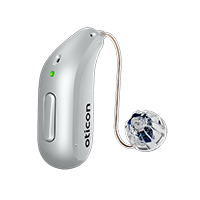
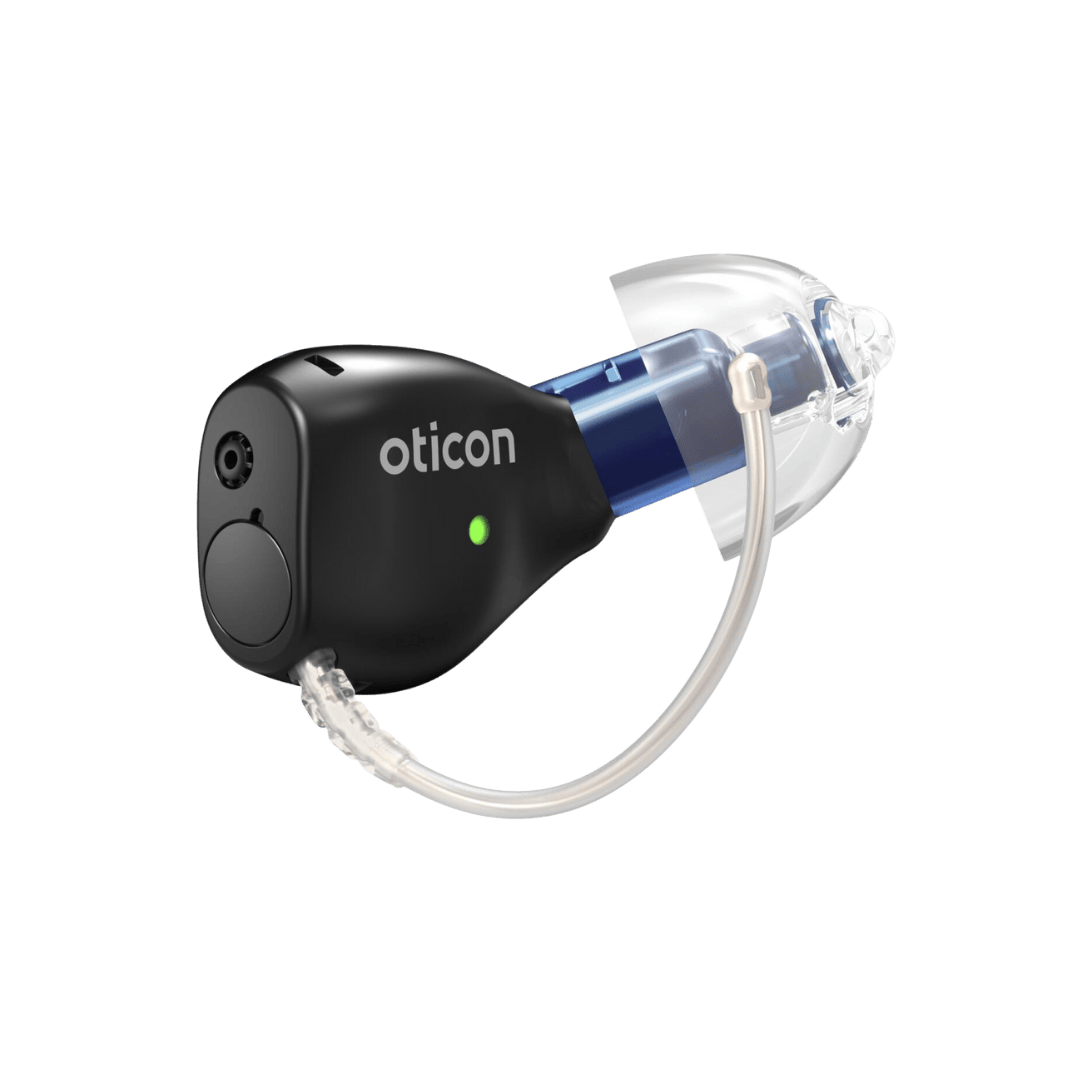
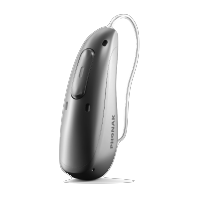
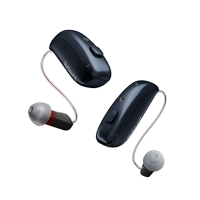
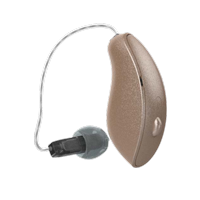
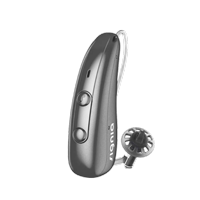


Oticon Zeal is one of the most advanced “nearly invisible” hearing aids we’ve seen—but here’s the part many people miss:
The technology is only half the equation. The fit and verification are what turn it into real-world clarity.
If you’re comparing professional care vs. “good enough” programming (or thinking about OTC-style shortcuts in general), this is the post to read—because Zeal is exactly the kind of device where precision fitting makes the difference between:
- “I can hear sound” vs “I can understand speech,” especially in noise
- “It whistles/feeds back” vs “It stays stable and comfortable”
- “It’s underpowered” vs “It matches your prescriptive targets”
Related Zeal resources on our site:
- NXT form factor + discretion: https://calhearing.com/oticon-zeal-nxt-invisible-hearing-aids/
- BrainHearing™ + AI processing: https://calhearing.com/oticon-zeal-brainhearing-ai/
- Durability + IP68 encapsulation: https://calhearing.com/oticon-zeal-durability-encapsulation-ip68/
- Bluetooth LE Audio + Auracast: https://calhearing.com/oticon-zeal-bluetooth-le-audio-auracast/
- Product page: https://calhearing.com/products/hearing-aids-by-brand/oticon/oticon-zeal/
- Oticon overview page: https://calhearing.com/products/hearing-aids-by-brand/oticon/
1) Real Ear Measurement isn’t “nice to have”—it’s how you verify clarity
Most hearing aids start with manufacturer First Fit settings. The problem: First Fit is often a starting point, not an accurate match to what your prescription requires in your real ear canal.
Why First Fit can miss the mark (especially for speech clarity)
Speech understanding relies heavily on high-frequency audibility (consonants like s, f, th, k, t). Research and clinical guidance have repeatedly found that manufacturer First Fit settings can under-amplify high frequencies compared with verified prescriptive targets.
What REM does differently
Real Ear Measurement (REM) uses a tiny probe microphone placed in the ear canal to measure what the hearing aid is actually delivering at the eardrum—then the clinician adjusts programming to hit targets (e.g., NAL-NL2/DSL).
Translation: REM helps ensure Zeal isn’t just comfortable—it’s accurate.
2) Fitting range: small doesn’t mean weak
Even though Zeal is ultra-discreet, it’s commonly described as supporting hearing losses up to ~75 dB (typically covering mild to moderately severe ranges).
That’s exactly why professional fitting matters: when you’re working closer to the upper end of a device’s fitting range, precision coupling + verified targets becomes even more important.
3) Micro-molds vs. domes: the “right coupling” prevents feedback and improves performance
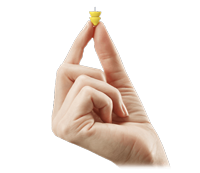
Zeal can often be fit quickly with domes, but not everyone is a dome candidate.
A skilled clinician decides between:
- standard domes (fast, comfortable, same-day start), and
- a custom micro-mold (acrylic or silicone), which can improve retention, reduce feedback risk, and better support higher-gain fittings when needed.
How that decision is made
Your audiologist is typically balancing:
- feedback risk (whistling)
- required gain (how much amplification you actually need)
- venting/occlusion comfort
- stability for daily wear and consistent acoustics (so REM results stay true)
Bottom line: The smallest device is only great if it’s stable, sealed appropriately, and verified to target.
4) About the 2026 U.S. “waitlist” timing
Earlier coverage described Zeal as coming to the U.S. in early 2026—and that is now essentially “here.” Oticon’s own press materials state Zeal became available in the U.S. in January 2026 (with rollout across markets and providers).
That said, early releases can still be constrained (appointments, fitting time, initial inventory, patient demand). If you want to be among the first locally to evaluate and fit Zeal, joining a clinic waitlist is still a practical move—even after launch.
FAQs
Is REM really necessary if the hearing aid is “premium”?
Yes. Premium processing doesn’t guarantee your ear is receiving the right output. REM is the objective way to confirm you’re hitting targets in your actual ear canal.
Why do high frequencies matter so much?
High frequencies carry much of the speech detail that makes words crisp and understandable—especially in noise. Under-amplifying those frequencies is a common reason people report “I hear, but I can’t understand.”
If Zeal supports up to ~75 dB loss, does that mean it fits everyone?
No. Audiogram shape, ear anatomy, comfort, and coupling needs all matter. That’s why professional evaluation + REM verification is the safer path.
CTA
Curious if Oticon Zeal is right for your lifestyle?
Visit California Hearing Center in San Mateo, CA for a comprehensive hearing evaluation and professional fitting with Real Ear Measurement—so you know you’re getting the clarity you’re paying for.
Contact: https://calhearing.com/contact/
Call: 650-342-9449