




Hearing health is a critical aspect of overall wellness that affects millions of people worldwide. While hearing loss can occur due to various factors including age, genetics, and exposure to loud noises, many people wonder if lifestyle modifications can help preserve or even improve their auditory function. Recent research has begun to explore the fascinating connections between diet, exercise, and hearing health, offering hope for those looking to maintain their hearing abilities naturally.
The Science Behind Hearing Health and Lifestyle
Your auditory system is more complex than you might imagine, involving intricate structures in the inner ear that rely on proper blood flow, oxygenation, and nutrient delivery. The cochlea, which contains thousands of tiny hair cells responsible for converting sound waves into electrical signals, is particularly vulnerable to damage from poor circulation, inflammation, and oxidative stress. Understanding this connection helps explain why lifestyle factors can significantly impact hearing health.
How Diet Affects Your Hearing
Research has revealed compelling evidence that certain dietary choices can influence hearing preservation and potentially slow age-related hearing decline. Several key nutrients and dietary patterns have shown promise in supporting auditory function:
Essential Nutrients for Hearing Health
- Omega-3 fatty acids: Found in fish, walnuts, and flaxseeds, these healthy fats support blood flow to the inner ear and may reduce inflammation that can damage hearing cells
- Antioxidants: Vitamins C and E, along with compounds found in colorful fruits and vegetables, help protect against oxidative damage in the auditory system
- Folate: This B vitamin, abundant in leafy greens and legumes, has been linked to better hearing in older adults
- Magnesium: This mineral may help protect against noise-induced hearing damage and is found in nuts, seeds, and whole grains
Research-Backed Dietary Patterns
Several studies have examined the relationship between overall dietary patterns and hearing health outcomes. The Nurses’ Health Study II, which followed over 70,000 women for 22 years, found that those who closely followed healthy eating patterns like the Mediterranean diet had a 30% lower risk of developing hearing loss. This diet emphasizes:
- Fresh fruits and vegetables
- Whole grains
- Lean proteins, especially fish
- Healthy fats like olive oil
- Limited processed foods and added sugars
Exercise and Cardiovascular Health Impact on Hearing
Physical activity plays a crucial role in maintaining hearing function through its effects on cardiovascular health. The inner ear requires excellent blood flow to function properly, and regular exercise helps ensure adequate circulation to these delicate structures.
Research Findings on Exercise and Hearing
A study published in the American Journal of Medicine found that women who walked at least two hours per week had a 15% lower risk of hearing loss compared to those who walked less than one hour per week. The benefits of exercise for hearing health include:
- Improved blood circulation to the inner ear
- Better oxygen delivery to auditory cells
- Reduced inflammation throughout the body
- Lower risk of diabetes and cardiovascular disease, both linked to hearing loss
Lifestyle Modifications That Support Hearing Health
Beyond diet and exercise, several lifestyle changes can contribute to better hearing outcomes and overall auditory wellness:
Sleep and Stress Management
Quality sleep and effective stress management are essential for maintaining healthy hearing. Chronic stress can lead to increased cortisol levels, which may damage the delicate structures in the inner ear. Additionally, poor sleep quality has been associated with increased risk of hearing problems and tinnitus.
Avoiding Harmful Habits
Research has consistently shown that certain habits can negatively impact hearing health:
- Smoking: Reduces blood flow to the inner ear and increases risk of hearing loss
- Excessive alcohol consumption: Can damage the auditory nerve and affect brain processing of sounds
- Inadequate hearing protection: Exposure to loud noises without proper protection can cause permanent damage
Professional Hearing Care Services
While lifestyle modifications can support hearing health, professional care remains essential for comprehensive auditory wellness. At calhearing.com, we offer a complete range of hearing healthcare services designed to help you maintain optimal hearing throughout your life.
Our comprehensive services include:
- Hearing Testing: Comprehensive audiological evaluations to assess your current hearing status and identify any issues early
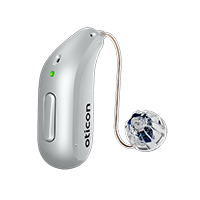
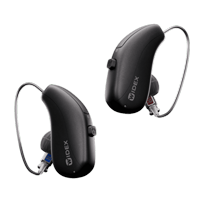
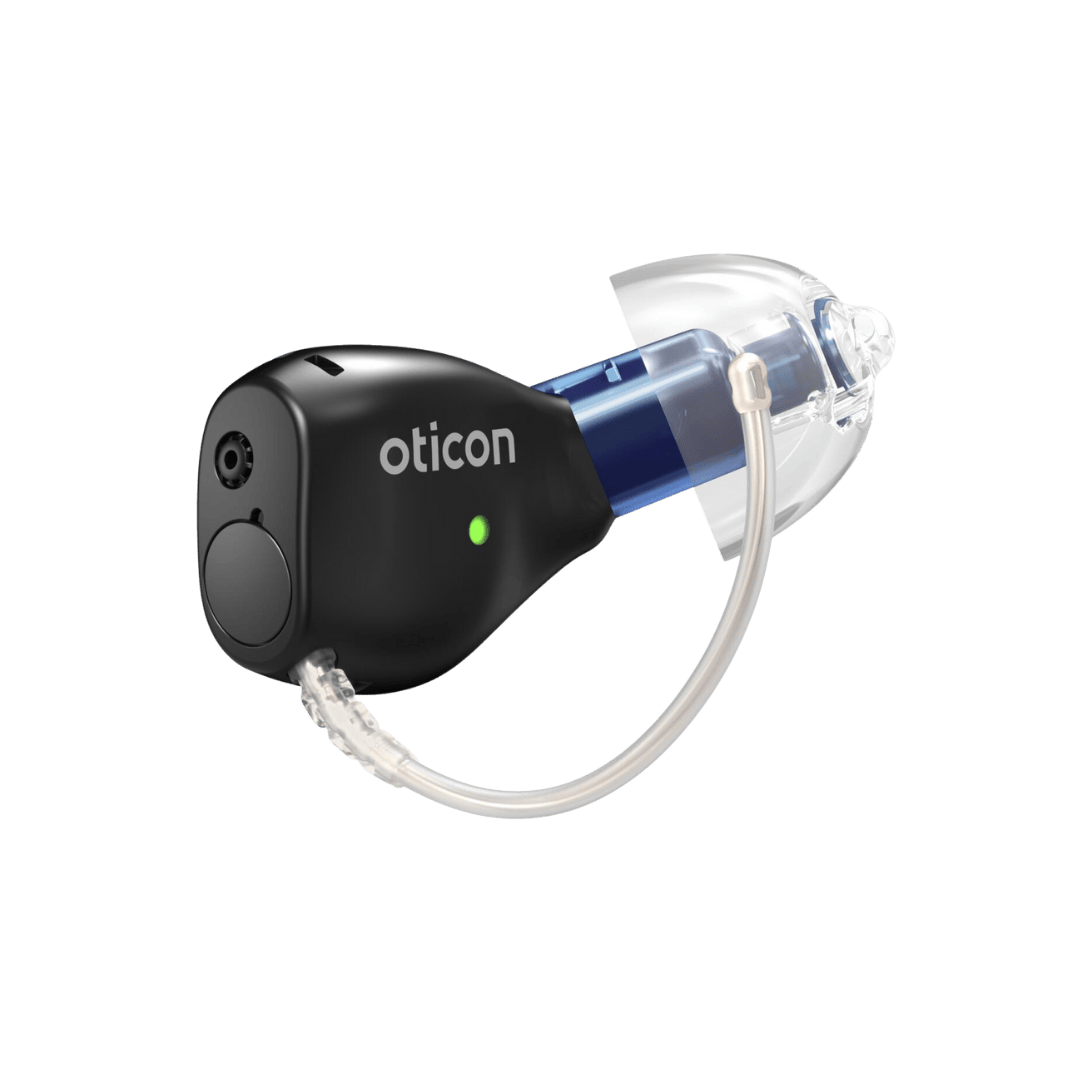
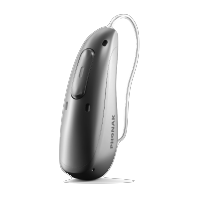
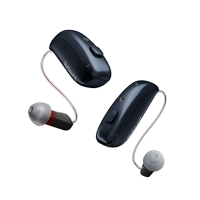
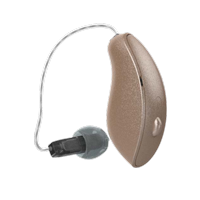
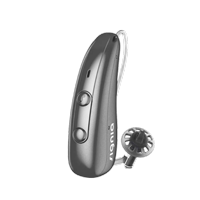
- Hearing Aid Fitting: Professional fitting and adjustment of hearing aids to ensure optimal performance and comfort
- Tinnitus Therapy: Specialized treatment options for those experiencing ringing or buzzing in the ears
- Hearing Protection: Custom-fitted protective devices for work, recreation, and noise exposure
- Hearing Aid Repairs: Professional maintenance and repair services to keep your devices functioning properly
We proudly serve multiple communities, and you can learn more about our coverage areas to find the location most convenient for you.
Limitations and Realistic Expectations
While the research on diet, exercise, and lifestyle factors is promising, it’s important to maintain realistic expectations. These interventions are most effective for:
- Prevention: Slowing the progression of age-related hearing decline
- Supporting overall ear health: Creating optimal conditions for auditory function
- Complementing medical treatment: Working alongside professional hearing care
However, lifestyle changes cannot reverse existing hearing damage or replace the need for hearing aids when significant hearing loss has occurred. For comprehensive evaluation and treatment, professional hearing testing remains essential.
Implementing Hearing-Healthy Habits
Based on current research, here are practical steps you can take to support your hearing health:
Dietary Recommendations
- Include omega-3 rich fish in your diet 2-3 times per week
- Eat a variety of colorful fruits and vegetables daily
- Choose whole grains over refined carbohydrates
- Limit processed foods and excessive sugar intake
- Stay adequately hydrated with water
Exercise Guidelines
- Aim for at least 150 minutes of moderate aerobic activity per week
- Include strength training exercises twice per week
- Consider activities that improve circulation, such as walking, swimming, or cycling
- Practice stress-reducing exercises like yoga or tai chi
Future Research Directions
Scientists continue to investigate the connections between lifestyle factors and hearing preservation. Ongoing research areas include:
- The role of specific supplements in preventing hearing loss
- How different types of exercise affect auditory function
- The impact of sleep quality on hearing health
- Genetic factors that may influence lifestyle interventions
For the latest information on hearing health research and treatment options, visit our resources section or check out our blog for regular updates.
Conclusion
Current research suggests that diet, exercise, and positive lifestyle changes can indeed support hearing health and may help slow age-related hearing decline. While these interventions cannot replace professional hearing care or reverse existing damage, they offer valuable tools for maintaining optimal auditory function throughout life.
The evidence points to a holistic approach that includes a nutrient-rich diet, regular physical activity, adequate sleep, stress management, and avoidance of harmful habits. Combined with regular hearing evaluations and professional care when needed, these lifestyle modifications can contribute to better long-term hearing outcomes.
Remember that hearing health is highly individual, and what works for one person may not be suitable for another. Regular monitoring and professional guidance ensure that you’re taking the most appropriate steps for your specific situation.
If you’re concerned about your hearing health or want to learn more about protecting your auditory function, don’t wait to seek professional guidance. Early intervention and proper care can make a significant difference in maintaining your quality of life and communication abilities.
Contact us today to schedule a comprehensive hearing evaluation and discover how we can help you achieve optimal hearing health through professional care and lifestyle guidance.