



The remarkable process of hearing involves a sophisticated partnership between our ears and brain, working in perfect harmony to help us navigate the world through sound. Understanding the science of hearing loss requires exploring how this intricate system functions and what happens when it breaks down. At Cal Hearing, we’re dedicated to helping you understand and address hearing challenges through comprehensive care and advanced treatment options.
The Anatomy of Hearing: A Complex System
Our ability to hear depends on a remarkable chain of events that begins in the outer ear and culminates in the brain’s interpretation of sound. The auditory system consists of three main components:
- Outer ear – Collects and channels sound waves
- Middle ear – Amplifies and transmits vibrations
- Inner ear – Converts mechanical energy into electrical signals
Each part plays a crucial role in the hearing process, and damage to any component can result in hearing loss. The journey from sound wave to perception involves multiple steps that must work seamlessly together.
How Sound Travels Through the Ear
The process of hearing begins when sound waves enter the ear canal and follow this precise pathway:
- Sound waves strike the eardrum, causing it to vibrate
- These vibrations move the tiny bones in the middle ear (malleus, incus, and stapes)
- The stapes bone creates pressure waves in the inner ear’s fluid-filled cochlea
- Hair cells within the cochlea detect these movements and generate electrical signals
- The auditory nerve carries these signals to the brain for processing
This intricate process happens instantaneously, allowing us to perceive and respond to sounds in real-time. Professional hearing testing can identify where problems might occur along this pathway.
The Brain’s Role in Hearing
While the ear captures and converts sound, the brain’s auditory processing is equally important. The auditory cortex interprets the electrical signals from the cochlea, allowing us to:
- Distinguish between different frequencies and volumes
- Identify the source and direction of sounds
- Filter important sounds from background noise
- Understand speech and language
- Process complex auditory information
When hearing loss occurs, the brain may struggle to interpret incomplete or distorted signals, leading to communication difficulties and reduced quality of life.
Types and Causes of Hearing Loss
Understanding the different types of hearing loss is essential for proper treatment. The three main categories include:
Conductive Hearing Loss
This occurs when sound waves cannot efficiently travel through the outer or middle ear. Common causes include:
- Earwax buildup
- Ear infections
- Perforated eardrum
- Fluid in the middle ear
Sensorineural Hearing Loss
The most common type, resulting from damage to the inner ear or auditory nerve. Causes include:
- Age-related hearing loss (presbycusis)
- Noise-induced hearing damage
- Genetic factors
- Certain medications
Mixed Hearing Loss
A combination of both conductive and sensorineural components, requiring comprehensive evaluation and treatment.
The Impact of Hearing Loss on Daily Life
Hearing impairment affects millions of people worldwide and can significantly impact various aspects of life:
- Communication difficulties in social and professional settings
- Increased risk of cognitive decline and dementia
- Social isolation and depression
- Safety concerns due to inability to hear warning sounds
- Reduced job performance and career opportunities
Early intervention through professional services can help minimize these impacts and improve overall quality of life.
Cal Hearing’s Comprehensive Services
At Cal Hearing, we provide a full range of audiological services to address hearing loss and related conditions:
- Hearing Testing – Comprehensive evaluations to assess hearing ability and identify specific issues
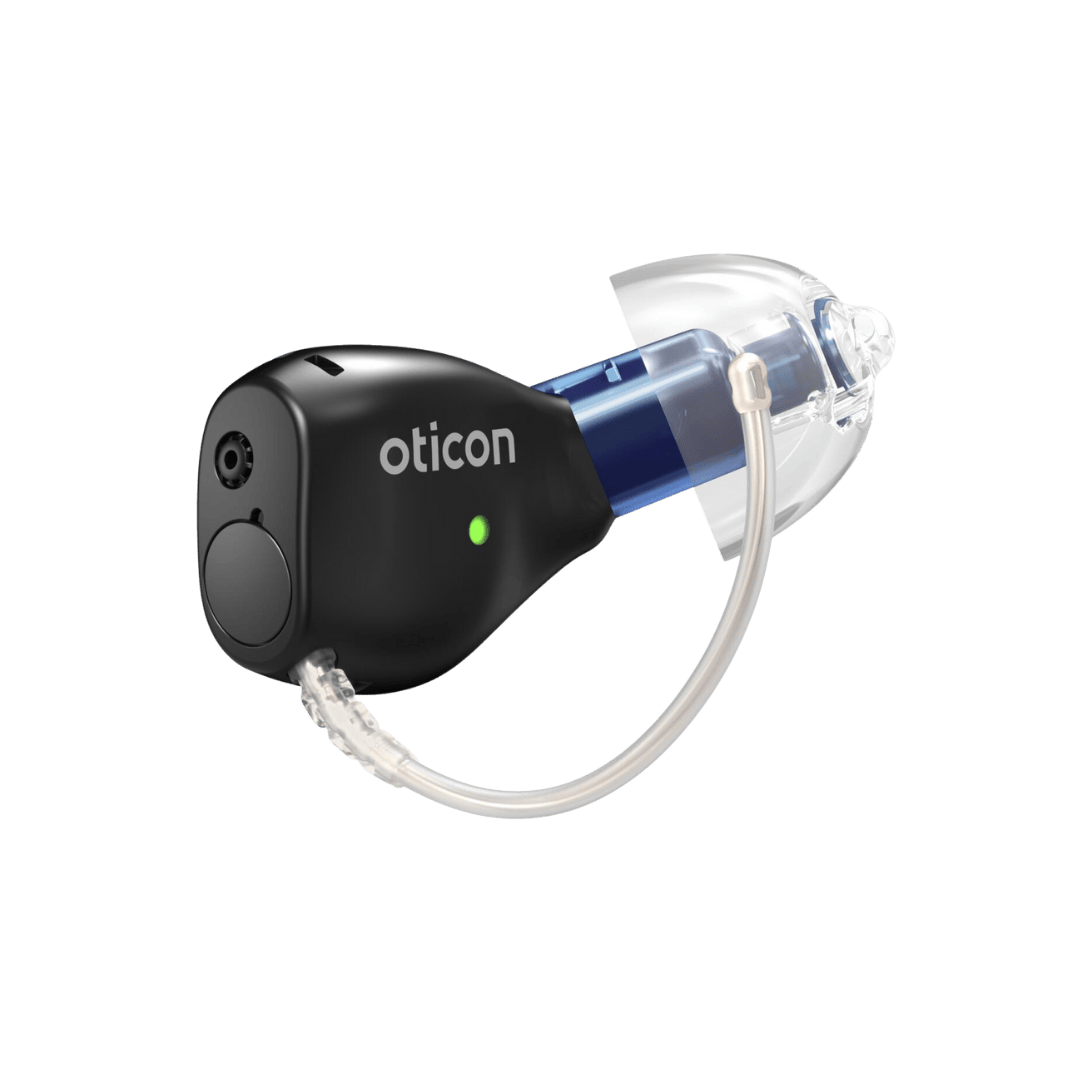
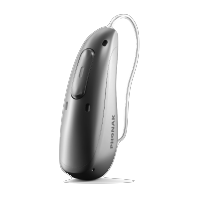
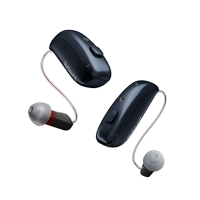
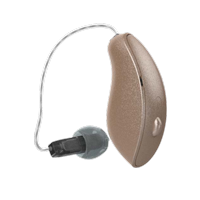
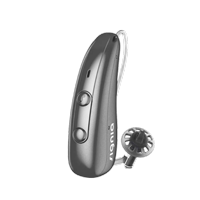
- Hearing Aid Fitting – Professional selection and customization of hearing devices
- Tinnitus Therapy – Specialized treatment for ringing in the ears
- Hearing Protection – Custom solutions to prevent further hearing damage
- Hearing Aid Repairs – Expert maintenance and repair services
Our experienced team serves multiple communities throughout our service areas, ensuring accessible care for those who need it most.
Modern Treatment Approaches
Today’s hearing loss treatment options are more advanced and effective than ever before. Modern approaches include:
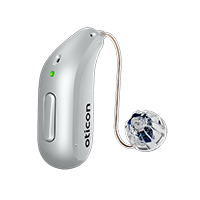
- Digital hearing aids with sophisticated noise reduction and speech enhancement
- Cochlear implants for severe to profound hearing loss
- Bone-anchored hearing devices
- Assistive listening devices
- Auditory rehabilitation programs
The key to successful treatment lies in proper diagnosis and personalized care plans tailored to each individual’s specific needs and lifestyle.
Prevention and Early Detection
While not all hearing loss can be prevented, many cases are avoidable through:
- Regular hearing screenings and professional evaluations
- Proper ear protection in noisy environments
- Avoiding prolonged exposure to loud sounds
- Prompt treatment of ear infections
- Managing underlying health conditions that affect hearing
Early detection through routine audiological assessments allows for timely intervention and better outcomes.
The Future of Hearing Healthcare
Advances in hearing science continue to improve treatment options and outcomes for people with hearing loss. Emerging technologies include:
- Artificial intelligence in hearing aid technology
- Gene therapy for inherited hearing loss
- Advanced cochlear implant designs
- Regenerative medicine approaches
These innovations offer hope for even better solutions in the years to come.
Taking Action for Better Hearing Health
Understanding the science of hearing loss is the first step toward better hearing health. If you or a loved one are experiencing hearing difficulties, don’t wait to seek professional help. The sooner hearing issues are addressed, the better the outcomes tend to be.
For additional information about hearing health and treatment options, visit our resources page and explore our blog for the latest insights and tips.
Ready to take the next step toward better hearing? Contact Cal Hearing today to schedule your comprehensive hearing evaluation and discover how we can help you reconnect with the sounds that matter most in your life.