





With the recent FDA approval of over-the-counter hearing aids, Bay Area residents now have more options than ever when it comes to addressing hearing loss. However, understanding the differences between traditional prescription hearing aids and OTC devices is crucial for making an informed decision about your hearing health. This comprehensive guide will help you navigate these options and determine which solution is best for your specific needs.
Understanding Over-the-Counter Hearing Aids
Over-the-counter hearing aids became available in October 2022, representing a significant shift in hearing healthcare accessibility. These devices are designed for adults with mild to moderate hearing loss and can be purchased directly from retailers without a prescription or professional fitting.
Key characteristics of OTC hearing aids include:
- Self-fitting capabilities with user-controlled settings
- Lower price points compared to prescription devices
- Direct purchase from pharmacies, electronics stores, or online retailers
- Limited to treating mild to moderate hearing loss only
- Basic amplification without professional customization
The Advantages of Prescription Hearing Aids
Traditional prescription hearing aids, fitted by licensed audiologists, remain the gold standard for comprehensive hearing loss treatment. At calhearing.com, we specialize in providing personalized hearing solutions that go far beyond simple amplification.
Benefits of prescription hearing aids include:
- Professional assessment and fitting through comprehensive hearing testing
- Customization for all degrees of hearing loss, from mild to profound
- Advanced features like noise reduction, directional microphones, and smartphone connectivity
- Ongoing support, adjustments, and maintenance
- Insurance coverage options and financing plans
- Warranty protection and professional hearing aid repairs
Who Should Consider OTC Hearing Aids?
Over-the-counter hearing aids may be appropriate for Bay Area residents who meet specific criteria. The ideal OTC candidate typically experiences:
- Mild to moderate hearing loss in both ears
- Difficulty hearing in quiet environments
- Trouble following conversations with background noise
- No significant medical conditions affecting the ears
- Comfort with self-adjustment and troubleshooting
However, it’s important to note that without professional hearing testing, many people incorrectly assess their degree of hearing loss, potentially leading to inadequate treatment.
When Prescription Hearing Aids Are Essential
Certain conditions and hearing loss characteristics require the expertise of a licensed audiologist and prescription hearing aids. You should seek professional care if you experience:
- Severe to profound hearing loss
- Sudden hearing loss or rapid changes in hearing
- Hearing loss in only one ear
- Ear pain, drainage, or visible deformities
- Dizziness or balance problems
- Tinnitus (ringing in the ears)
- History of ear infections or surgery
For patients experiencing tinnitus alongside hearing loss, our specialized tinnitus therapy services provide comprehensive treatment options that OTC devices cannot offer.
Cost Considerations for Bay Area Patients
While OTC hearing aids typically cost between $200-$3,000 per pair, prescription hearing aids range from $1,000-$6,000 or more per device. However, the total cost of ownership tells a different story:
OTC Hidden Costs:
- Potential need for multiple device purchases if initial selection is inappropriate
- Lack of professional support and adjustments
- Limited warranty coverage
- No insurance coverage options
Prescription Hearing Aid Value:
- Professional hearing aid fitting ensures optimal performance
- Ongoing support and unlimited adjustments
- Insurance coverage and financing options
- Comprehensive warranty protection
- Professional maintenance and repair services
Technology Differences and Performance
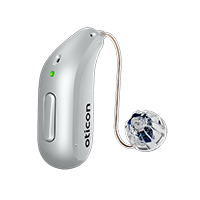
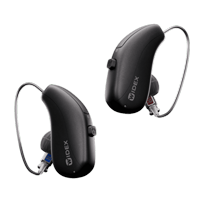
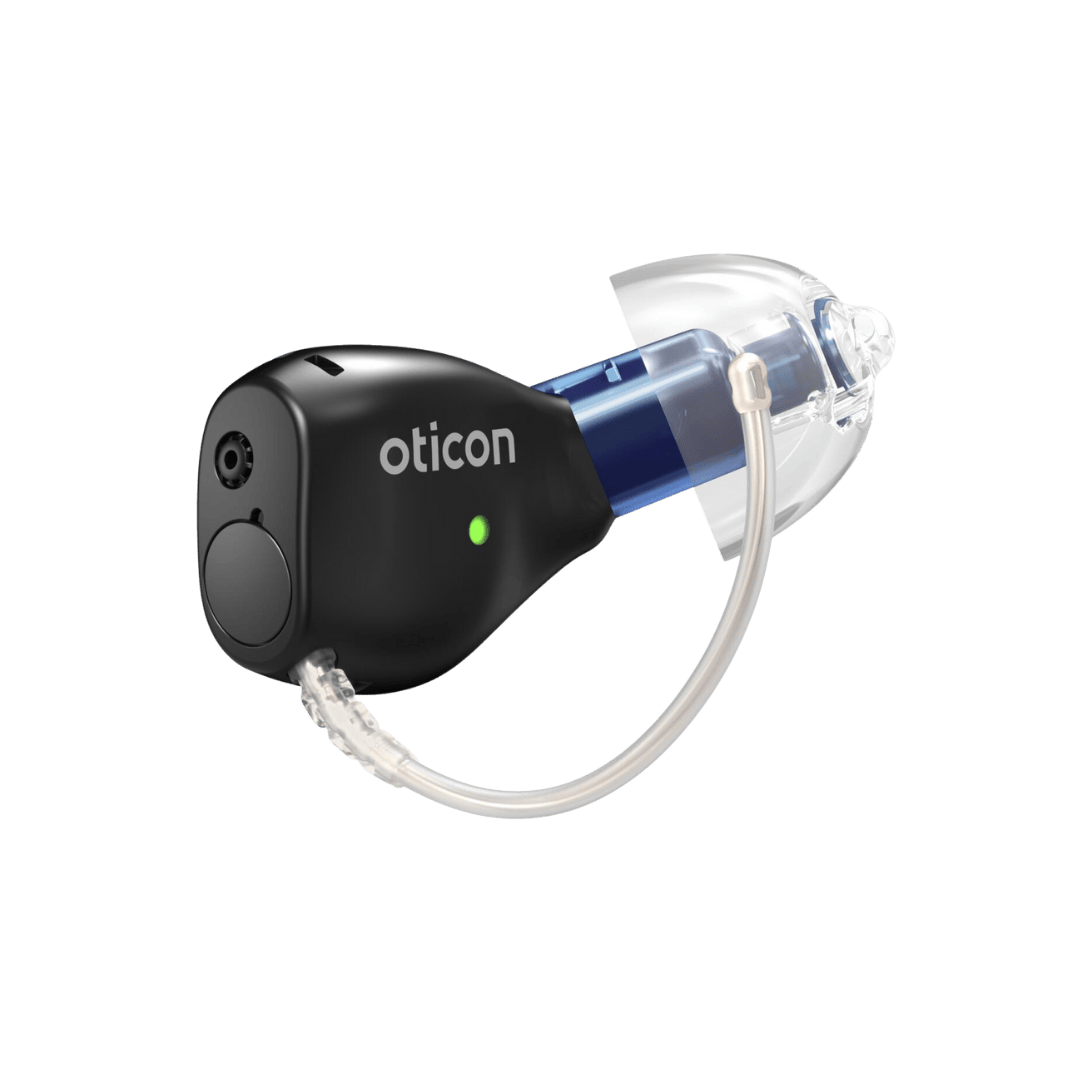
The technological gap between OTC and prescription hearing aids is substantial. While OTC devices provide basic amplification, prescription hearing aids offer:
- Advanced noise reduction algorithms
- Directional microphone systems
- Automatic environment detection and adjustment
- Smartphone app integration
- Rechargeable battery options
- Telecoil compatibility for assistive listening
- Custom ear molds for optimal fit and comfort
Professional Support and Ongoing Care
Perhaps the most significant difference between OTC and prescription hearing aids is the level of professional support available. At calhearing.com, our comprehensive services include:
- Thorough diagnostic hearing evaluations
- Personalized hearing aid recommendations
- Professional fitting and programming
- Follow-up appointments and adjustments
- Hearing aid cleaning and maintenance
- Repair services and warranty support
- Ongoing hearing health monitoring
We proudly serve patients throughout the Bay Area, and you can learn more about our coverage areas at areas we serve.
Making the Right Choice for Your Hearing Health
The decision between OTC and prescription hearing aids should be based on several factors:
- Degree of hearing loss – Determined through professional audiometric testing
- Lifestyle and listening needs – Active lifestyles may require advanced features
- Budget considerations – Including long-term value and support costs
- Technology comfort level – Self-adjustment vs. professional programming
- Medical history – Underlying conditions requiring professional oversight
For those considering the DIY approach, we strongly recommend starting with a comprehensive hearing evaluation. Understanding your specific type and degree of hearing loss is crucial for any successful treatment, whether OTC or prescription.
The Importance of Hearing Protection
Regardless of which hearing aid option you choose, protecting your remaining hearing is essential. Our hearing protection services help Bay Area residents preserve their hearing in noisy work environments, concerts, and recreational activities.
Additional Resources and Support
Making informed decisions about your hearing health requires access to reliable information and professional guidance. Visit our resources page for educational materials, and check out our blog for the latest updates on hearing health topics and technology.
Expert Guidance for Bay Area Patients
While OTC hearing aids have made hearing assistance more accessible, they are not a replacement for professional hearing healthcare. The complexity of hearing loss, the sophistication of modern hearing aid technology, and the importance of proper fitting and ongoing support make professional care invaluable for most patients.
At California Hearing, we understand that every patient’s hearing needs are unique. Our experienced audiologists provide personalized care, from initial assessment through long-term hearing health management. We stay current with the latest hearing aid technology and treatment options to ensure our patients receive the most effective solutions available.
Don’t let hearing loss impact your quality of life. Whether you’re curious about OTC options or ready to explore prescription hearing aids, professional guidance is your first step toward better hearing. Contact us today to schedule your comprehensive hearing evaluation and discover the hearing solution that’s right for you.