



Coping & Gradual Exposure
Hyperacusis coping guide
Coping With Hyperacusis: Gradual Exposure Without Major Setbacks
When sound sensitivity flares, it’s normal to protect your ears and avoid noisy places.
But many people get stuck in a loop where avoidance grows, tolerance shrinks, and everyday sound feels even worse.
This guide shares practical steps to rebuild comfort with sound safely—without “toughing it out.”
If you have sudden hearing changes, severe vertigo, or new neurologic symptoms, review red flags first:
/hyperacusis/when-to-seek-help/
The goal: safety + consistency (not silence)
Hyperacusis coping works best when it balances two needs:
protecting your ears from truly loud noise and maintaining enough everyday sound exposure
so your system doesn’t become more sensitive over time.
Most people improve with a plan that is gentle, repeatable, and progressive—not dramatic.
Think “small wins every day” instead of “big challenges once in a while.”
What helps most
A steady baseline of comfortable sound + gradual increases in tolerance over time.
What often backfires
All-day silence, all-day earplugs, and unpredictable “push through it” exposures.
What to aim for
Confidence: you can be around sound without bracing for impact, even if you still prefer calmer environments.
Earplugs: when they help and when they can backfire
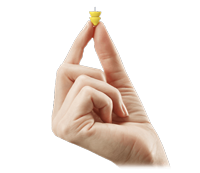
Earplugs and earmuffs are important tools—but only when used strategically.
If you wear protection everywhere, your brain can start treating normal sound as “too much,” which can increase sensitivity.
A simple rule of thumb
Use protection for truly loud situations (concerts, power tools, loud transit, sporting events).
Avoid constant protection in ordinary day-to-day settings unless your clinician specifically recommends it.
- Carry earplugs so you feel safe, but try not to default to them in every normal environment.
- Choose the lightest protection that works (sometimes filtered protection is better than total blocking).
- Plan exits in noisy spaces (step outside for 2 minutes) instead of “white-knuckling” indoors.
Sound enrichment you can start today
Many people with hyperacusis do better with a gentle baseline of sound rather than total quiet.
This isn’t about blasting noise—it’s about reducing the contrast between silence and sudden sound.
At home
Fan, air purifier, low music, or nature sounds at a comfortable level—especially during quiet times of day.
During stressful moments
If you feel yourself bracing, focus on steady breathing and soft background sound rather than shutting everything down.
On the go (Bay Area reality)
Have a plan for restaurants, open offices, Caltrain/BART, and busy streets: quieter timing, better seating, quick breaks.
If you’re unsure what “gentle” means
Gentle means “noticeable but not irritating.” If you find yourself tensing or counting the minutes, it’s too much.
The best level is the one you can repeat daily without spikes.
A simple gradual exposure plan (step-by-step)
This is a general framework—your plan should be tailored. The key is to increase tolerance
slowly and consistently, using exposures that are challenging but not painful.
- Pick 1–2 “starter sounds.” Choose sounds that are slightly uncomfortable but manageable (not painful).
- Keep the exposure short. Start with a duration you can complete calmly (often minutes, not hours).
- Repeat daily. Repeat the same exposure until it feels easier for several days in a row.
- Increase only one variable at a time. Either increase duration OR environment complexity OR volume—not all three.
- Track recovery time. A good exposure is one where you recover quickly and don’t feel “wrecked” afterward.
- Graduate to real-life settings. Example path: quiet café → slightly busier café → short restaurant visit → longer visit.
What “progress” usually looks like
Not “everything is quiet,” but “I can handle normal sound without bracing.” The goal is resilience and confidence.
If tinnitus is part of the picture
Your plan may need to manage the “quiet makes tinnitus loud” effect while still rebuilding sound tolerance.
If you’re stuck or worsening
If you’re getting frequent spikes or your world is shrinking, it’s time for a personalized plan and safety screening.
What to do after a spike
Spikes happen. The goal is to recover and return to your baseline plan—not to panic and restart from zero.
- Reduce sound temporarily, but avoid total silence for long periods if silence worsens tinnitus or anxiety.
- Use gentle background sound and keep your environment predictable for 24–48 hours.
- Scale back exposures to the last level that felt manageable, then rebuild gradually.
- Prioritize sleep and lower overall stress load (spikes are more common when you’re exhausted).
When to stop DIY and get help
If spikes are frequent, painful, or your tolerance is rapidly getting worse, schedule an evaluation.
You shouldn’t have to guess your way through this.
Next steps and related guides
Choose the page that matches your situation right now:
Hyperacusis overview
What sound sensitivity is, why it happens, and what treatment typically includes.
Tinnitus + hyperacusis
How to handle the “quiet makes tinnitus louder” issue while rebuilding sound tolerance.
When to seek help (red flags)
Symptoms that warrant urgent medical evaluation or prompt clinical screening.
Want a plan tailored to your triggers?
Hyperacusis looks different for everyone. We’ll help you identify your patterns, choose safe exposure steps,
and find the right balance of protection and sound exposure for your daily life.
If you’re in severe pain or have sudden hearing loss symptoms, seek urgent medical care.
Set Up Your FREE Hearing Consultation with an Expert Today
SEE A HEARING DOCTOR IN SAN MATEO
San Mateo – Main Office
88 N. San Mateo Drive
San Mateo, CA 94401
Phone: (650) 342-9449
Fax: (650) 342-4435