



Understanding Tinnitus Habituation
Understanding Tinnitus Habituation
Many people are told, “You’ll just get used to it.” Habituation is more than simply putting up with tinnitus—it’s
a real, measurable change in how your brain responds to the sound so it becomes less noticeable and less
distressing.
What Is Tinnitus Habituation?
Tinnitus habituation is the process where your brain gradually learns to treat tinnitus as an
unimportant background sound—similar to how you stop noticing a refrigerator hum, traffic outside, or an air
conditioner running.
With habituation:
- The tinnitus sound may still be present
- Your brain stops flagging it as “dangerous” or “urgent”
- You notice it less often and for shorter periods
- The emotional reaction (fear, anger, panic) decreases significantly
Many people eventually realize: “I still hear my tinnitus if I look for it, but most of the day I’m focused on
other things.” That shift—from constant monitoring to mostly ignoring—is the heart of habituation.
If you’re new to tinnitus, it may help to start with
What Is Tinnitus? and
Can Tinnitus Go Away on Its Own?.
How the Brain Learns to Tune Out Tinnitus
Your brain constantly filters sensory information. Most of what your ears hear never reaches conscious awareness
because your brain decides it isn’t important.
With tinnitus, two key systems are involved:
Auditory System
The inner ear and auditory pathways generate and transmit sound signals—including the internal signal we
perceive as tinnitus.
Auditory nerve
Limbic & Autonomic Systems
These areas process emotion, threat, and body arousal. If tinnitus is labeled as “dangerous” or “scary,” these
systems stay activated—and the sound feels front-and-center.
Fight-or-flight
Habituation occurs when:
- The auditory system continues to send the tinnitus signal
- The brain stops pairing that signal with alarm, danger, or urgency
- Your attention system stops checking the sound every few seconds
Approaches like Tinnitus Retraining Therapy (TRT),
Cognitive Behavioral Therapy (CBT), and
Sound Therapy are designed to help the brain make this shift more
predictably and gently.
Typical Stages of Habituation
Everyone’s journey is unique, but many patients describe a recognizable pattern over time:
1. Alarm & Hyperfocus
Tinnitus feels new, loud, and threatening. You listen for it constantly, search the internet, and worry about
what it means for your future.
2. Learning & First Tools
You understand more about what tinnitus is (and isn’t), start using sound therapy or coping strategies, and
see that some days or times are more manageable than others.
3. “Good Days / Bad Days” Phase
Tinnitus still bothers you, but you begin to notice pockets of time when it fades into the background—often
when you’re engaged in meaningful tasks or social activities.
4. Longer Periods of Not Noticing
You may go hours—or longer—without thinking about tinnitus. When you do notice it, the emotional reaction is
less intense and passes more quickly.
5. Stable Habituation
Tinnitus is still there if you search for it, but it rarely dominates your day. It becomes just one small part
of your life rather than the center of it.
Many of our patients recognize themselves somewhere between stages 2 and 4. If that’s you, you’re likely already
moving toward habituation—even if it doesn’t feel fast enough.
Common Myths About Habituation
Misunderstandings about habituation can create unnecessary fear. Here are a few myths we hear often:
“Habituation means giving up.”
In reality, habituation is an active process of helping your brain stop treating tinnitus as a threat. It’s
not resignation—it’s recovery of control and quality of life.
“If I habituate, I’ll ignore something dangerous.”
Before focusing on habituation, we rule out medically urgent causes and evaluate
tinnitus triggers. Once serious issues are excluded or treated, training your
brain to tune out tinnitus is safe and appropriate.
“Habituation is all in my head.”
Habituation does involve the brain—but so does all hearing. Therapy and sound tools work by changing
how real neural signals are processed, not by pretending tinnitus isn’t real.
“If my tinnitus gets louder, I’ve failed.”
Fluctuations are normal. Stress, sleep, diet, and noise exposure can all cause temporary spikes. Habituation
focuses on your reaction to those spikes, not eliminating all ups and downs.
If you notice frequent spikes, you may find
Why Is My Tinnitus Getting Louder? and
Stress and Tinnitus especially helpful.
What Helps or Hinders Habituation?
Several factors can speed up or slow down the habituation process:
Factors That Help
- Understanding tinnitus and ruling out serious conditions
- Using steady, comfortable sound therapy (not total silence)
- Addressing hearing loss with
hearing aids for tinnitus - Practicing CBT-style coping skills for anxious thoughts
- Supporting your nervous system with good sleep and relaxation
Factors That Hinder
- Constant “checking” on tinnitus throughout the day
- Endless online research that fuels fear and worst-case thinking
- Overprotection with earplugs in normal sound environments
- Untreated anxiety, depression, or severe sleep disruption
- Unmanaged contributors such as TMJ issues or
Meniere’s disease
For practical lifestyle ideas, see
Lifestyle & Diet Tips for Tinnitus,
Tinnitus Relief Exercises, and
Best Relaxation Techniques for Tinnitus Relief
.
Role of Treatment in Habituation
Habituation can happen naturally over time, but structured treatment often makes the process smoother and faster.
Common tools include:
-
Sound Therapy: Gentle background sound, sound generators, or
tinnitus relief apps reduce the contrast between tinnitus and silence, making it
easier for your brain to down-rank the signal.
See Sound Therapy for Tinnitus. -
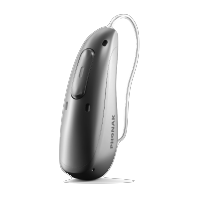
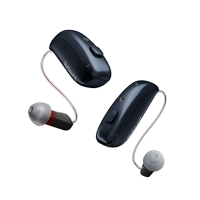
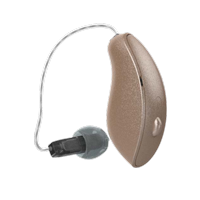
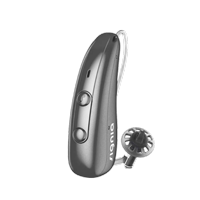
Hearing Aids (when hearing loss is present): Restoring missing sound input helps reduce tinnitus
prominence and supports habituation. Learn more at
Hearing Aids for Tinnitus and
Can Hearing Aids Help with Tinnitus?
. -
CBT-Informed Counseling:
Cognitive Behavioral Therapy (CBT) helps you work with
thoughts like “this sound is unbearable” and reduce the emotional weight of tinnitus. -
Tinnitus Retraining Therapy (TRT):
TRT combines sound therapy with structured counseling to
intentionally guide habituation at both the auditory and emotional levels. -
Anxiety & Sleep Support:
Coping with Tinnitus Anxiety and
Managing Tinnitus at Night focus on areas that strongly influence
habituation progress.
For a big-picture view of options, visit
Comprehensive Tinnitus Treatment Options and
Tinnitus Patient Success Stories.
How Long Does Habituation Take?
There’s no single timeline, but many people notice meaningful improvement over
months rather than days. It’s common to see:
- First signs of easier days within several weeks of consistent strategies
- More frequent “good days” over 3–6 months
- More stable habituation patterns over 6–18 months
Flare-ups during stress, illness, travel, or sleep disruption are normal—even after considerable progress. The
key is how quickly you can return to your baseline, using tools you’ve practiced ahead of time.
If your tinnitus has changed suddenly, or if you’re not sure whether to wait or seek urgent care, see:
- When to See a Doctor About Tinnitus
- Sudden Tinnitus: Should I Go to the ER?
- Is My Tinnitus Permanent?
Self-Check: Are You Already Habituating?
Many patients are further along than they realize. Ask yourself:
Even a few seconds or minutes count—that’s your brain showing it can shift attention away from the
sound.
A drop from panic to frustration is still real progress. Habituation is often a series of small emotional
steps.
Working, socializing, exercising, or enjoying hobbies—even with some discomfort—means you’re teaching your
brain that life is larger than tinnitus.
Using background sound, relaxation, or reframing thoughts (even imperfectly) is a core part of the
habituation process.
Our Tinnitus Severity Assessment can help you track changes over time so you
can see progress that might feel subtle day-to-day.
Habituation for Bay Area Patients
In the San Francisco Bay Area, we often work with people whose lives are already full—demanding jobs, commutes,
family responsibilities, and constant digital noise. This can make tinnitus feel even more overwhelming at first.
At the same time, that same busy, meaningful life becomes a powerful ally in habituation: the more your attention
is engaged in valued activities, the less space tinnitus has to dominate.
We regularly see patients from:
- San Mateo and San Carlos
- Palo Alto, Atherton, and Los Altos
- San Francisco, the East Bay, and the South Bay
For more location-specific tinnitus information, explore:
- Peninsula Tinnitus Treatment
- San Francisco Tinnitus Treatment
- East Bay – Oakland & Berkeley
- South Bay & San Jose Tinnitus Treatment
- Bay Area Tinnitus Support Groups
Next Steps with California Hearing Center
If you’re wondering whether habituation is possible for you, we’re here to help you:
- Understand what’s driving your tinnitus and how severe it is
- Rule out (or address) underlying ear and medical contributors
- Choose treatment tools that support habituation, not just short-term distraction
- Build a realistic, step-by-step plan that fits your life in the Bay Area
Before your visit, you might find these pages especially helpful:
Set Up Your FREE Hearing Consultation with an Expert Today
SEE A HEARING DOCTOR IN SAN MATEO
San Mateo – Main Office
88 N. San Mateo Drive
San Mateo, CA 94401
Phone: (650) 342-9449
Fax: (650) 342-4435