



What is Pulsatile Tinnitus?
What Is Pulsatile Tinnitus?
Hear a rhythmic whooshing, thumping, or heartbeat sound in your ear? That pattern—especially if it matches your
pulse—is called pulsatile tinnitus, and it deserves careful attention.
What Is Pulsatile Tinnitus?
Pulsatile tinnitus is a type of tinnitus where the sound has a rhythm—most often a
whooshing, thumping, or heartbeat-like pattern that seems to keep time with your pulse.
Many people notice it more when lying down, after exercise, or in a quiet room.
Instead of a steady ringing or buzzing, pulsatile tinnitus often feels like:
- A heartbeat in the ear
- A whoosh or “swoosh” that pulses
- A soft drumbeat or thump that speeds up or slows down with your heart rate
Because pulsatile tinnitus is often related to blood flow (vascular) changes near the ear or
skull, it is one of the few types of tinnitus that may have a directly identifiable physical source.
That’s why doctors and audiologists take it seriously and usually recommend medical evaluation.
If the sound in your ear matches your heartbeat or changes clearly with your pulse, it’s
important to mention “pulsatile tinnitus” specifically to your doctor and audiologist. This detail helps direct
the right workup.
How Is Pulsatile Tinnitus Different from “Regular” Tinnitus?
Typical tinnitus is usually:
- Continuous or fluctuating, but not rhythmic
- Described as ringing, hissing, buzzing, roaring, or static
- Often related to hearing loss and inner ear changes
Pulsatile tinnitus, in contrast:
- Has a clear rhythm or beat, often in sync with the heart
- Is more likely to be linked to vascular or structural factors near the ear or skull
- May sometimes be audible to a clinician using a stethoscope (objective tinnitus)
Both types can be very distressing and can occur together. For a broad overview of other tinnitus sounds, visit
Types of Tinnitus Sounds and
What Is Tinnitus?.
Common Causes & Possible Sources
Pulsatile tinnitus is a symptom, not a diagnosis. It can arise from many different conditions,
some relatively benign and some more serious. Only a medical workup can identify the cause in your specific case,
but common categories include:
Changes in Blood Flow Near the Ear
Turbulent blood flow in vessels near the ear or skull can create a pulse-synchronous sound that you perceive
as whooshing or thumping. This may be related to vessel narrowing, looping, or other structural changes.
Nearby vessels
Elevated Blood Pressure or Cardiovascular Changes
High blood pressure, anemia, or changes in blood volume and flow can sometimes make vascular sounds more
noticeable, especially when lying down or after exertion.
Circulation
Vessel Abnormalities or Malformations
Certain conditions involving blood vessels—such as dural arteriovenous fistulas, aneurysms, or other
malformations—can create pulsatile tinnitus. These are typically evaluated with imaging ordered by a
physician and require medical guidance.
Aneurysm
Middle Ear or Eustachian Tube Issues
Abnormal blood vessels in the middle ear, middle ear tumors (such as glomus tumors), or Eustachian tube
problems can sometimes cause pulsatile tinnitus. A careful ear exam and imaging help identify these causes.
Middle ear
Intracranial Pressure Changes
Conditions that affect pressure inside the skull—such as idiopathic intracranial hypertension—can be
associated with pulsatile tinnitus, often along with headaches and visual symptoms.
Headaches
General Vascular Risk Factors
Smoking, elevated cholesterol, diabetes, and other factors that affect blood vessels and circulation can
sometimes play a role in pulsatile tinnitus. Management often involves collaboration between primary care,
cardiology, and ENT/neurology as needed.
Metabolic factors
Keep in mind that some causes are treatable or reversible, while others may be managed over time.
The first priority is to make sure nothing serious is missed. For a broader view of underlying issues, see
Tinnitus Causes & Triggers.
When Pulsatile Tinnitus Is a Red Flag
- Pulsatile tinnitus starts suddenly, especially in one ear
- The sound is accompanied by new hearing loss, dizziness, or balance problems
- You notice vision changes, double vision, or frequent severe headaches
- You have weakness, numbness, or facial drooping
- Pulsatile tinnitus follows a head or neck injury
- You have a history of stroke, aneurysm, or significant vascular disease
These symptoms do not automatically mean something serious is happening, but they can be signs of conditions that
require prompt medical evaluation. If you are unsure, err on the side of calling your doctor, an advice nurse, or
emergency services.
For additional guidance on urgent vs. non-urgent situations, read
When to See a Doctor About Tinnitus and
Sudden Tinnitus: Should I Go to the ER?.
How Pulsatile Tinnitus Is Evaluated
Evaluating pulsatile tinnitus is often a team effort involving medical providers and
audiologists. A typical pathway may include:
1. Medical History & Symptom Review
Your provider will ask when the sound started, whether it is in one ear or both, what it sounds like, what
makes it better or worse, and whether it changes with head position, exercise, or pressure on the neck.
2. Physical & Ear Examination
The ears, head, neck, and sometimes eyes and neurological function are examined. In some cases, a clinician
may hear the pulsatile sound with a stethoscope (objective tinnitus).
3. Comprehensive Hearing Tests
An audiologist performs a full hearing evaluation to check for hearing loss, asymmetry between ears, and
middle ear issues. This also helps determine whether other tinnitus types are present.
Learn more in What to Expect at Your Tinnitus Appointment.
4. Imaging & Additional Testing (Ordered by Physicians)
Depending on your case, your physician or ENT may order imaging such as MRI, CT, MR angiography (MRA), or CT
angiography (CTA) to look at blood vessels and structures near the ear. Blood work or blood pressure
evaluation may also be part of the workup.
5. Collaborative Plan
Once serious conditions are ruled out or appropriately managed, your team can focus on reducing how much
pulsatile tinnitus impacts your daily life—often using some of the same strategies as other tinnitus types,
adapted to your specific situation.
At California Hearing Center, our audiologists coordinate closely with your physicians to ensure your tinnitus
evaluation and treatment plan are aligned. For a broader view of options, see
Comprehensive Tinnitus Treatment Options.
Treatment & Management Approaches
Treatment depends heavily on the underlying cause. In some cases, addressing the medical condition (for example,
blood pressure management or treating a middle ear issue) can significantly improve or even resolve pulsatile
tinnitus.
When pulsatile tinnitus persists or remains bothersome, many of the same tools used for non-pulsatile tinnitus can
help reduce its impact:
-
Sound therapy: Gentle background sound, sound machines, or specialized tinnitus devices can
help mask or reduce awareness of the pulsatile sound. Learn more in
Sound Therapy and
Best Tinnitus Relief Apps. -
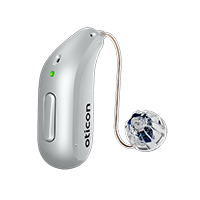
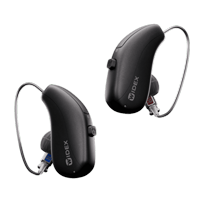
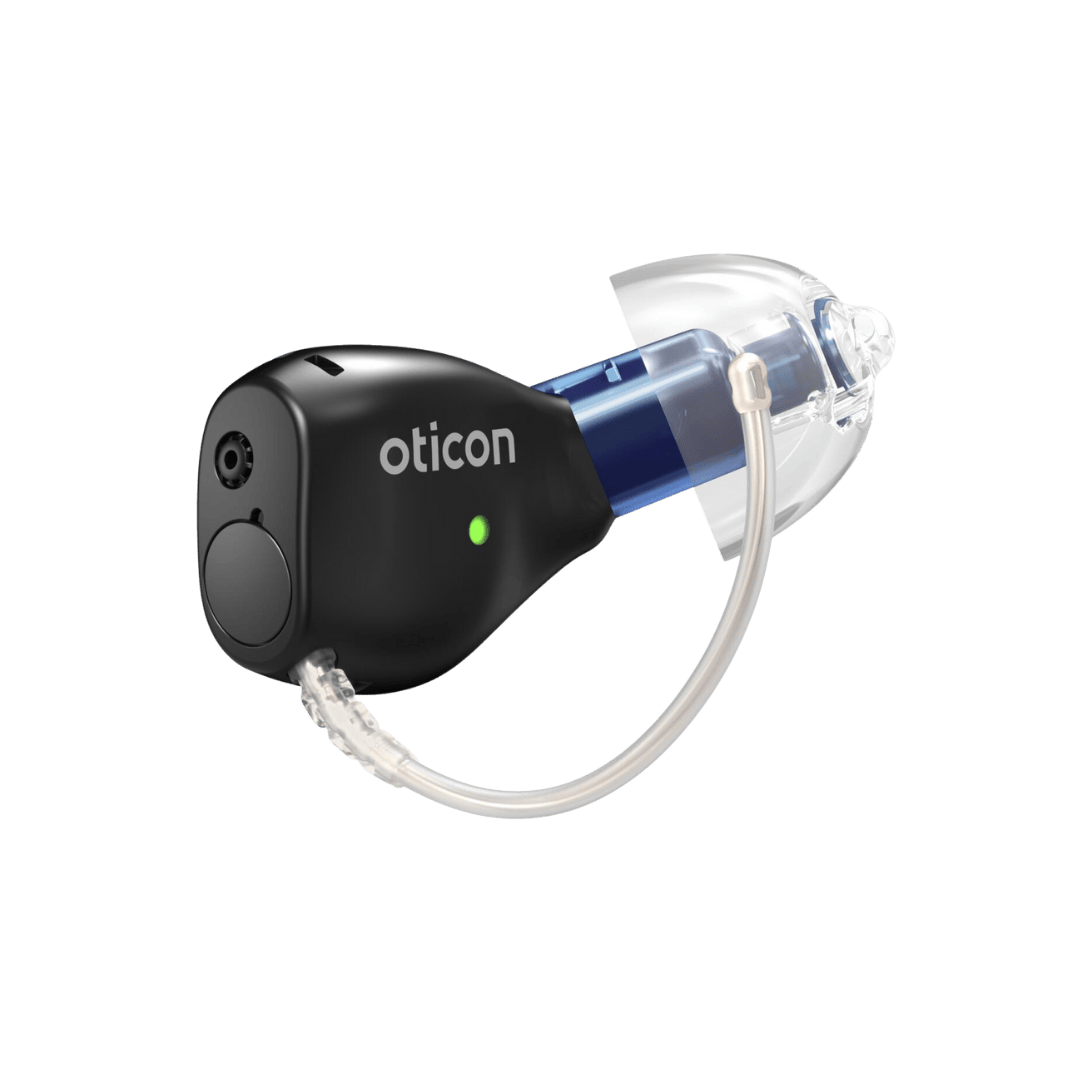
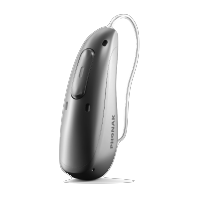
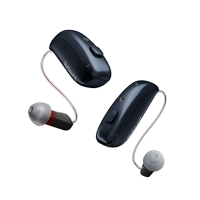
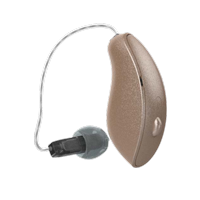
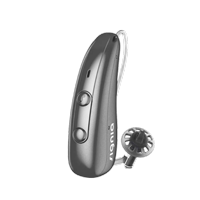
Hearing aids: If hearing loss is present, appropriately fit
hearing aids for tinnitus can increase external sound and decrease
contrast with the pulsatile noise. -
Tinnitus Retraining Therapy (TRT): Combines sound therapy with structured counseling to help
the brain reclassify tinnitus as a neutral background signal over time.
See Tinnitus Retraining Therapy (TRT). -
CBT-informed counseling: Cognitive Behavioral Therapy (CBT) techniques can reduce fear and
catastrophic thinking around pulsatile tinnitus, lowering distress and improving coping.
See CBT for Tinnitus and
Coping with Tinnitus Anxiety. -
Lifestyle adjustments: Supporting vascular and overall health—through movement, nutrition,
sleep, and stress-reduction—can be part of a long-term strategy. Explore
Lifestyle & Diet Tips for Tinnitus.
While not every case of pulsatile tinnitus is fully “curable,” many people experience meaningful improvements in
loudness, intrusiveness, and quality of life with the right combination of medical care and tinnitus management
tools. For real-world examples, see Tinnitus Patient Success Stories.
What You Can Do Right Now
While you’re arranging medical and audiology follow-up, these steps may help you feel calmer and more in control:
-
Document your symptoms: Note when the pulsatile sound started, which ear is affected, what it
sounds like, and whether it changes with position, exercise, or pressure on the neck. This will help your
providers. -
Support foundational health: Stay hydrated, try to get consistent sleep, and follow your
physician’s guidance on blood pressure, cholesterol, and other risk factors. -
Add gentle background sound: Use a fan, white noise machine, or soft music to reduce the
contrast between pulsatile tinnitus and silence—especially at night. See
Managing Tinnitus at Night. -
Practice nervous system “downshifts”: Slow breathing, guided relaxation, or light stretching
can reduce the stress response that magnifies tinnitus. Try ideas from
Best Relaxation Techniques for Tinnitus Relief
. -
Be mindful with caffeine and alcohol: If you notice a pattern where coffee, energy drinks, or
alcohol make your pulsatile tinnitus more noticeable, consider moderating intake. Helpful reads:
Does Caffeine Affect Tinnitus?
and
Could Drinking Alcohol Affect Your Hearing?.
Pulsatile Tinnitus in Bay Area Patients
In the San Francisco Bay Area, we see pulsatile tinnitus in a wide range of patients—from busy professionals to
retirees. Many have additional factors such as:
- Stressful, high-demand work (tech, healthcare, finance, law)
- Long commutes and sleep disruption
- Existing vascular risk factors or blood pressure concerns
- Coexisting non-pulsatile tinnitus or hearing loss
If you live in the region, you might also explore our local tinnitus pages:
San Francisco Tinnitus Treatment,
East Bay – Oakland & Berkeley,
South Bay & San Jose, and
Peninsula Tinnitus Treatment.
Next Steps with California Hearing Center
If you’ve been told your pulsatile tinnitus is medically stable—or you’re still in the process of evaluation—our
audiology team can:
- Review your tinnitus and hearing history in detail
- Perform a comprehensive hearing evaluation and tinnitus assessment
- Coordinate with your physicians to ensure testing and treatment plans align
- Recommend technology, sound therapy, and counseling options to reduce your day-to-day burden
Before your appointment, you may find it helpful to review:
Set Up Your FREE Hearing Consultation with an Expert Today
SEE A HEARING DOCTOR IN SAN MATEO
San Mateo – Main Office
88 N. San Mateo Drive
San Mateo, CA 94401
Phone: (650) 342-9449
Fax: (650) 342-4435