



Patient Success Stories
Patient Tinnitus Success Stories
Tinnitus can feel isolating—until you meet people who have been where you are now. The stories on this page are
based on real experiences from patients at California Hearing Center and illustrate what’s possible with the right
diagnosis, technology, and support.
Can Tinnitus Treatment Really Help?
When people first come to our Bay Area clinics in San Mateo and San Carlos, many have already heard, “There’s
nothing you can do—just live with it.” Our day-to-day experience says otherwise.
While there is no universal cure, patients often experience:
- Lower tinnitus loudness or sharpness
- Less panic and fear about the sound
- Better sleep and concentration
- Improved hearing and communication
- A sense of control instead of helplessness
To see how these outcomes connect to treatment tools, visit
Comprehensive Tinnitus Treatment Options and
Tinnitus and Hearing Loss.
Tinnitus success rarely means “I never hear it again.” More often, it sounds like “I still notice it sometimes,
but it no longer controls my life.” This shift—called
tinnitus habituation—is what we aim for with each personalized plan.
Results Our Patients Commonly Report
Every ear and brain is different, so there is no guaranteed outcome. But among patients who follow a plan that may
include hearing technology, sound therapy, and counseling, we frequently hear comments like:
You can explore related how-to guides in:
Managing Tinnitus at Night,
Coping with Tinnitus Anxiety, and
Lifestyle & Diet Tips for Tinnitus.
Stories: Tinnitus & Hearing Aids
“I can finally follow conversations again.”
A Bay Area software engineer in his 50s came in with constant high-pitched ringing and difficulty hearing
colleagues on video calls. He assumed the problem was “just tinnitus” until testing revealed a high-frequency
hearing loss in both ears.
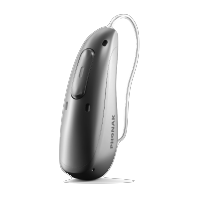
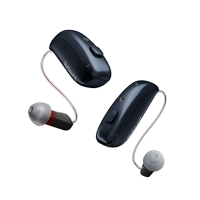
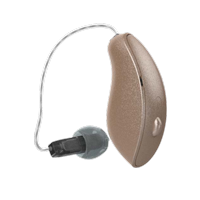
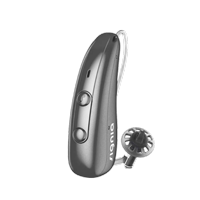
After a trial with tinnitus-friendly hearing aids—and some fine-tuning of the sound therapy programs—he
reported that the ringing was still present but “way less in my face,” and he no longer had to guess through
conversations.
“The sound isn’t gone, but it doesn’t bother me like before.”
A retired teacher in her 70s from the Peninsula had lived with tinnitus for years. She thought nothing could
help until family encouraged her to come in after noticing she was missing parts of conversations.
With the right hearing aids and a simple home sound therapy routine, she described her tinnitus as “background
noise” instead of a constant threat. She felt more comfortable going to family gatherings again.
now than just the noise.”
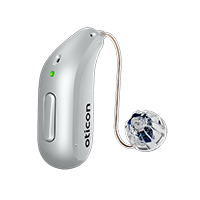
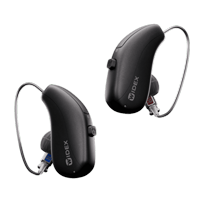
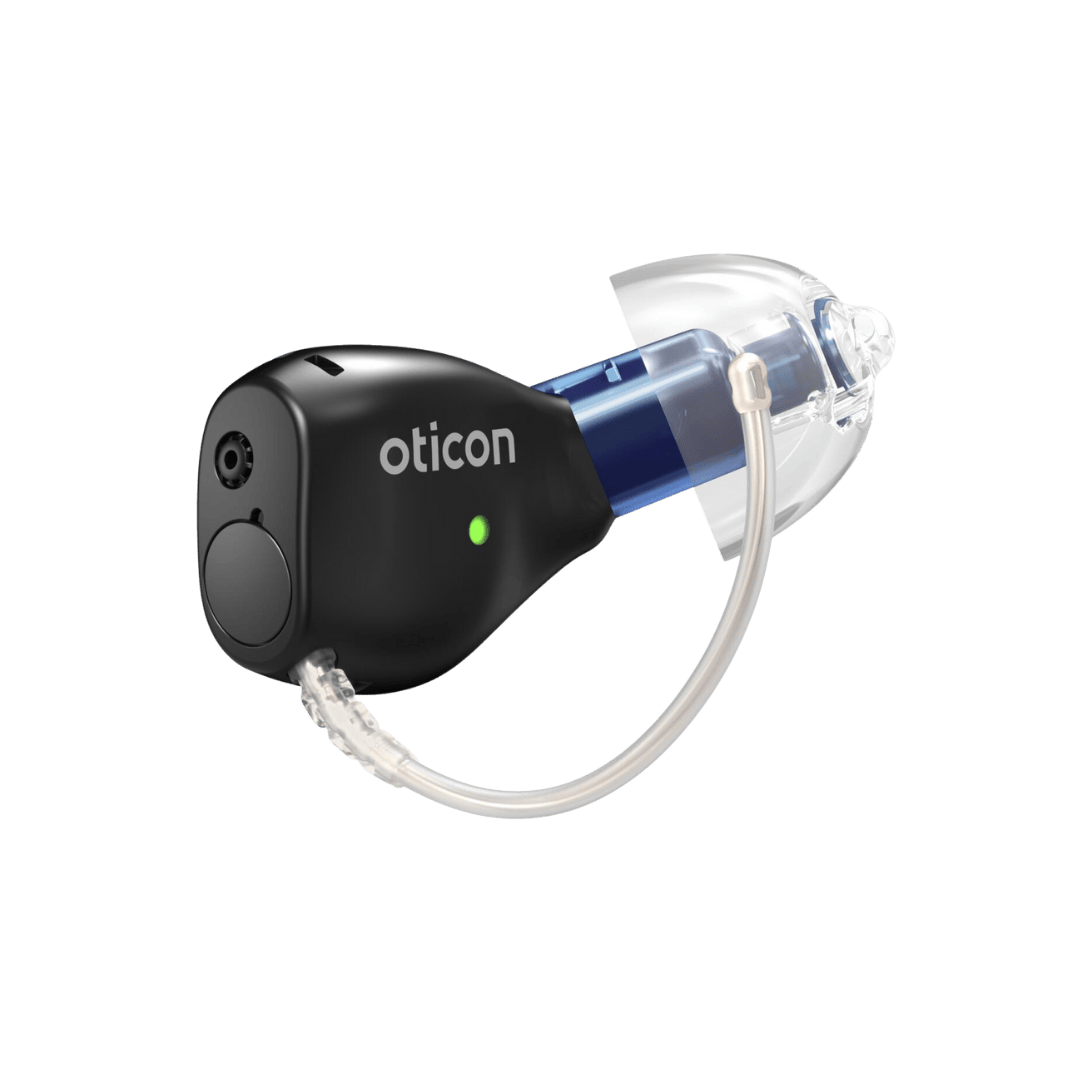
If you’re wondering whether amplification could help you, review
Hearing Aids for Tinnitus and our brand overview:
Hearing Aids by Brand.
You can also read about fit and comfort in
Sleeping with Hearing Aids: Everything You Need to Know
.
Stories: Sound Therapy, CBT & TRT
“Sound therapy helped my brain stop chasing the ringing.”
A musician in his 40s from San Francisco came to us after years of concerts and studio work. He was terrified
that sound therapy or hearing aids would “ruin” his ability to enjoy music.
After gentle counseling and a custom sound therapy program focused on low-level, non-intrusive sounds, he was
surprised to find he enjoyed music again—and his brain didn’t lock onto the tinnitus as quickly in quiet
rooms.
“CBT gave me tools to handle the bad days.”
A healthcare worker in her 30s developed tinnitus after a period of high stress and poor sleep. The sound
made her feel panicky, especially at night, and she worried it would impact her ability to do her job.
With a combination of CBT for tinnitus, sound therapy,
and anxiety management strategies, she reported fewer “spiral” moments and more confidence in getting through
spikes.
passes.’ That alone changed my life.”
For a deeper look at these tools, explore:
Sound Therapy for Tinnitus,
Coping with Tinnitus Anxiety, and
Best Relaxation Techniques for Tinnitus Relief in Hillsborough
.
Stories: Sleep & Anxiety Improvements
“I went from dreading bedtime to actually sleeping.”
A parent in their 40s from the Peninsula dreaded going to bed because tinnitus felt louder in a quiet room.
They would scroll online, searching for cures, and sleep only a few hours each night.
Working with our team, they implemented a consistent sound-rich bedtime routine, gentle relaxation exercises,
and a plan for handling spikes. Within a few weeks, they were sleeping longer stretches and no longer feared
lying down at night.
“My spikes are still there, but they don’t derail my day.”
A young professional in San Francisco noticed that stress at work made tinnitus seem much louder. On bad days,
they cancelled plans and avoided social events because they were afraid of making it worse.
After learning about the stress-tinnitus loop in
Can Stress Make Tinnitus Worse?
and practicing practical coping techniques, they still had occasional spikes—but reported that they felt
prepared, not helpless.
If sleep and anxiety are your biggest pain points, start with:
- Managing Tinnitus at Night
- Coping with Tinnitus Anxiety
- Tinnitus Relief Exercises
- Lifestyle & Diet Tips for Tinnitus
Bay Area Patients We Often See
Because we serve the broader San Francisco Bay Area, we see a wide range of patients, including:
- Tech workers who use headphones all day or work in open-plan offices
- Musicians, DJs, and concert-goers exposed to loud sound
- Construction and trades professionals working around machinery and tools
- Veterans, first responders, and others with a history of loud noise exposure
- Older adults who developed tinnitus with age-related hearing changes
Wherever you are in your tinnitus journey—just noticing it for the first time or living with it for years—the
first step is understanding what’s driving your symptoms. Learn what happens at your first visit in
What to Expect at Your Tinnitus Appointment.
Frequently Asked Questions About Tinnitus Success
It varies. Some people notice relief quickly once hearing loss, earwax, or a clear medical issue is addressed.
For chronic tinnitus, meaningful change often happens gradually over weeks to months as the brain adapts and
you build habits around sound, sleep, and stress. The process of
tinnitus habituation is measured in time and consistency, not days.
Not everyone experiences the same level of change, but most patients who engage in a structured plan report
some level of improvement in distress, sleep, or daily function. Our goal is always honest guidance—if a
particular option isn’t likely to help you, we’ll say so and focus on what is more promising.
These stories are useful for inspiration, but they’re not a do-it-yourself treatment guide. The best results
come from a plan built around your hearing test, tinnitus type, health history, and goals. Start by reviewing
Tinnitus Severity Assessment and
Tinnitus Treatment Options, then schedule an appointment.
Next Steps: From Stories to Your Plan
Reading success stories is a powerful first step—it shows you’re not alone and that improvement is possible. The
next step is turning that hope into a plan tailored to your ears, brain, and life.
Helpful pages to review next:
Set Up Your FREE Hearing Consultation with an Expert Today
SEE A HEARING DOCTOR IN SAN MATEO
San Mateo – Main Office
88 N. San Mateo Drive
San Mateo, CA 94401
Phone: (650) 342-9449
Fax: (650) 342-4435