



Lifestyle & Diet Tips
Lifestyle & Diet Tips for Tinnitus
There is no magic food or supplement that “cures” tinnitus. But everyday choices—sleep, stress, caffeine, alcohol,
movement, and sound exposure—can influence how loud or bothersome tinnitus feels. Small, sustainable changes can
add up to fewer spikes and calmer days.
The Big Picture: What Lifestyle Can (and Can’t) Do
It’s natural to ask, “What should I eat—or avoid—so this ringing goes away?” While lifestyle and diet rarely
eliminate tinnitus completely, they can:
- Reduce how often tinnitus spikes
- Lower overall stress and reactivity to the sound
- Support better sleep, mood, and energy
- Protect your hearing and prevent further damage
No single food, drink, or supplement has been proven to cure tinnitus. But many patients notice they feel better
when they support their body with good sleep, balanced nutrition, stress management, and hearing protection—
especially when combined with treatments like
sound therapy,
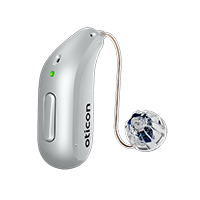
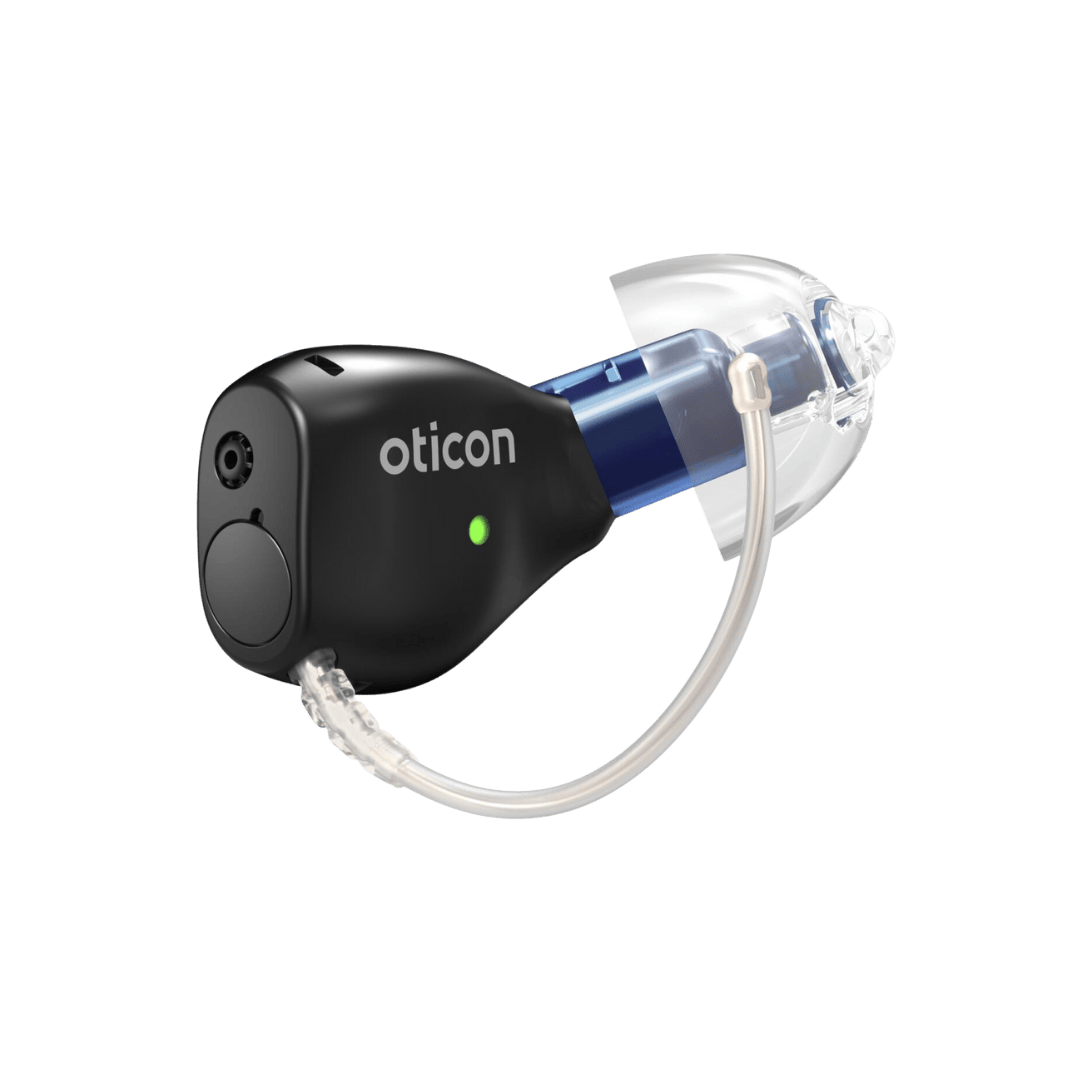
hearing aids for tinnitus, or
TRT.
For background on causes and medical conditions that can influence tinnitus, see
Tinnitus Causes & Triggers and
What Is Tinnitus?.
Caffeine, Alcohol & Common Triggers
Two of the most common questions we hear: “Does caffeine make tinnitus worse?” and “Is alcohol bad for my ears?”
The answer is often: it depends on your body.
Caffeine
Some people notice temporary spikes after coffee, tea, energy drinks, or chocolate. Others don’t notice any
change—or even feel worse when they suddenly stop caffeine. Our article
Does Caffeine Affect Tinnitus? Research for Burlingame Patients
reviews what studies suggest and how to test your own response safely.
Alcohol
Alcohol can affect blood flow, fluid balance, and sleep quality, all of which may influence tinnitus. Learn
more in
Could Drinking Alcohol Affect Your Hearing?
and notice how your tinnitus behaves on days with and without alcohol.
Sodium & Processed Foods
High-sodium diets can worsen symptoms for some inner ear conditions (like Meniere’s disease) and may
contribute to fluid changes in the ear. Limiting heavily processed, salty foods is generally good for both
heart and ear health.
Instead of cutting everything at once, we often recommend:
- Changing one variable at a time (e.g., gradually reducing caffeine over 1–2 weeks)
- Keeping a simple symptom journal for tinnitus loudness, sleep, and mood
- Sharing patterns with your provider during a
Tinnitus Severity Assessment review
Always talk with your physician before making big changes to caffeine, alcohol, or diet—especially if you have
medical conditions, low blood pressure, or take regular medications.
Diet Ideas That Support Ear & Brain Health
There is no single “tinnitus diet,” but patterns that support heart, blood vessel, and brain health
are also helpful for the auditory system. In general:
- Plenty of colorful fruits and vegetables (antioxidants)
- Lean proteins (fish, poultry, beans, lentils)
- Healthy fats (olive oil, nuts, seeds, avocado)
- Whole grains instead of refined carbohydrates
- Limited added sugar and highly processed foods
These principles align with broader hearing-protection advice in
Simple Steps to Protect and Preserve Your Hearing
.
Hydration
Staying well-hydrated supports circulation and can help some people feel more stable, especially if they have
dizziness or fluctuating symptoms.
Blood Sugar Balance
Very large swings in blood sugar (skipping meals, heavy sugary snacks) can increase jitters and anxiety,
which may make tinnitus feel more intrusive.
Individual Sensitivity
Some people find that certain foods (very salty meals, highly processed snacks, large late dinners) correlate
with tinnitus flares. A short-term food and symptom diary can help uncover patterns.
If you live with conditions like Meniere’s disease, TMJ, or migraine, additional dietary adjustments may be helpful.
See Meniere’s Disease and Tinnitus and
TMJ and Tinnitus Connection for more context.
Stress, Sleep & Relaxation
Lifestyle for tinnitus is not just about what you eat. Stress and sleep are often bigger drivers
of how loud tinnitus feels day to day.
Stress Management
Stress hormones keep your nervous system on high alert. Our article
Can Stress Make Tinnitus Worse?
explains how stress can amplify tinnitus—and why stress reduction is part of treatment, not a side note.
Relaxation Tools
Breathing exercises, progressive muscle relaxation, and gentle stretching can all help calm the body. Try the
techniques outlined in
Best Relaxation Techniques for Tinnitus Relief in Hillsborough
.
Sleep Hygiene
A consistent bedtime, a wind-down routine, and a sound-rich sleep environment can reduce night-time spikes.
See Managing Tinnitus at Night for a detailed step-by-step guide.
For many people, working on Coping with Tinnitus Anxiety and sleep in
parallel with diet changes creates the biggest improvements in quality of life.
Noise Protection & Everyday Sound Habits
One of the most powerful “lifestyle” choices you can make is how you treat your ears in loud environments. Ongoing
noise exposure can worsen both hearing and tinnitus over time.
- Use earplugs or musician’s plugs at concerts, clubs, sporting events, or loud restaurants
- Turn down the volume on headphones—especially for long listening sessions
- Take “quiet breaks” from loud sound during the day
- Be cautious with power tools, yard equipment, or loud machinery
For a simple overview of good habits, revisit
Simple Steps to Protect and Preserve Your Hearing
.
While protection is important in loud settings, wearing earplugs all the time in normal
environments can backfire by making your auditory system even more sensitive. A tinnitus-focused audiologist can
help you find the right balance.
Movement, Exercise & Blood Flow
Regular physical activity supports cardiovascular health, mood, and sleep—all of which can indirectly improve how
you experience tinnitus.
- Aim for gentle, consistent movement most days (walking, cycling, swimming, yoga)
- Include light strength training 2–3 times per week if approved by your physician
- Use movement as a tool to reset when anxiety or tinnitus spikes
Exercises that relax the neck, jaw, and shoulders may be especially helpful if your tinnitus changes when you move
your jaw or head. See Tinnitus Relief Exercises and
TMJ and Tinnitus Connection for more detail.
Putting It Together: A Simple Daily Plan
You don’t need a perfect routine. Start with one or two realistic changes and build from there. Here’s a sample
“tinnitus-friendly” day:
Morning
Hydrate, eat a balanced breakfast (protein + complex carbs), and keep caffeine moderate. Use gentle background
sound while you get ready instead of complete silence.
Midday
Take a short walk or stretch break, especially if stress or tinnitus is building. Avoid skipping lunch to keep
blood sugar stable.
Evening
Be mindful of alcohol and very heavy, late meals. Use relaxed activities instead of intense doomscrolling
about tinnitus. Try relaxation practices from
Best Relaxation Techniques for Tinnitus Relief in Hillsborough
.
Night
Follow a consistent wind-down routine and use a sound machine or app as described in
Managing Tinnitus at Night. If anxiety spikes, see
Coping with Tinnitus Anxiety for additional tools.
To see how much tinnitus is affecting your life right now, many patients find the
Tinnitus Severity Assessment helpful as a starting point.
Frequently Asked Questions About Lifestyle & Tinnitus
No specific diet has been proven to cure tinnitus. However, eating in a way that supports cardiovascular and
brain health—similar to a Mediterranean-style pattern—may support better overall function and help reduce
tinnitus-related distress when combined with other treatments.
Not always. Some people are more sensitive to caffeine than others. Instead of quitting abruptly, we usually
suggest reviewing
Does Caffeine Affect Tinnitus?
and then testing gradual changes while tracking your symptoms—and always checking with your physician first.
Lifestyle changes are a powerful support, but they rarely replace a full tinnitus evaluation
and structured treatment plan. For many people, the best results come from combining lifestyle changes with
tools like sound therapy,
hearing aids, or
CBT for tinnitus.
Keeping a short daily log of sleep, stress, diet, and tinnitus loudness for 1–2 weeks can reveal patterns.
Bring this log to your tinnitus appointment—we’ll review it alongside a full
hearing evaluation and
Tinnitus Severity Assessment.
Next Steps with Our Tinnitus Team
Lifestyle and diet changes work best as part of a broader plan. Our tinnitus-focused audiologists can help you
understand:
- What’s driving your tinnitus and how severe it is
- Which lifestyle changes are most realistic and impactful for you
- How to combine lifestyle shifts with
treatment options like sound therapy, hearing aids, CBT, TRT, or Lenire® - When to involve other providers (ENT, primary care, mental health)
You can also explore:
Set Up Your FREE Hearing Consultation with an Expert Today
SEE A HEARING DOCTOR IN SAN MATEO
San Mateo – Main Office
88 N. San Mateo Drive
San Mateo, CA 94401
Phone: (650) 342-9449
Fax: (650) 342-4435